
Last updated October 31, 2026
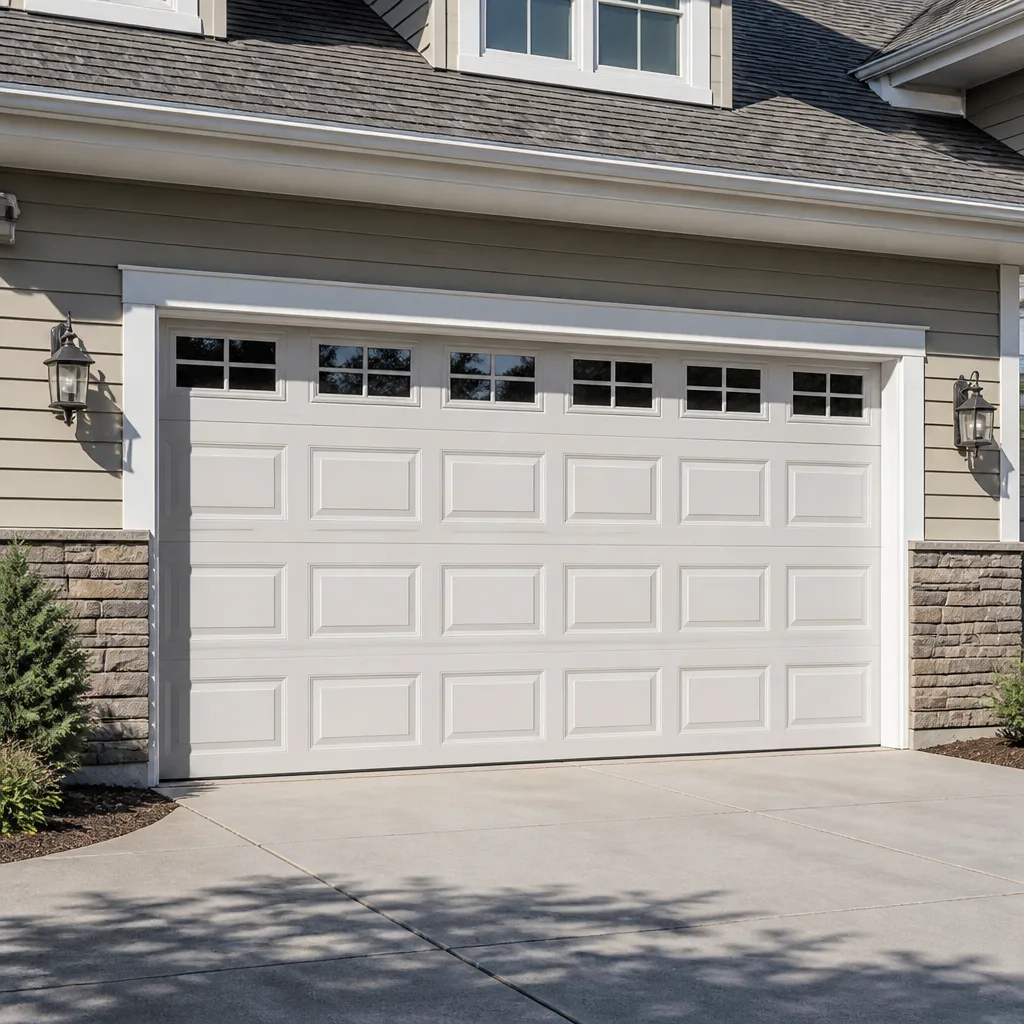 Raised-panel steel
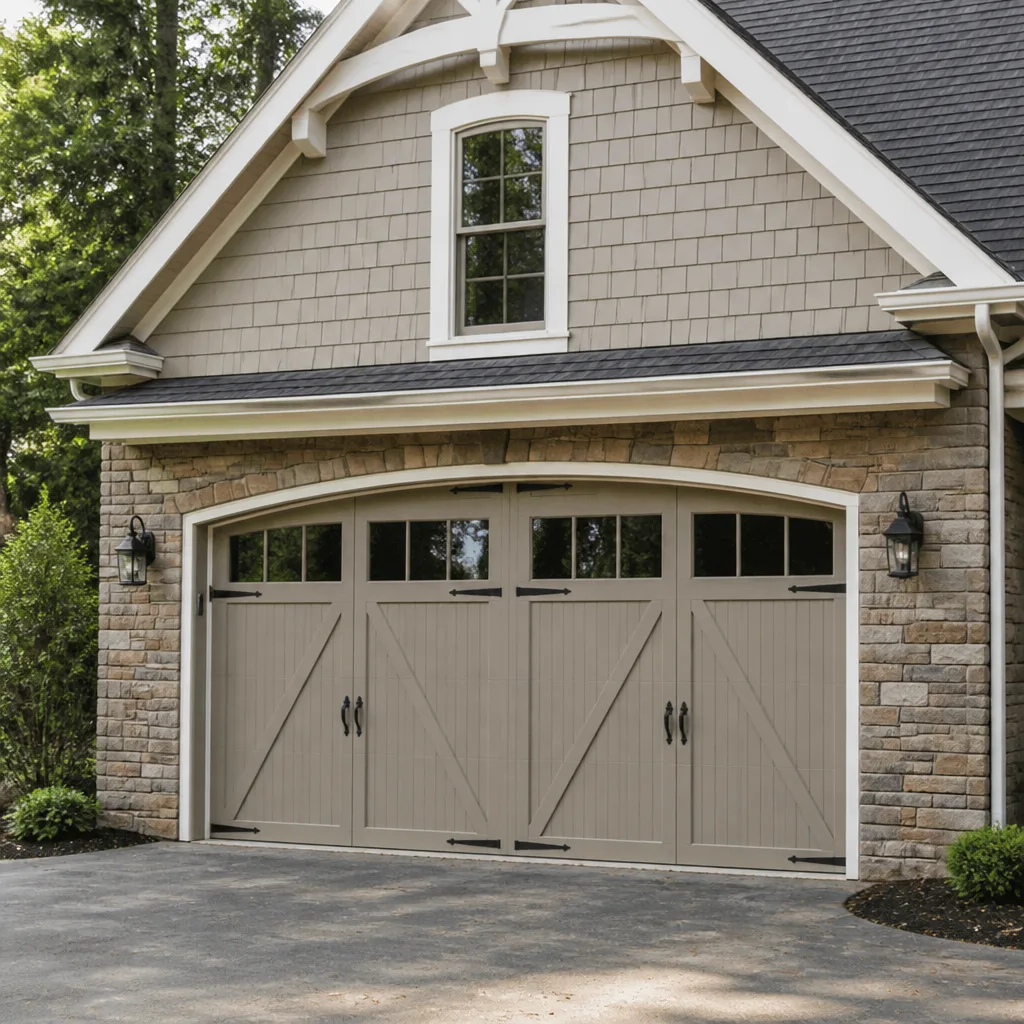 Carriage house
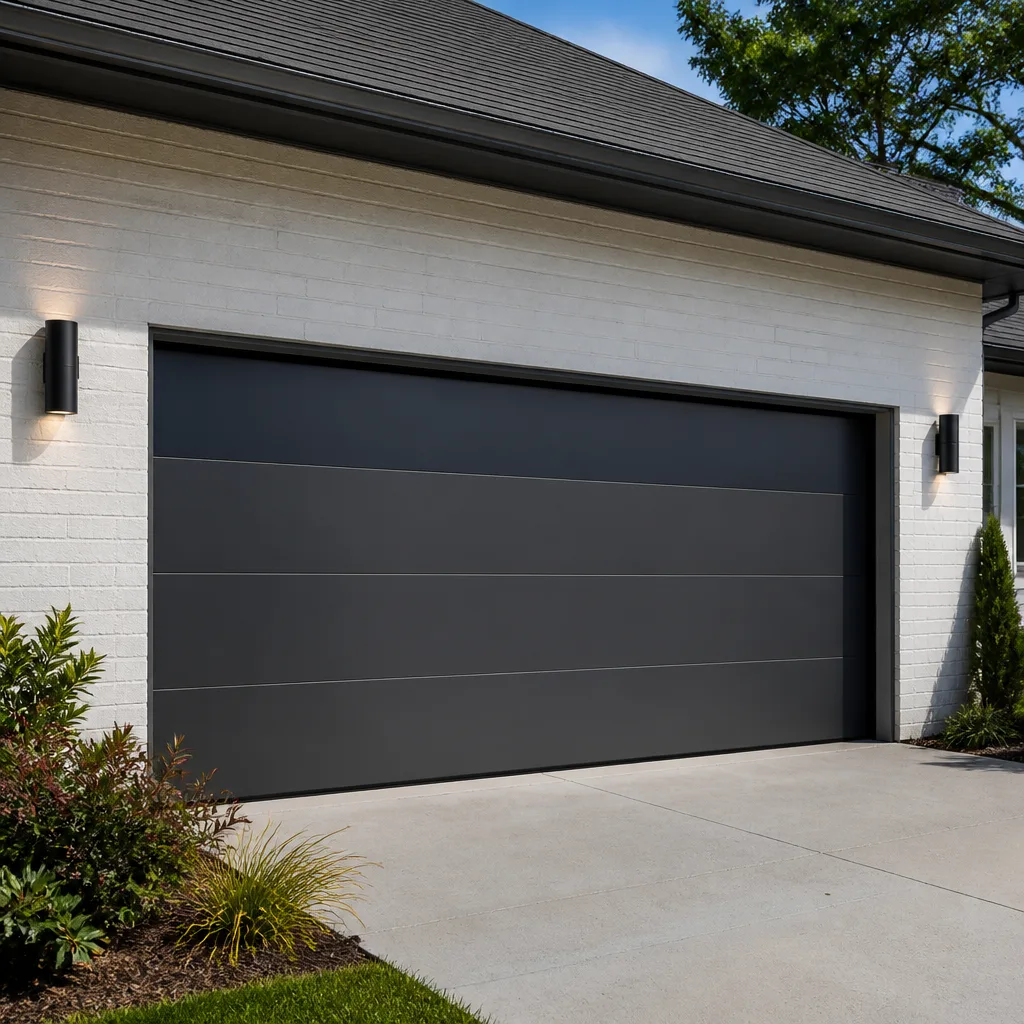 Modern flush
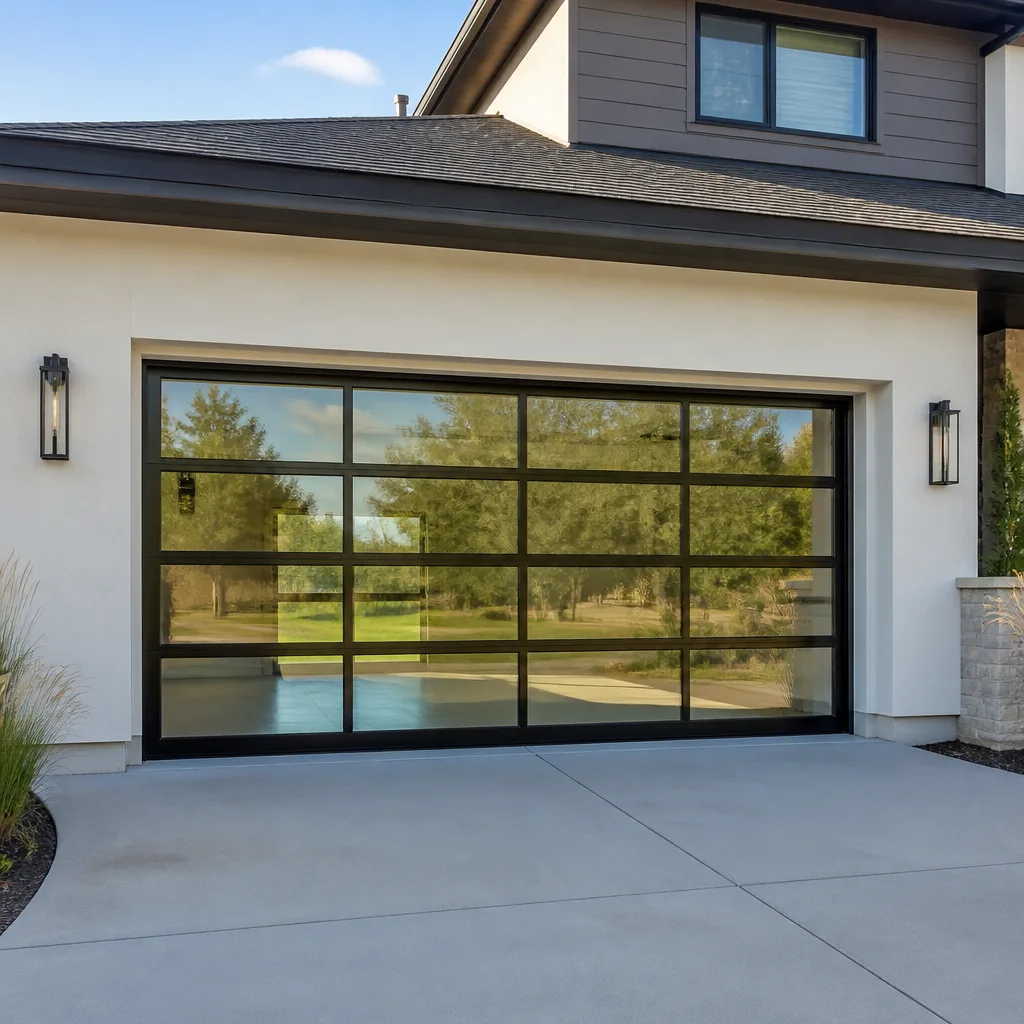 Full-view glass
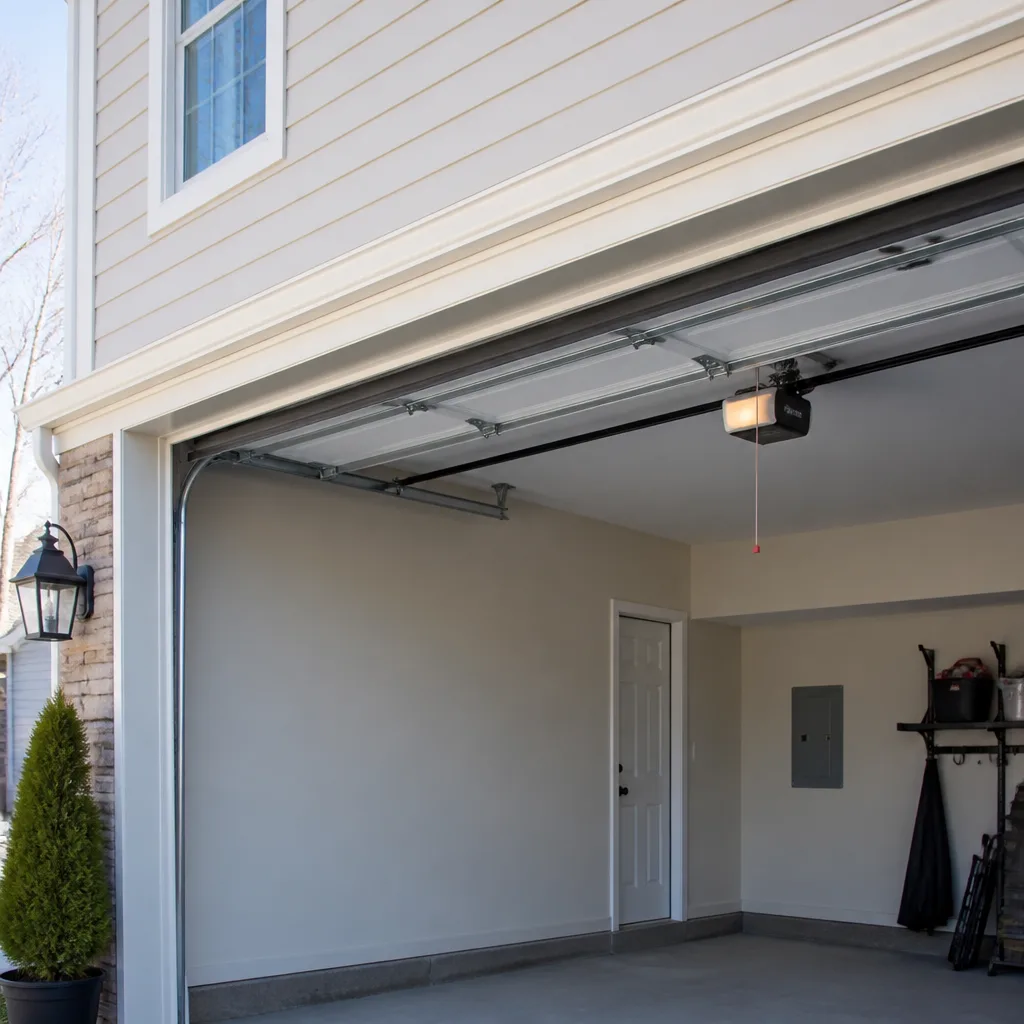 LiftMaster openers
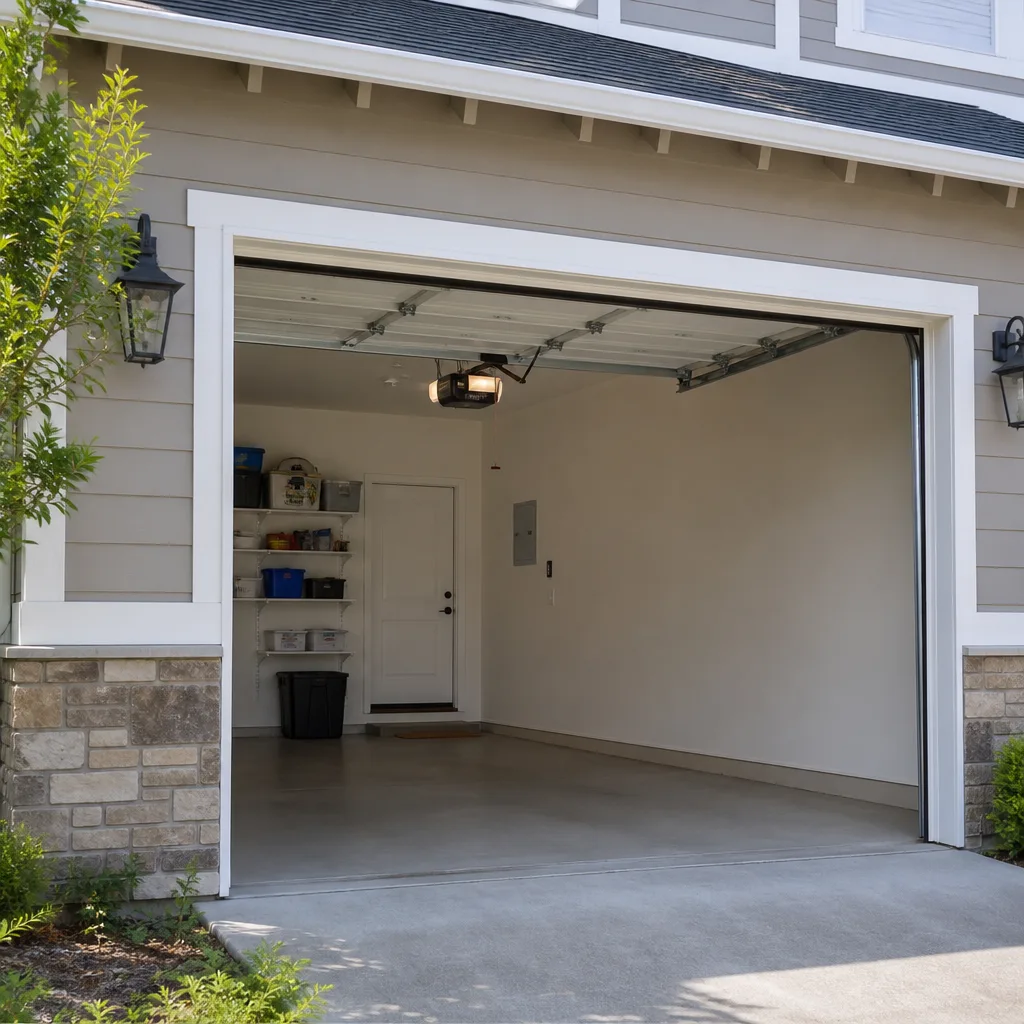 Chamberlain openers
Full 25-point door and opener safety check with every visit - springs, cables, rollers, tracks, and your LiftMaster or Chamberlain opener included
You get a price before we start. It does not change when the truck arrives.
Get your free estimateSeasonal Garage Door Care for Torrance: Year-Round Homeowner’s Guide
If you’ve ever searched for garage door maintenance advice, you’ve probably found the same tired four-season checklist written for Minnesota or Michigan. It’s useless for Torrance. Your garage door doesn’t care about road salt or subzero temperatures. What it does care about is June gloom condensation dripping onto photo-eye sensors, August heat expanding metal tracks until a roller binds, and Santa Ana winds blowing fine grit into hinges that were lubricated back in March. This guide covers the seasonal wear patterns that actually affect garage doors in Torrance, and what to do about them before a small issue becomes a Saturday-morning emergency. For a deeper dive, see our The Complete Guide to Garage Door in Torrance.
Styles & brands we work with
Quick Answer
Seasonal garage door care in Torrance centers on four things: cleaning marine layer condensation off safety sensors in late spring and summer mornings, re-checking spring tension after the first major Santa Ana heat spike, inspecting the bottom seal for UV cracking every fall, and lubricating rollers and hinges quarterly because coastal salt air accelerates wear. Most homeowners can handle the cleaning and visual checks themselves; spring tension and cable adjustments should always be left to a professional.
Table of Contents
- Understanding Torrance’s Actual Garage Door Climate
- Spring: The Marine Layer Checklist
- The Santa Ana Wind Event Protocol
- Fall Prep: Thinking About El Niño Before It Arrives
- Winter: Moisture, Rust, and What the Rain Does to a Threshold Seal
- The Right Way to Lubricate a Garage Door in Coastal Air
- Common Mistakes to Avoid
- When to Call a Professional
- Frequently Asked Questions
- The Bottom Line
Understanding Torrance’s Actual Garage Door Climate
Torrance sits in a narrow band of the South Bay where four distinct micro-climate forces hit garage doors in sequence throughout the year. We see the results in driveways from Walteria to Old Torrance every week. The marine layer rolls in from May through July, sometimes lingering into August. Then the Santa Anas arrive in September and October, dropping humidity into single digits and sending temperatures spiking into the 90s. November through February brings the occasional Pacific storm system, followed by a spring transition where the temperature swings between cool coastal mornings and warm afternoons can be 25 degrees or more.
Each of these patterns stresses different components. The marine layer targets electronics and exposed metal. The Santa Anas stress wood doors, springs, and track alignment. Winter rain attacks the bottom seal and threshold. The daily temperature cycling between marine layer mornings and sunny afternoons causes metal components to expand and contract repeatedly, which over time loosens track bolts and causes cable stretch at rates a general contracting guide would never account for.
What this means in practice is that a Torrance garage door that receives no seasonal attention will typically show its first symptoms at predictable times of year. A false reversal in June. A door that sticks at the halfway point in September. A puddle seeping under the door in December. All of them are preventable with a seasonal rhythm that takes about 20 minutes per session.
This pattern also affects what kind of replacement parts make sense. If your garage door installation was done with hardware spec’d for inland conditions, the coastal air will degrade it faster than expected. It’s one of the reasons we recommend checking the bottom seal and roller material any time a door gets serviced.
Spring: The Marine Layer Checklist
The marine layer in Torrance typically runs from May through early August, and its most visible effect on garage doors is condensation. When a thick marine layer sits over the South Bay overnight, the temperature inside an uninsulated garage can drop 15 degrees below the outside air. When warmer daytime air moves in around noon, moisture condenses on cold surfaces: opener motors, track brackets, and especially the photo-eye sensors mounted near the garage floor.
That condensation is the cause of one of the most common seasonal service calls we see: a garage door that starts reversing on the way down for no apparent reason. Homeowners assume the opener is failing. In most cases, moisture from the marine layer is fogging the photo-eye lens or bridging the sensor signal, causing a false obstruction reading. The fix is either a wipe-down or, for doors that see frequent condensation, a sensor repositioning.
Here’s a spring checklist for Torrance homeowners:
- Inspect the photo-eye sensors. Look for condensation, dust film, or the slight green oxidation that coastal salt air produces on older sensor housings. Clean the lens with a dry microfiber cloth. If the sensor brackets have come loose over winter, the beam may be misaligned; check that both lights are solid, not blinking.
- Check for rust on steel rollers and hinge pins. Coastal salt air accelerates rust on unsealed metal. If you see orange staining around the hinge pins or the roller stems, the roller bearings are next in line.
- Test the auto-reverse force setting. The biggest killer of garage door safety margins is a homeowner who adjusted the force setting themselves to compensate for a door that was binding due to temperature changes. If the door strains to reverse when you block it with a rolled towel, it’s time to get it checked.
- Look at the balance. Pull the release cord and lift the door manually. It should stay put at the halfway point. If it falls, a spring has lost tension over the winter, and continuing to run the opener will tear up the gear assembly.
- Clean the tracks. The gritty dust that blows into Torrance garages during early spring stick to light oil deposits. A dry rag run along the inside of the vertical tracks clears what will eventually gum up the rollers.
If your opener is a LiftMaster or Craftsman unit, these sensors and force settings are broadly similar, though the diagnostic lights differ. If it’s a Genie, the sensor housing design differs slightly, but the same principles apply. The point is that spring in Torrance is not about “spring cleaning” a garage door; it’s about getting ahead of the moisture-driven false reversal cycle before it strands you with a door that won’t close.
For anyone in Torrance who wants a professional spring check before the marine layer settles in for good, Torrance Garage Door Service home covers the full seasonal inspection, including tension and cable wear checks that aren’t safe to do yourself.
The Santa Ana Wind Event Protocol
Santa Ana winds hit Torrance differently than they hit the foothills. The worst effects tend to come in September and October, when hot, dry air from the desert funnels through the passes and spills into the LA basin. Humidity drops below 10 percent. Temperatures climb into the 90s, sometimes higher. And out in the driveway, your garage door begins to move.
Here’s what’s happening mechanically. The galvanized steel tracks, the aluminum panels, and the steel springs all expand at slightly different rates when ambient temperature climbs 20 degrees in a day. A door that was perfectly aligned in July can start binding in September because the track has expanded by a few thousandths of an inch and the roller offsets weren’t adjusted to accommodate it. Wood doors in particular are prone to seasonal shifting; they absorb whatever ambient moisture remains, then dry out and shrink when a strong Santa Ana event blows dry air through for three or four consecutive days.
Spring tension is most likely to drift during these events. A torsion spring working in 55-degree marine air has a different effective tension than the same spring at 92 degrees. Over the course of a Santa Ana event, the cable can slip a hair on the drum, and the door settles into a slightly different balance. For a garage door in Torrance, the best time to re-check tension is shortly after the first major Santa Ana of the season, usually in early to mid-September, and then again after the event passes if the door got heavy use during the heat. See The Complete Garage Door Repair Guide for Torrance Homeowners for step-by-step troubleshooting.
Here’s what a Santa Ana wind event protocol looks like for a homeowner:
- Listen for changes in the door’s sound. A door that creaks, pops, or makes a “chunking” sound during a Santa Ana event is usually telling you the tracks have shifted relative to the rollers. Temporary, if caught early. Permanent, if ignored.
- Check the weatherstripping at the bottom of the door. Extreme low humidity doesn’t crack rubber by itself, but it does dry out seals that were already aged, and the wind accelerates the process by flexing them thousands of times.
- Look at the top panel joints. On wood doors, check for fresh seams where panels meet. The panels shrink and swell together, but older doors sometimes separate at the top panel, which allows wind-driven grit into the garage.
- Keep a can of silicone spray handy. Low humidity makes any existing lubrication tacky instead of slick, and wind-borne dust sticks to tacky grease. During a Santa Ana event, the most practical step is to wipe down the exposed hinge faces and give the hinge pins a single short burst of silicone.
One other thing about Santa Ana heat: garage door opener logic boards are more likely to fail in heat events than in any other condition. The old Genie and LiftMaster units have capacitor-dominant boards that don’t like prolonged 90-degree plus temperatures inside an uninsulated garage. If your opener is old and you live in a part of Torrance that gets direct afternoon sun on the garage, consider upgrading to a modern opener repair or replacement before the heat finds its weak spot.
Fall Prep: Thinking About El Niño Before It Arrives
Fall is when most garage door guides tell you to “prepare for winter” with language about freezing temperatures and snow load. That’s not the right frame of reference for Torrance. The real fall question is: what happens when the first big Pacific storm of an El Niño winter hits a garage door that has spent six months drying out under coastal sun and Santa Ana wind?
The answer is water intrusion. Rainwater doesn’t just drip under a garage door; it gets driven sideways by storm winds, channeled along the driveway slope, and pooled against the bottom seal. If that seal has been degraded by UV exposure over the summer, or if the door settled slightly during the Santa Ana event, the threshold fails at the exact moment you need it. Water gets into the bottom of the door panel, rusts the bottom bracket, seeps under the threshold, and over a five-year period, repeatedly wet winters will warp the bottom section of the door.
Fall is also the right time to evaluate the material the bottom seal is made from. Builders in the South Bay frequently spec a vinyl bottom seal because it’s cheap and meets code. But vinyl hardens under coastal UV light faster than rubber, and a hardened vinyl seal doesn’t compress when the door closes, so it leaves gaps. An EPDM rubber seal costs a little more, but it resists both UV and salt air and holds its flexibility for years longer. If you don’t know what’s on your door, bend the seal with your thumb. If it cracks or resists flexing, it’s time to replace it regardless of what the calendar says.
Track alignment is another fall item. The same temperature cycling that caused the door to bind in September can leave the tracks slightly out of parallel by November. If they’re off by even an eighth of an inch from top to bottom, the rollers will wear unevenly during the wet season, and the problem compounds. A fall track check takes a professional about 15 minutes with a level and a few wrenches, and it prevents a much more expensive repair in January.
For Torrance homeowners, fall prep should also include a look at the auto-reverse pressure sensitivity, since a door that has gotten heavier with winter moisture in its wood panels needs slightly different force settings than the same door in July. If your opener is a Chamberlain or Raynor, the process for checking the reverse pressure is similar; if you’re unsure how to do it without making things worse, better to call rather than adjust it blind.
Winter: Moisture, Rust, and What the Rain Does to a Threshold Seal
When a Pacific front parks over the South Bay, it exposes every weak point a garage door has accumulated over the previous three seasons. The most visible failure is water under the door, but the less obvious one is rust acceleration on hardware that got scratched or chipped during the spring and summer.
Here’s the cycle. A hinge pin or roller stem gets scratched when the door binds during a Santa Ana event. The scratch exposes raw steel. Coastal winter fog condenses on that raw steel each morning, then burns off in the afternoon sun, repeating the cycle dozens of times between November and February. That’s how a hinge that looked perfect in September becomes a stiff, rusted joint by March. It’s the same reason we recommend checking all hardware once during winter, not just the bottom seal.
Moisture also affects the threshold seal in a slower, more cumulative way. When water sits against a rubber seal for weeks at a time, it degrades the adhesive backing on cheaper seals and softens the floor seal where it meets the concrete. A five-year-old seal that has seen three El Niño winters will look fine from the top and be failing underneath. The test is simple: during or after the next rain, run your finger along the inside edge of the seal where it meets the garage floor. If it comes away wet, the seal is not doing its job.
Wood doors are the most visibly affected by winter moisture in Torrance. A wood panel that was dried out by September Santa Anas will swell noticeably in a damp December, which changes the door’s balance enough to make the opener work harder. That’s not a reason to replace the door; it’s a reason to have the tension checked mid-winter, especially if the door has ever been repainted or resurfaced, which adds thickness that changes the door’s weight.
If you have a Wayne Dalton or Clopay wood door in a Torrance neighborhood that gets direct maritime exposure (the streets west of Hawthorne Boulevard see heavier fog and salt air), plan on at least one visual inspection during the winter months. Catching a rust bloom on the bottom bracket in January is a $20 fix. Waiting until May is a $400 replacement.
When torrential winter rain catches a garage door off-guard, a quick fix for a leaking threshold is a temporary dam strip installed on the inside of the door, but that’s a stopgap, not a solution. The real fix is a seal replacement plus a track alignment check, and that’s work we see scheduled throughout the rainy season from homeowners who waited until the puddle appeared.
The Right Way to Lubricate a Garage Door in Coastal Air
Lubrication in Torrance isn’t a once-a-year task, and it’s not the same as lubrication in a dry climate. The salt air changes the rules. WD-40, the most commonly misused product around garage doors, is a solvent, not a lubricant. It’s fine for cleaning a rust spot, but it strips lubrication and leaves the hinge dry within days. What a Torrance garage door needs is a thin layer of silicone spray on the hinge pins and a spray lithium grease on the torsion spring, applied lightly.
The coastal air problem is that whatever you apply, it eventually collects fine salt and dust particles from the marine layer. The first indication that your lubrication has gone bad is usually a door that starts groaning or a roller that doesn’t spin freely. The fix is to wipe down the old lubricant with a rag before applying new, rather than adding more on top. Lubricating over old, dirty grease is like painting over rust.
A good seasonal rhythm for the South Bay is to lubricate the door twice a year: once in early spring after the last wet winter storm clears out, and once in late fall when the Santa Ana dust has settled. For a door that sees daily use, a third pass in mid-summer doesn’t hurt. For a door on the coast side of Torrance within a mile of the water, a light application every three months will slow down rust build-up appreciably.
For homeowners who want to keep things simple without risking a mistake, garage door repair in Santa Fe Springs can address seasonal lubrication as part of a routine service call, and we’re always straightforward about what actually needs greasing versus what just needs a wipe-down.
Common Mistakes to Avoid
- Ignoring false reversals as “just the sensor being dirty.” Moisture from the marine layer is often the trigger, but if the door reverses repeatedly and the lens is clean, the issue may be a binding roller or a failing logic board. Repeated reversal cycles put stress on the entire drive system.
- Using penetrating oil (WD-40) on hinge pins and springs. It strips the existing lubricant and leaves bare metal. In coastal air, rust follows within weeks. Silicone spray for pins, lithium grease for springs.
- Adjusting the opener force settings to “fix” a door that’s binding. If the door is binding due to Santa Ana heat expansion, the solution is a track adjustment, not a force setting. Increasing force to overcome a bind is how doors crash down on people.
- Waiting until Christmas week to fix a bottom seal. Winter rain in Torrance is predictable in its unpredictability. If the seal is cracked in October, it will leak in January. A seal replacement is a 30-minute job.
- Lubricating over old, dirty lubricant. This creates an abrasive paste that accelerates roller and hinge wear. Wipe first, then apply new lubricant.
- Guessing spring type or size when ordering a replacement. Torsion springs are precisely matched to door weight and cycle count. A Torrance professional knows which spring rate matches your door model and how many cycles it’s rated for; a DIY guess is dangerous and usually wrong.
When to Call a Professional
Most of what’s in this guide is visual and doesn’t require touching anything under tension. But springs, cables, and track brackets are not homeowner-adjustable, and trying to adjust them without the right tools and torque settings is genuinely dangerous. If you see a gap in a torsion spring, a frayed cable, a roller that has come out of the track, or a door that drops when you pull the release cord, it’s time to get a professional involved. We see these failures across every brand in Torrance, from LiftMaster openers to Wayne Dalton doors, and the fix is always faster and safer when addressed before the door comes off its tracks entirely. Torrance Garage Door Service offers free estimates in Torrance, call (855) 341-7719.
Frequently Asked Questions
Once a year for a light inspection is fine for a door that’s less than 10 years old and used normally. For older doors, or doors on the coast side of Torrance that see heavy salt air, twice a year keeps small problems from becoming expensive failures. The two best times are spring (after the marine layer settles in) and fall (after the Santa Ana events pass).
Condensation from the marine layer is the usual cause in Torrance. Overnight moisture condenses on the photo-eye sensors, and when the door starts down, the sensor reads the fogged lens as an obstruction and reverses. Wipe the sensor lenses with a dry cloth. If the problem recurs daily, the sensors may need cleaning or repositioning.
No. Torsion springs and extension springs are under enormous tension and can cause serious injury or death if they release unexpectedly. This is not a matter of skill level; it’s a matter of the right tools, the right winding bars, and knowing the exact torque spec for your spring. Leave spring adjustments to a trained professional.
EPDM rubber is the best choice for most Torrance garages. It holds up against UV, salt air, and repeated wet-dry cycles better than builder-grade vinyl, which hardens and cracks under coastal sun. If your current seal is stiff and doesn’t compress when you squeeze it, it’s time for replacement.
Extreme heat and low humidity cause metal tracks and components to expand, which can shift the door and cause binding. Wood doors shrink in the dry air and then swell again when moisture returns, affecting the door’s balance. The effect is usually visible as a door that sticks, groans, or sounds different during and shortly after a Santa Ana event.
In our experience in Torrance, a seasonal tune-up is one of the few home maintenance tasks that can prevent a major repair. Catching rust on a hinge early, identifying a seal that’s losing flexibility, and re-checking spring tension after a heat event can prevent the slow cascade of damage that turns into $500 to $1,200 in repairs six months later. For more guides & resources or an exact quote on your specific door, call (855) 341-7719 for a free estimate.
The Bottom Line
Torrance has a garage door season, and it doesn’t look like the rest of the country’s. The marine layer causes sensor condensation and false reversals. The Santa Anas stress tracks and springs with heat and dust. Winter rain exposes every weakness in the threshold seal. The right seasonal rhythm for Torrance is simple: wipe down the sensors in late spring, listen to the door during Santa Ana events, check the bottom seal before the first big storm, and lubricate twice a year with the right products. If any of these checks turns up something that requires tools and expertise you don’t have, don’t guess. Call a garage door specialist who works on your brand. Call Torrance Garage Door Service at (855) 341-7719. We’ll diagnose it, quote it, and fix it right the first time.
Written by the team at Torrance Garage Door Service, serving Torrance since 2013.
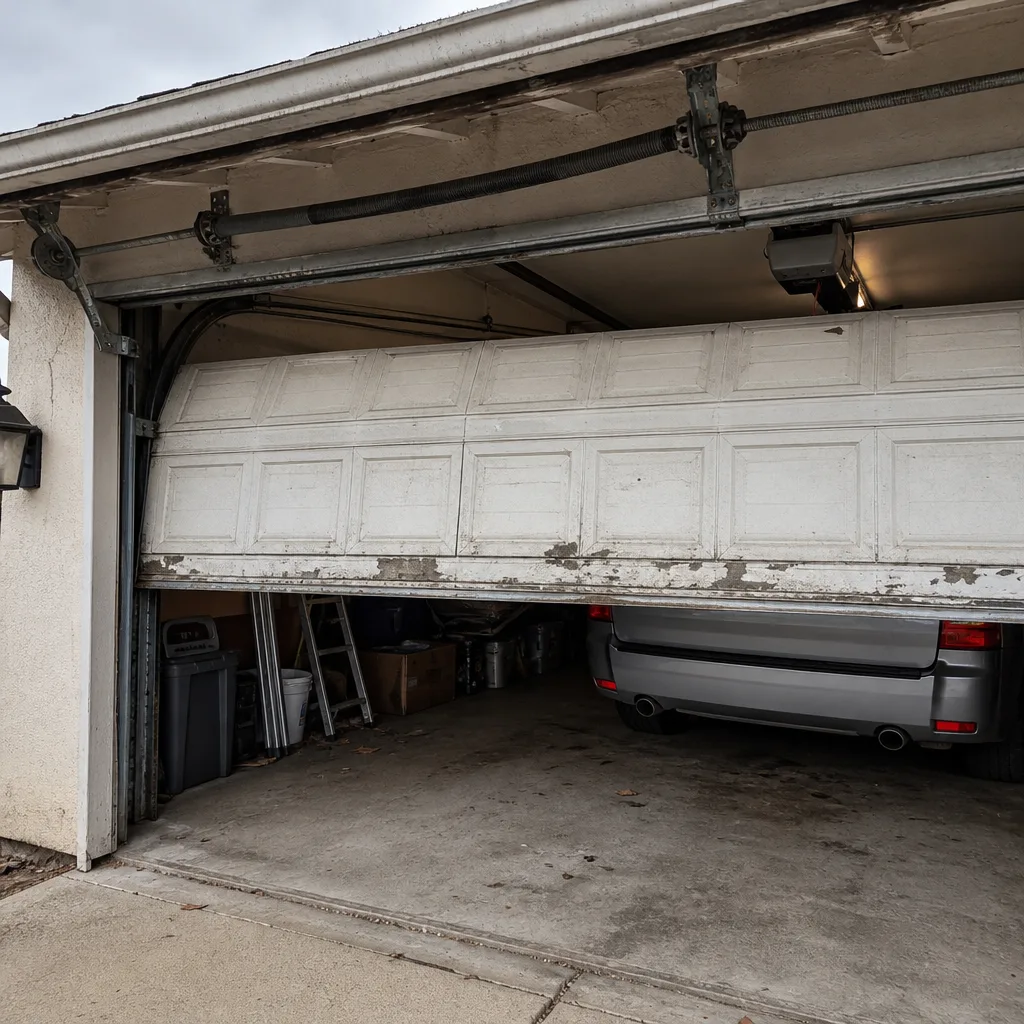
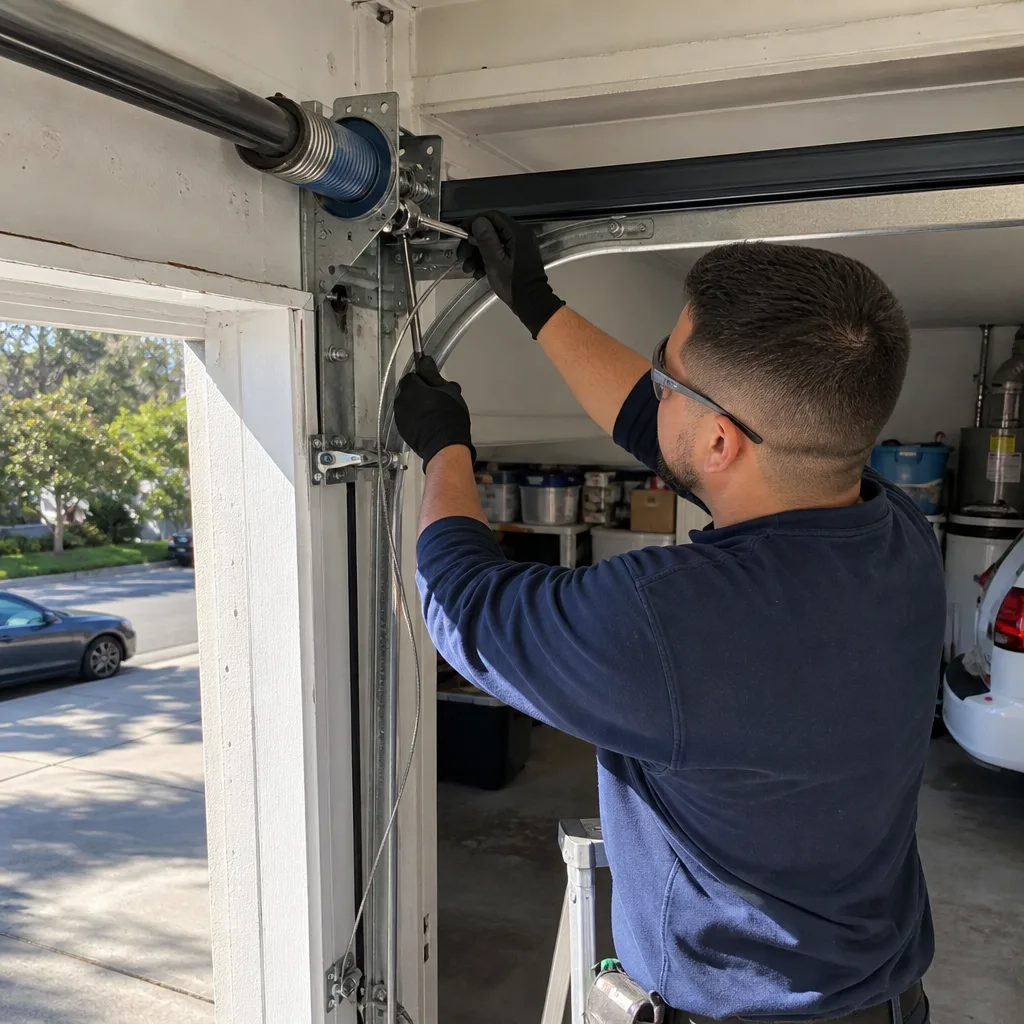
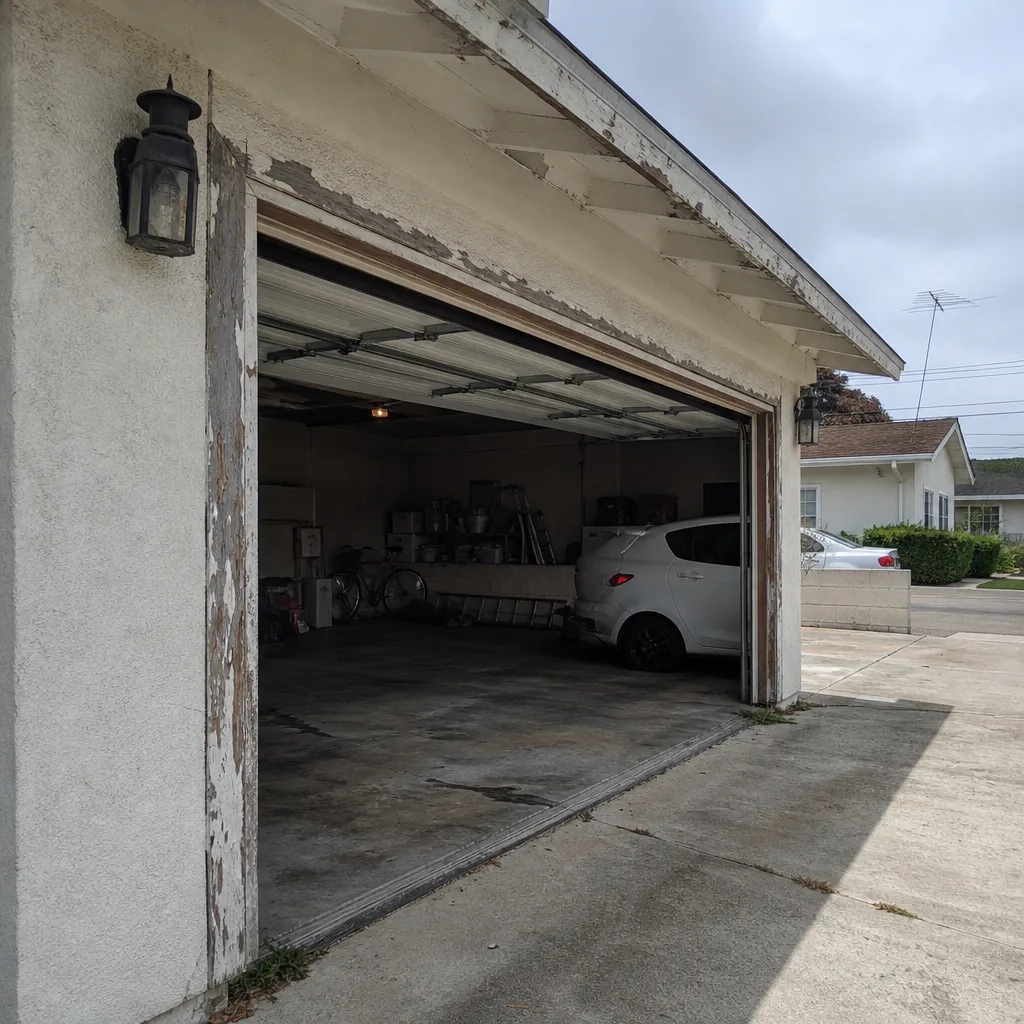
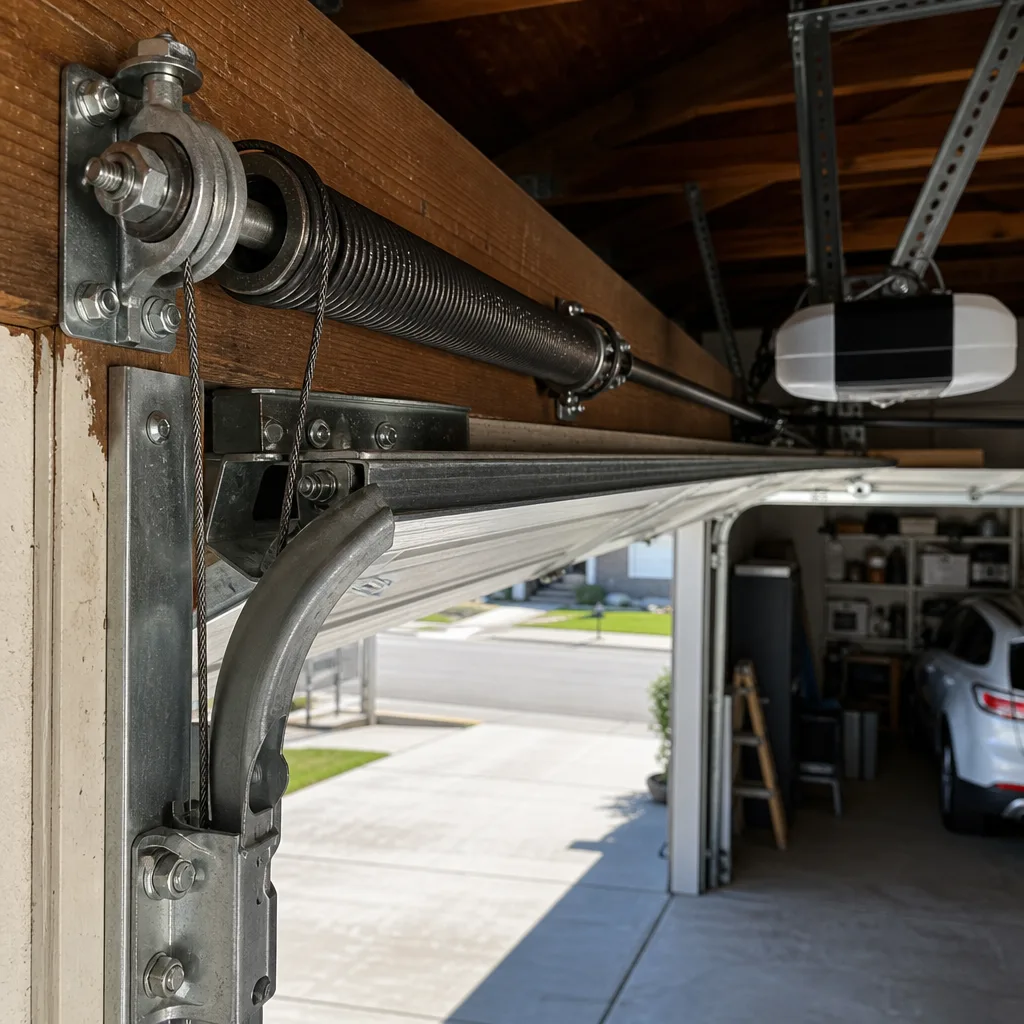
See the difference
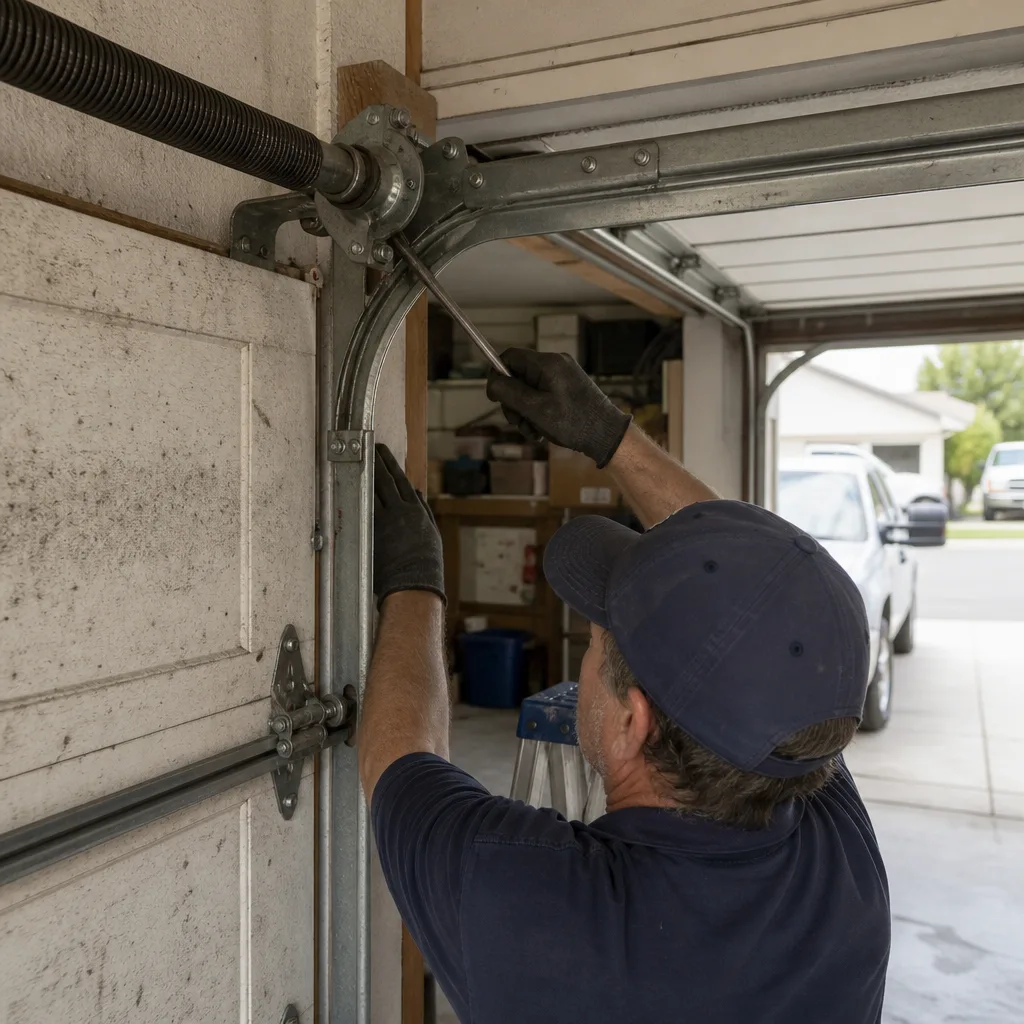 Before
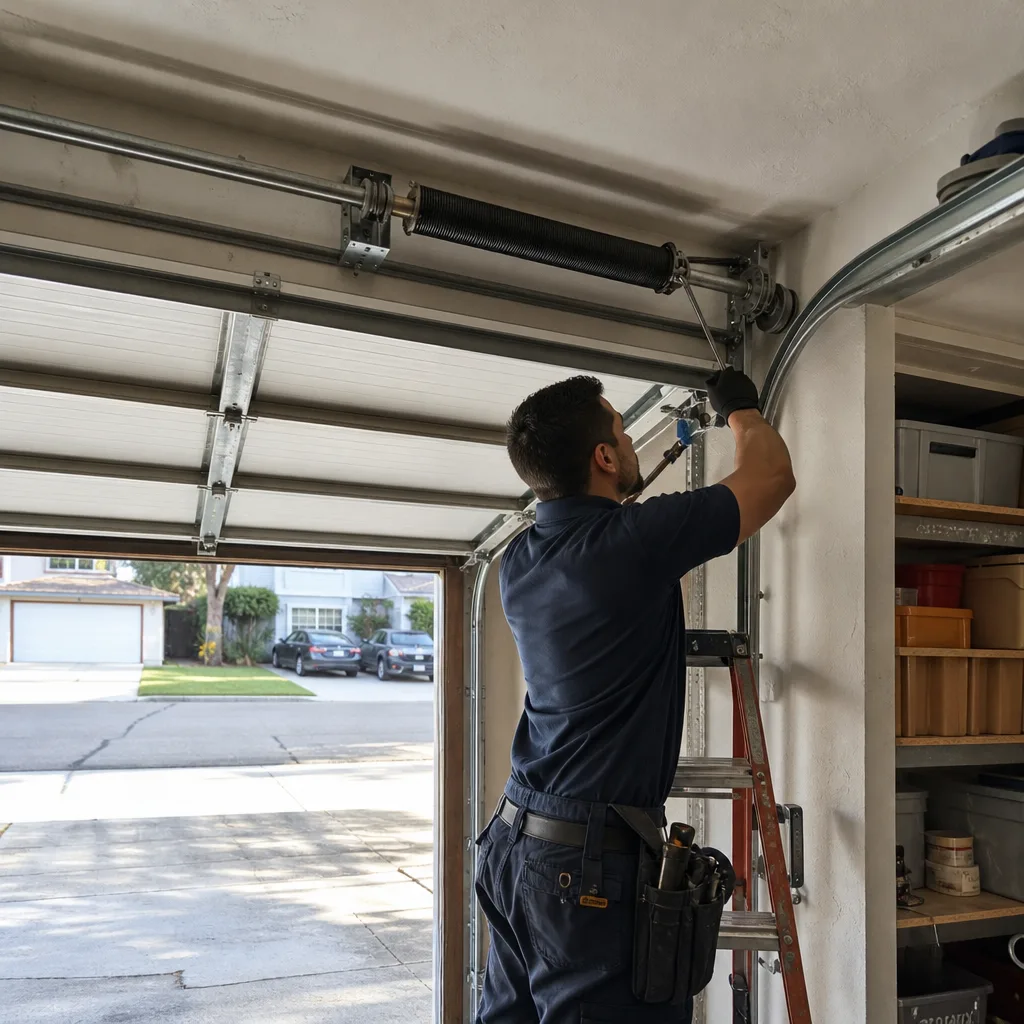 After
 Before
 After
 Before
 After