
Last updated October 31, 2026
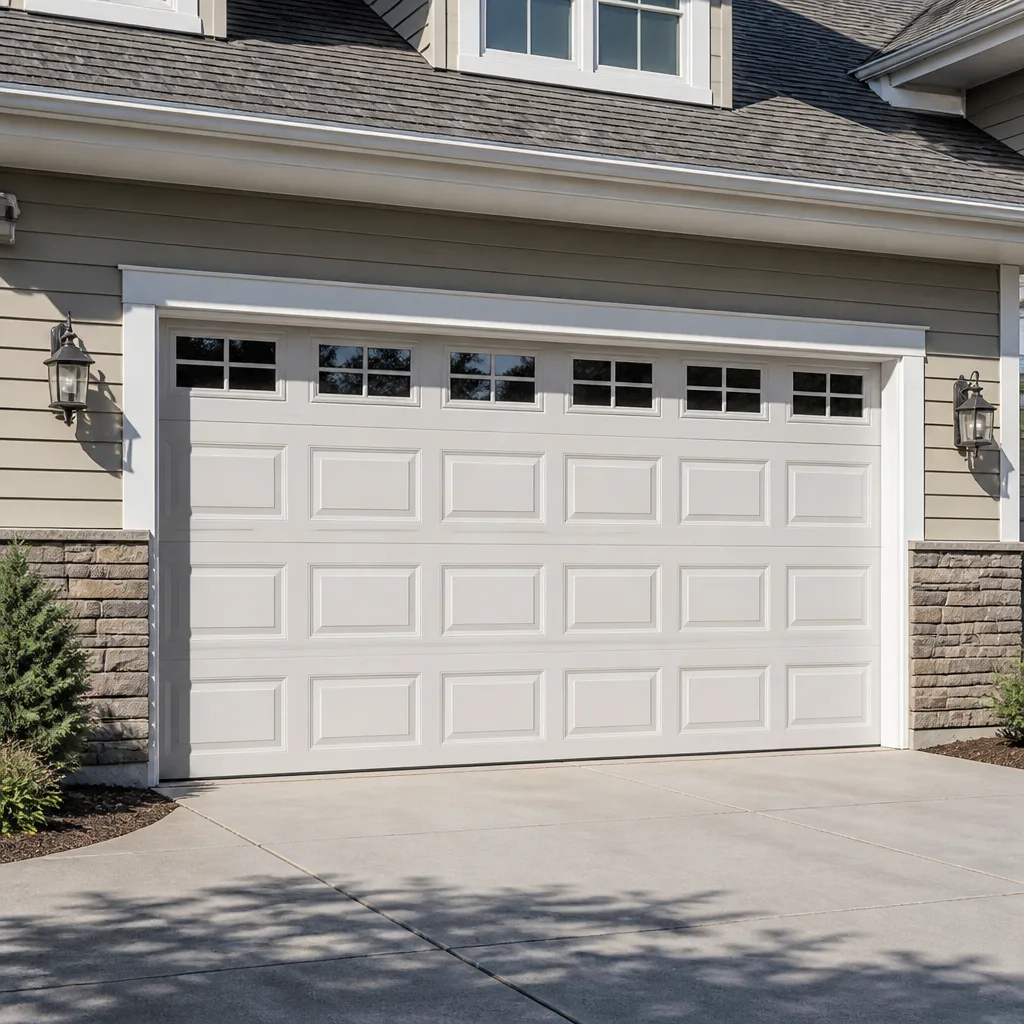 Raised-panel steel
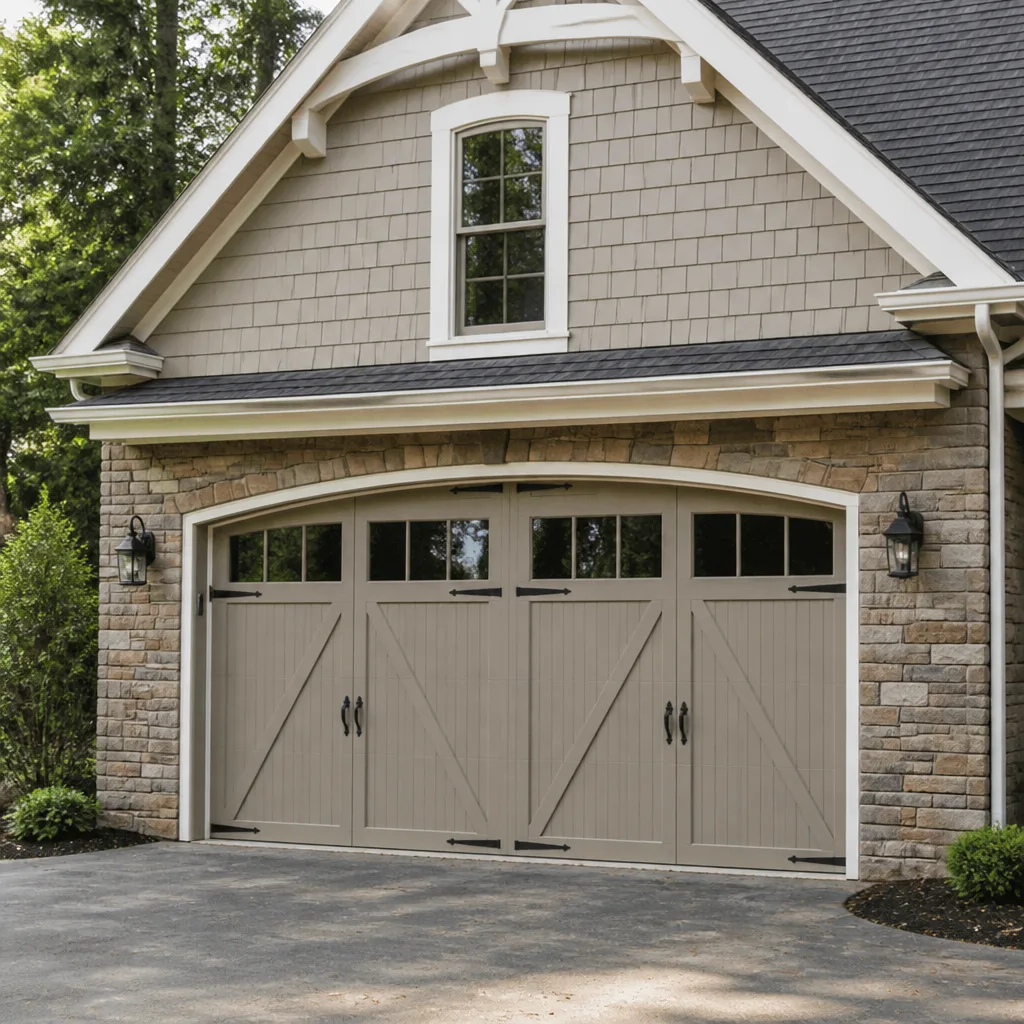 Carriage house
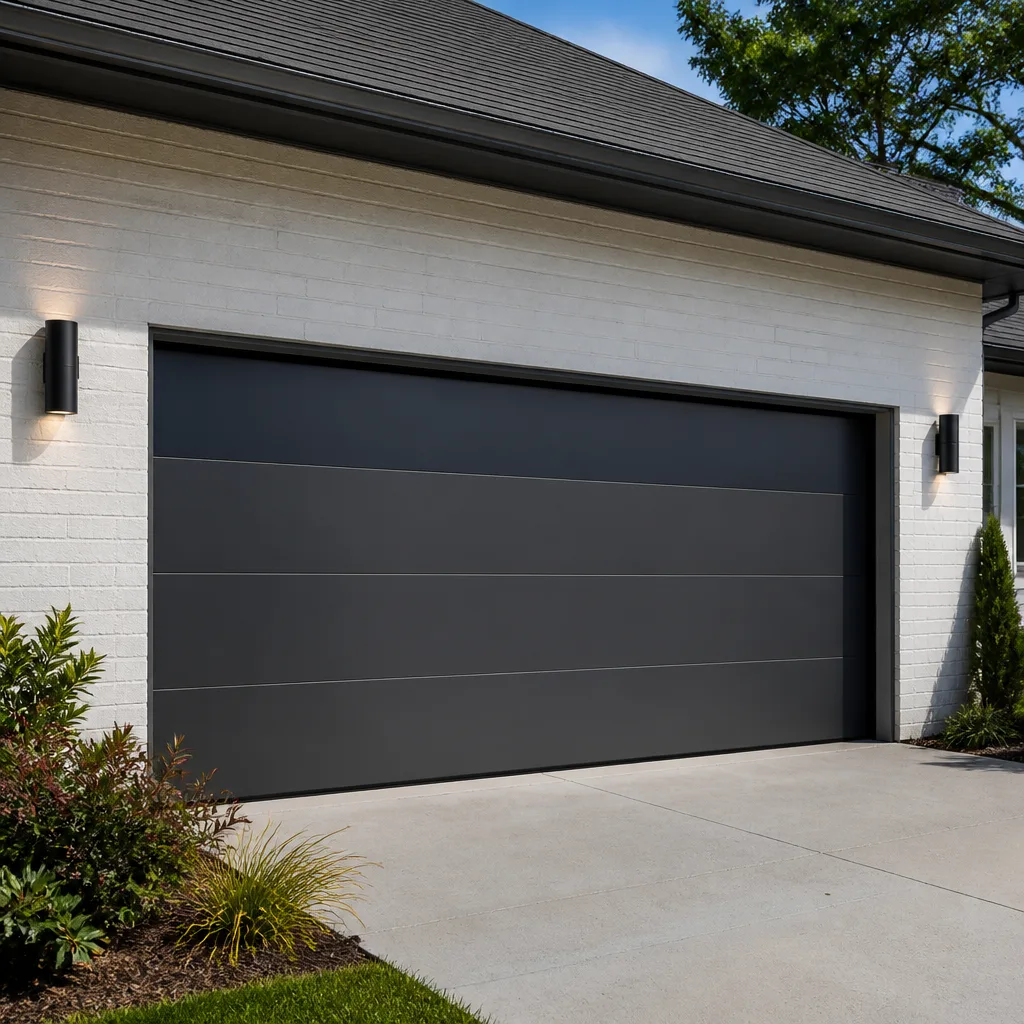 Modern flush
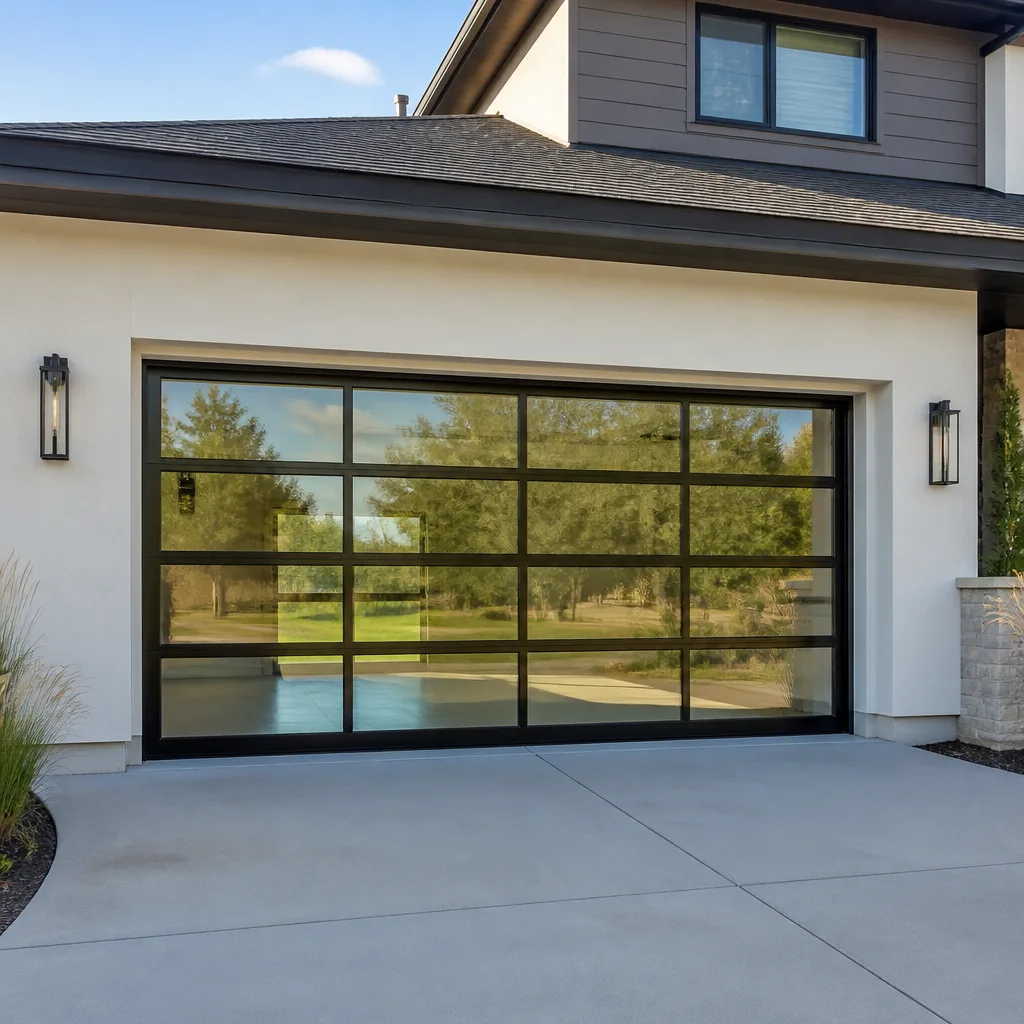 Full-view glass
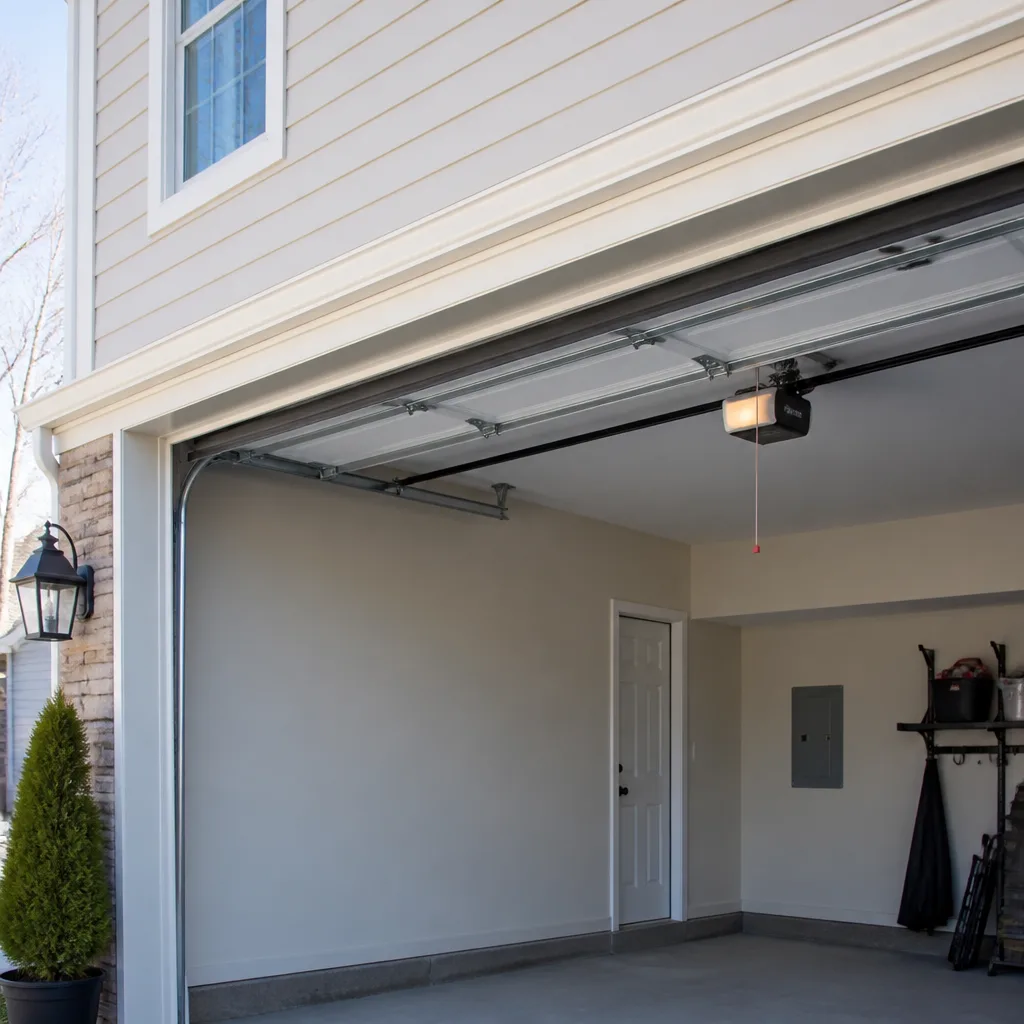 LiftMaster openers
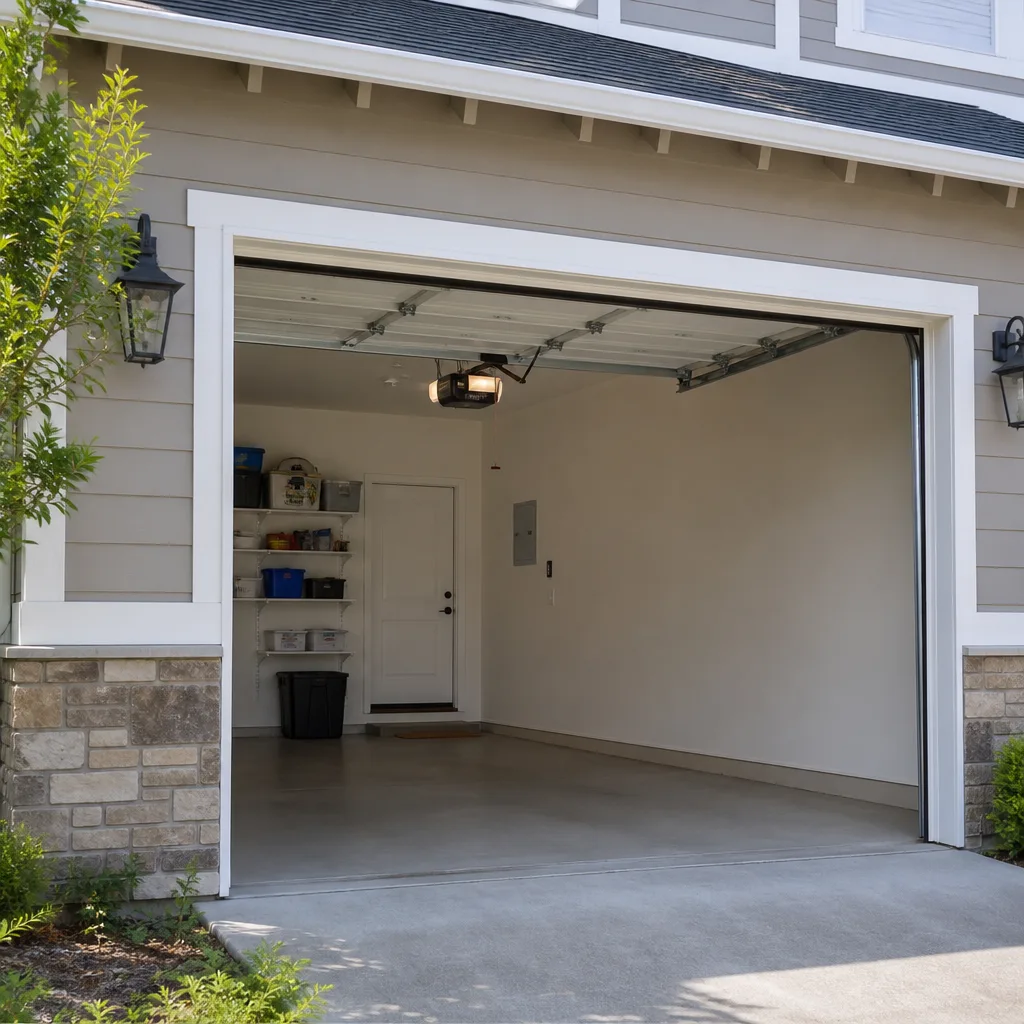 Chamberlain openers
Full 25-point door and opener safety check with every visit - springs, cables, rollers, tracks, and your LiftMaster or Chamberlain opener included
You get a price before we start. It does not change when the truck arrives.
Get your free estimateGarage Door Emergency Preparedness Guide for Torrance Homes
During the 2019 Southland power outages, calls to garage door services spiked 340% in the first 48 hours. Almost every one of those calls came from a homeowner who didn’t know where the manual release cord was, or had a broken emergency release mechanism they’d never tested. For a Torrance homeowner, a garage door emergency is never just a broken spring. It’s a car trapped inside while you’re late for work. It’s a door stuck open at 11 p.m. with thousands of dollars of tools and bikes visible from the street. It’s a power outage that hits at the worst possible moment. This guide walks you through exactly what to do before, during, and after a garage door emergency in Torrance, so you’re not learning any of it for the first time when you’re already stressed. For Garage Door Repair Troubleshooting: Common Problems and How to Fix Them, see our dedicated troubleshooting resource.
Quick Answer
A garage door emergency in Torrance requires three things: knowing how to safely disengage your opener and operate the door manually, knowing how to secure a door that won’t close, and having the right information ready when you call a technician. For broken torsion springs, do not attempt to lift the door manually – call a professional immediately. Most emergencies are avoidable with a 10-minute monthly check of your manual release, balance, and safety sensors, and every Torrance home should have a practiced plan for the three most common scenarios: spring failure, opener failure, and power outage. Our Garage Door Repair Maintenance Checklist for Torrance Homeowners covers exactly what to check.
Styles & brands we work with
Table of Contents
- How to Use the Manual Release: Three Common Opener Configurations
- How to Secure a Garage Door That Won’t Close
- The Broken Spring Scenario: Why Manual Operation Is Dangerous
- Emergency Contact Prep: What to Have Ready Before You Call
- Power Outages and Your Garage Door
- Post-Emergency Inspection: What a Tech Should Evaluate
- The 10-Minute Monthly Check That Prevents Most Emergencies
- Common Mistakes to Avoid
How to Use the Manual Release: Three Common Opener Configurations
The manual release cord is the dangling red handle hanging from your opener rail. It disconnects the door from the opener carriage so you can lift the door by hand. The problem: not every opener is the same, and pulling the cord the wrong way or at the wrong time can make a bad situation worse. We’ve walked Torrance homeowners through this over the phone hundreds of times, and the most common point of confusion is which direction to pull and whether the door will slam or drop when you do it.
Configuration 1: LiftMaster and Chamberlain belt-drive openers, which are the most common in Torrance homes. The release cord hangs from a trolley on the rail above the door. Pull straight down, one firm motion, toward the floor. You’ll hear a click. The door is now in manual mode. If the door is in the up position when you pull, it may start to descend on its own if the springs are worn. Stand to the side, not under the door.
Configuration 2: Genie screw-drive openers. The release mechanism is a small lever on the carriage itself, not just a cord. Pull the cord down and toward the door, not straight down. This rotates the release lever. A common mistake: pulling straight down on a Genie and hearing no click, then pulling harder and bending the lever. The pull direction matters.
Configuration 3: Craftsman chain-drive openers, common in older Torrance homes from the 1990s and 2000s. These have a more basic trolley release. Pull the cord straight down and slightly back toward the opener motor. The trolley separates from the chain. These sometimes require more force than newer models because the release mechanism is mechanical, not spring-loaded.
- Clear the area. Make sure no one is standing under the door and nothing is in the door’s path.
- Identify your opener brand. Look at the motor housing mounted to the ceiling.
- Pull the release cord in the correct direction for your model (see above).
- Test that the door is free by lifting it a few inches. It should move smoothly. If it’s heavy or won’t budge, one of the springs has likely failed – stop and call a professional.
- To re-engage: pull the cord again in the same direction, then run the opener. The trolley will re-latch automatically on most models.
In Torrance, where many garages are detached and used as workshops or home gyms, the manual release gets tested even less often than in attached-garage homes. That’s exactly why power outages turn into emergencies here. If you’re in a neighborhood like Hollywood Riviera or South Torrance, with a detached garage and an older Chamberlain or Genie unit, take five minutes this weekend to test your release cord when the door is in the up position. You’ll learn your door’s behavior under controlled conditions instead of during an outage.
How to Secure a Garage Door That Won’t Close
A door that won’t close is a security problem whether the failure is in the opener logic board, a bent track, or a snapped cable. In Torrance, with its alleys and rear-facing garages in areas like Old Torrance and Walteria, an open garage can sit exposed for hours while you’re inside the house or away. Your car, bikes, and the interior door to your home are all vulnerable. Here’s how to secure the door temporarily, in increasing order of effort.
Option 1: No tools needed – lock the door to the track. Most garage doors have a slide bolt lock on one side, about knee height. It’s a small metal handle that slides a bolt into a hole in the vertical track. If your door doesn’t have one, you can install one for under $15 at any Torrance hardware store. Slide the bolt into the track on both sides if you have two locks. This only works when the door is fully closed, which means you’ll need to either close it manually (if it will move) or use the next option.
Option 2: Vise grips on the track (the tool-required option). If the door is in the closed position but the opener won’t keep it closed, or the spring is broken and the door wants to drop, clamp a pair of locking pliers onto the vertical track directly above one of the rollers. This physically blocks the door from moving. Do this on both sides. The critical warning: clamp the track, not the rail or the roller stem. Clamping the roller stem can bend the hinge and misalign the door, and clamping the horizontal rail can damage the guide and cause a derailment later.
Option 3: If the door is stuck open and won’t come down. This is the worst-case security scenario. Pull the manual release and try to lower the door by hand. If it won’t lower, the torsion spring is likely still under tension and something else is binding, or the cables have come off the drum. Do not force it. Do not remove anything. Cover the opening from the inside with a tarp secured to the door frame, move valuables into the house, and lock your interior garage-to-home door. Then call a professional. When a door is mechanically bound, forcing it down can wedge the rollers in the track and bend the panels themselves – a $400 problem on top of the original repair.
We work on doors from Amarr and Wayne Dalton regularly in Torrance, and both brands have slightly different track profiles. Amarr uses a rounded C-channel on many models, which makes clamping easier. Wayne Dalton’s TorqueMaster system has no visible torsion spring above the door, which confuses homeowners who expect to see one. If you have a Wayne Dalton door and the spring fails, it won’t look like the classic broken-spring photo you see online – the spring is inside the tube. That’s worth knowing before you start removing parts.
The Broken Spring Scenario: Why Manual Operation Is Dangerous
A torsion spring snapping is the single most common garage door emergency we get in Torrance. The sound is unmistakable – like a gunshot or a heavy steel bar dropping on concrete. When it happens, the spring releases all its stored energy in a fraction of a second. What’s left is a door with no counterbalance. That door weighs 150 to 250 pounds on average, sometimes more for double-wide doors on newer Torrance homes.
Here’s what most people don’t understand: the spring isn’t a support system. It’s a counterbalance system. Your opener isn’t designed to lift 200 pounds – it’s designed to push a balanced door that requires about 10 pounds of force. When the spring fails, the full weight of the door is on the opener, the cables, or you. That’s why operating a door with a broken spring is physically dangerous. The door can drop suddenly and pin whatever is underneath it.
The safe interim protocol:
- Stop using the door entirely. No opener, no manual lifting, nothing.
- If the door is closed, leave it closed. If it’s open and you can’t close it, see the securing options above.
- Disconnect the opener by pulling the manual release, but do not attempt to lift or lower the door.
- Do not try to remove the broken spring. Torsion springs are under residual tension even after they break, and removing parts without proper winding bars can send a cone through the air.
- Call a professional. Spring replacement requires matching the spring by wire gauge, inside diameter, length, and wind direction – not just “a spring.”
In Torrance’s coastal climate, springs fail on a fairly predictable cycle. Salt air accelerates corrosion on the steel, and temperature swings between the marine layer mornings and hot inland afternoons cause micro-expansion and contraction cycles. A spring that would last 8 years in a dryer climate might fail at 6 years in Torrance. We adjust spring sizing per door based on the door’s weight, not the old spring’s dimensions – a common shortcut that leads to repeat failures.
If you have a Clopay or Amarr door in Torrance, note the model series if you can find it (usually on a sticker on the bottom panel or the hinge side). That helps a technician pre-stage the right parts. For a full breakdown of what spring repair involves, our Garage Door Repair in Santa Fe Springs page covers the process step by step.
Emergency Contact Prep: What to Have Ready Before You Call
When a garage door fails, the clock is running. Every minute you spend digging through a drawer for the manual or trying to read a model number off a motor housing in a dark garage is a minute the door stays broken and your car stays trapped. In our experience, Torrance homeowners who have this information ready get diagnosed faster and scheduled sooner. Here’s what matters.
Door brand and model. Look for a sticker on the door’s bottom panel, inside edge, or hinge. Brands like Clopay and Amarr print the model on a label that faces the garage interior. This tells a technician what weight and panel profile they’re walking into.
Opener brand and model. The motor housing has a decal with model number. LiftMaster, Chamberlain, Genie, and Craftsman all keep their model numbers on the side or back of the unit. The model number tells us the rail type, motor type, and whether the unit has a DC motor or an older AC motor – information that changes which replacement parts we bring.
Symptom description, in order of when you noticed it. Not “it’s broken.” What were you doing when it stopped working? Did it make a sound? Does it move partway and stop? Does it hum but not move? Does the remote work but the wall button doesn’t? The sequence matters more than you’d think.
Photos if possible. A picture of the spring assembly, the track, the opener, or anything visibly broken cuts diagnosis time significantly. Most of our Torrance callers text photos before we dispatch.
Keep this information on a single sheet of paper taped to the inside of the garage door frame, or stored in a note on your phone. Include the phone number for Torrance Garage Door Service home so it’s there when you need it.
Power Outages and Your Garage Door
Southern California power outages are becoming a more regular part of life in Torrance. High winds, and heat waves force utilities to cut power preemptively. When the power goes out, your garage door opener becomes a dead weight on the ceiling, and your door stays wherever it was when the electricity stopped.
Two things happen in a power outage. First, you can’t open the door with the remote or wall button. Second, newer openers with battery backup will operate for a limited number of cycles – usually 10 to 20 – before the battery dies. If your opener has a battery backup, it’ll beep when running on battery. That’s your signal to use the door sparingly until power returns.
If you don’t have a battery backup, you’ll need the manual release. Here’s the step-by-step:
- Pull the door down manually if it’s open. Use the release cord and guide it closed by hand.
- Lock the door to the track with the slide bolt lock.
- Leave the opener unplugged until power returns. This prevents a power surge from frying the logic board when electricity comes back.
- When power is restored, plug the opener back in, pull the release cord to re-engage the trolley, and run the opener once. Watch that the door opens and closes smoothly.
One Torrance-specific note: many homes in South Torrance and the Walteria area have garages that face alleyways. Those alleys are darker than street-facing garages at night, and a manual door operation in an unlit alley is a security exposure. Keep a flashlight mounted next to the manual release if your garage has no window or interior light. It’s a five-dollar fix that makes a big difference at 11 p.m.
Post-Emergency Inspection: What a Tech Should Evaluate
After any event that stressed your garage door system – a forced entry, a power surge, a spring snap, a cable fray – the door should not just be “fixed” and left alone. If you’re unsure whether your repair requires city approval, read Garage Door Permits, Codes & Inspections in CA: What You Need to Know. A full inspection should follow before the door returns to normal operation. Here’s what a thorough technician in Torrance checks, and what you should ask about.
Spring balance. After a spring replacement, the door should stay in place when opened halfway and released. If it drifts up or down, the spring tension is wrong. This is a 30-second test that catches mis-tuned springs immediately.
Cable condition. Cables fray before they break. When a spring snaps, the sudden release can kink or unravel the cables. A good tech checks both cables from drum to bottom bracket. A cable that looks “okay but worn” is a future emergency.
Track alignment. Any event that stressed the door can shift the tracks. If the rollers bind or the door is louder than before, the tracks are likely out of parallel. Bent tracks are not always visible to the eye – a technician will use a level and check roller clearance at three points on each side.
Opener force settings. After any mechanical issue, the opener’s force settings should be re-tested. If the opener was fighting a broken spring, it may have been running at max force to move an unbalanced door. That force setting, left unchanged, will wear out the opener prematurely and can override the auto-reverse safety function. This is one of the most overlooked items after a repair, and it’s a genuine safety issue.
Safety sensor alignment and sensitivity. Power surges and physical impacts knock sensors out of alignment. A proper inspection tests the auto-reverse with an obstruction and confirms the beam alignment. This matters especially on Torrance homes where kids are in and out of the garage constantly.
If your tech doesn’t volunteer these checks, ask. A specialist who works only on garage doors will run these as a matter of routine. For more detail on the opener side of post-emergency evaluation, our Garage Door Opener Repair in Santa Fe Springs page covers the diagnostic sequence we use.
The 10-Minute Monthly Check That Prevents Most Emergencies
Most garage door emergencies in Torrance are not random. They’re the endpoint of a slow deterioration that no one noticed. A monthly check takes ten minutes and catches the majority of problems before they become emergencies. Set a recurring phone reminder and do this on the first Saturday of the month.
- Run the door and listen. Open and close it once, standing inside the garage. Grinding, squealing, or a “lumpy” rhythm means something is binding. The door should move smoothly with the opener making a consistent hum.
- Test the balance. Pull the manual release and lift the door halfway. It should stay put. If it drops or rises, the springs are failing.
- Inspect visible hardware. Look at both torsion springs (if visible). Check for gaps, oxidation, or separation in the coil. Check cables for fraying near the bottom brackets. Look at the track for bent sections or loose bolts.
- Test the auto-reverse. Place a 2×4 flat on the floor under the door’s path. Close the door. It should reverse within two seconds of contact. If it doesn’t, the opener’s force setting is too high.
- Test the safety sensors. Wave a broom handle through the beam while the door closes. It should stop and reverse. If it doesn’t, the sensors are misaligned or dirty.
- Check the manual release. Pull it once in the open position, verify the door moves freely, then re-engage. This is the one everyone skips and the one that bites hardest during a power outage.
Run this check every month. It costs nothing, and the alternative is discovering a problem at the worst possible moment. If any of these checks fail, call a specialist before the issue compounds. A minor track misalignment today is a derailed door and a bent panel next month.
Common Mistakes to Avoid
- Testing the manual release for the first time during an emergency. The emergency is the worst possible moment to discover your release cord is stiff, broken, or improperly installed. Test it monthly.
- Pulling the manual release while the door is moving. This can cause the trolley to slam into the release mechanism and damage the carriage. Always wait for the door to stop completely.
- Forcing a door with a broken spring. The door weighs ten to twenty times what the opener is designed to move without a counterbalance. Lifting it manually risks serious injury or door damage.
- Clamping vise grips to the roller stem or horizontal rail. Clamping the stem bends the hinge. Clamping the horizontal rail can cause the rollers to jump the track. Clamp only the vertical track directly above a roller.
- Ignoring a noisy door. In Torrance, salt air corrosion accelerates wear on springs and cables. A squeak is not “the door being old.” It’s friction, and friction is wear. Address it early.
- Unplugging and forgetting the opener after a power outage. Some openers will run through a re-learn sequence when power returns. Others will just sit unplugged and dead until you press the wall button. Either way, test the full cycle after power restoration.
- Assuming your Wayne Dalton door has a visible spring. The TorqueMaster system hides the spring inside a tube. Homeowners who look up, don’t see a spring, and assume it’s “not a spring problem” waste time and risk injury messing with the wrong components.
See the difference
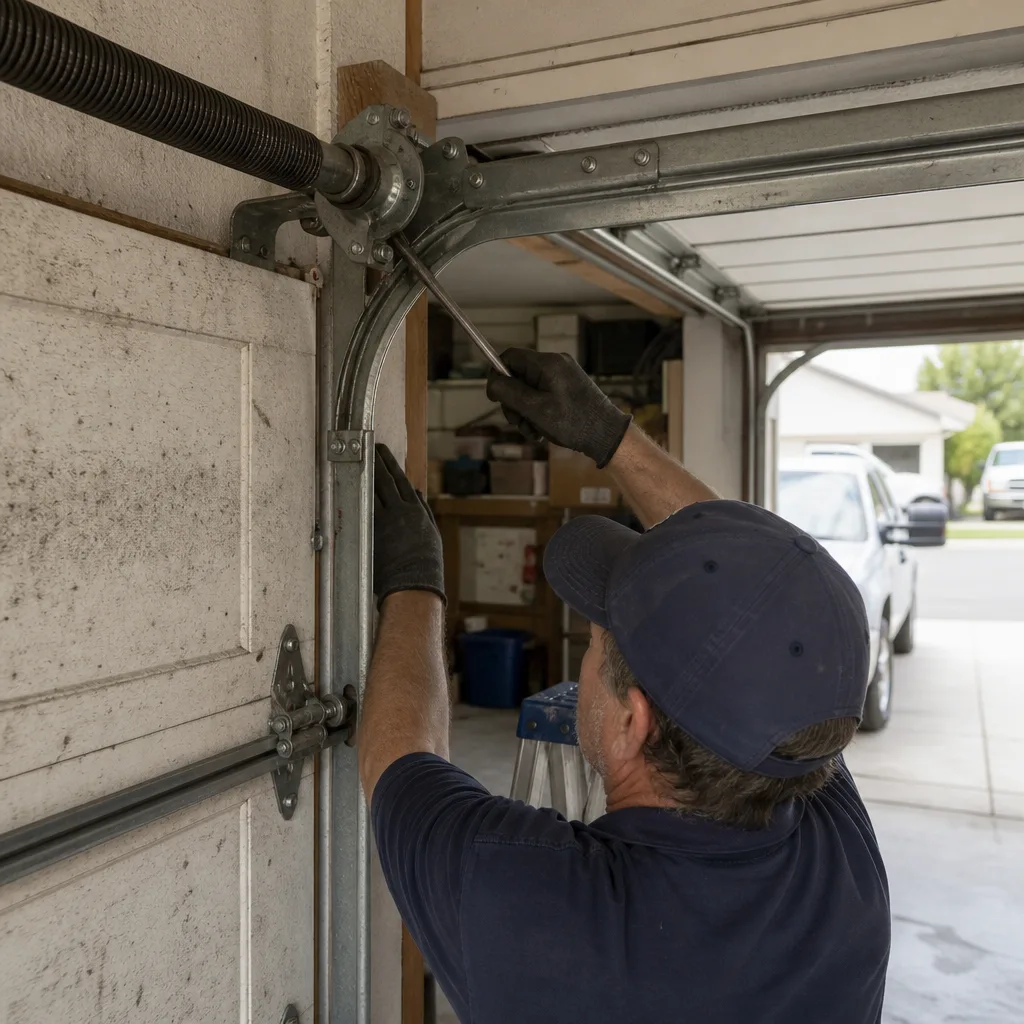 Before
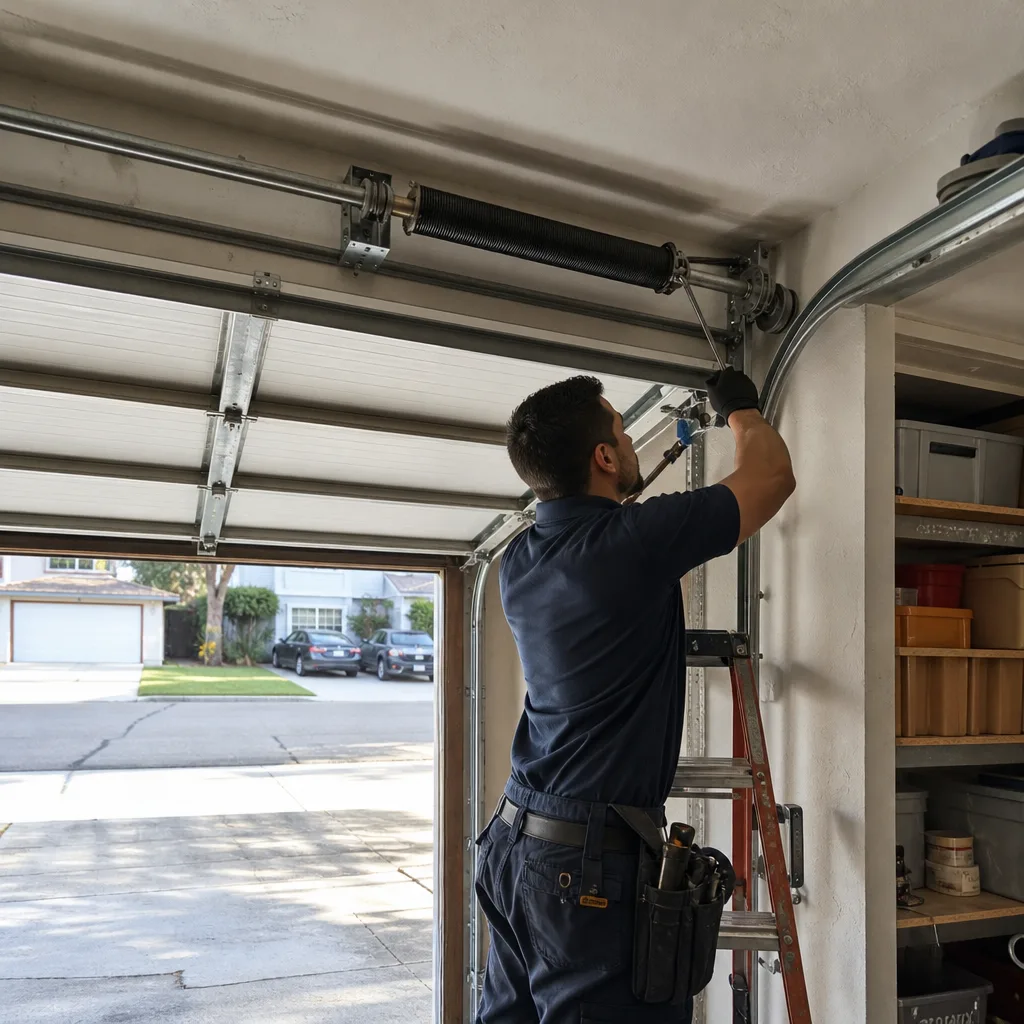 After
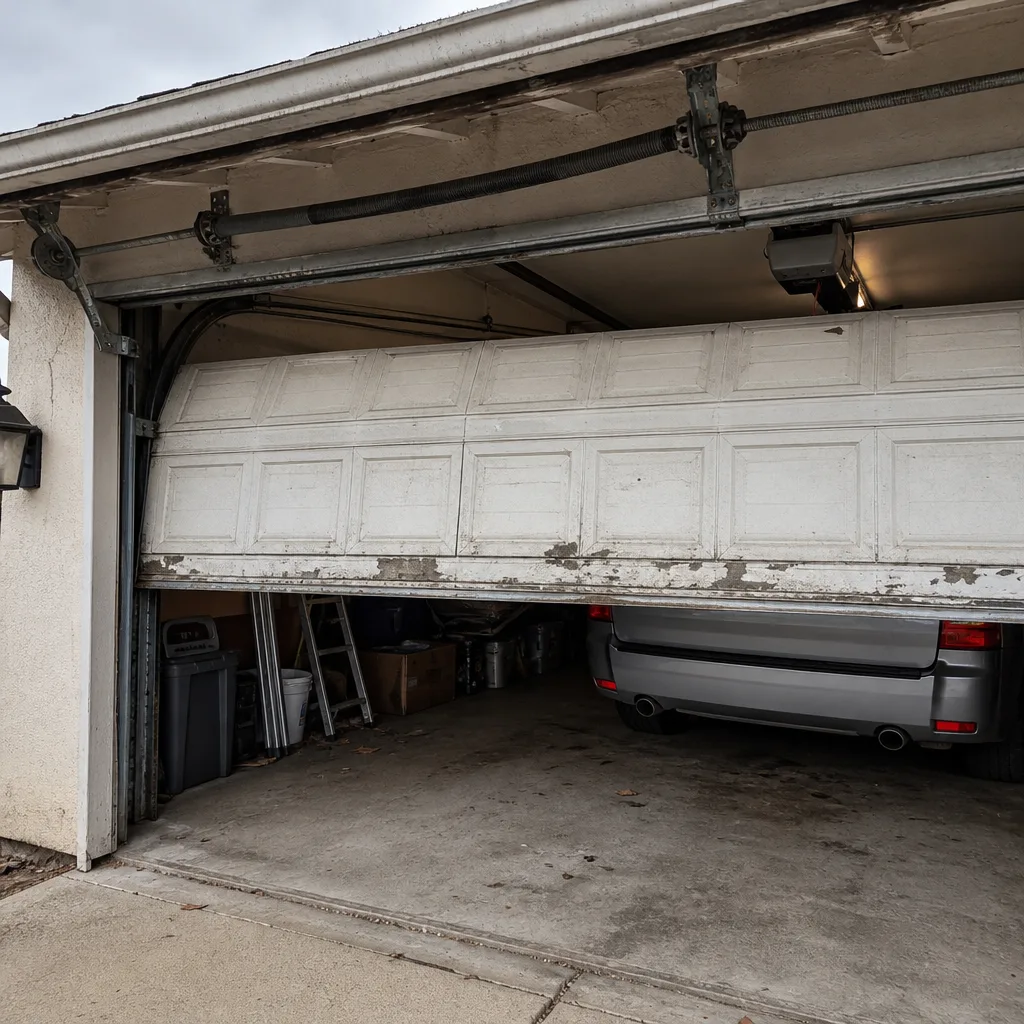 Before
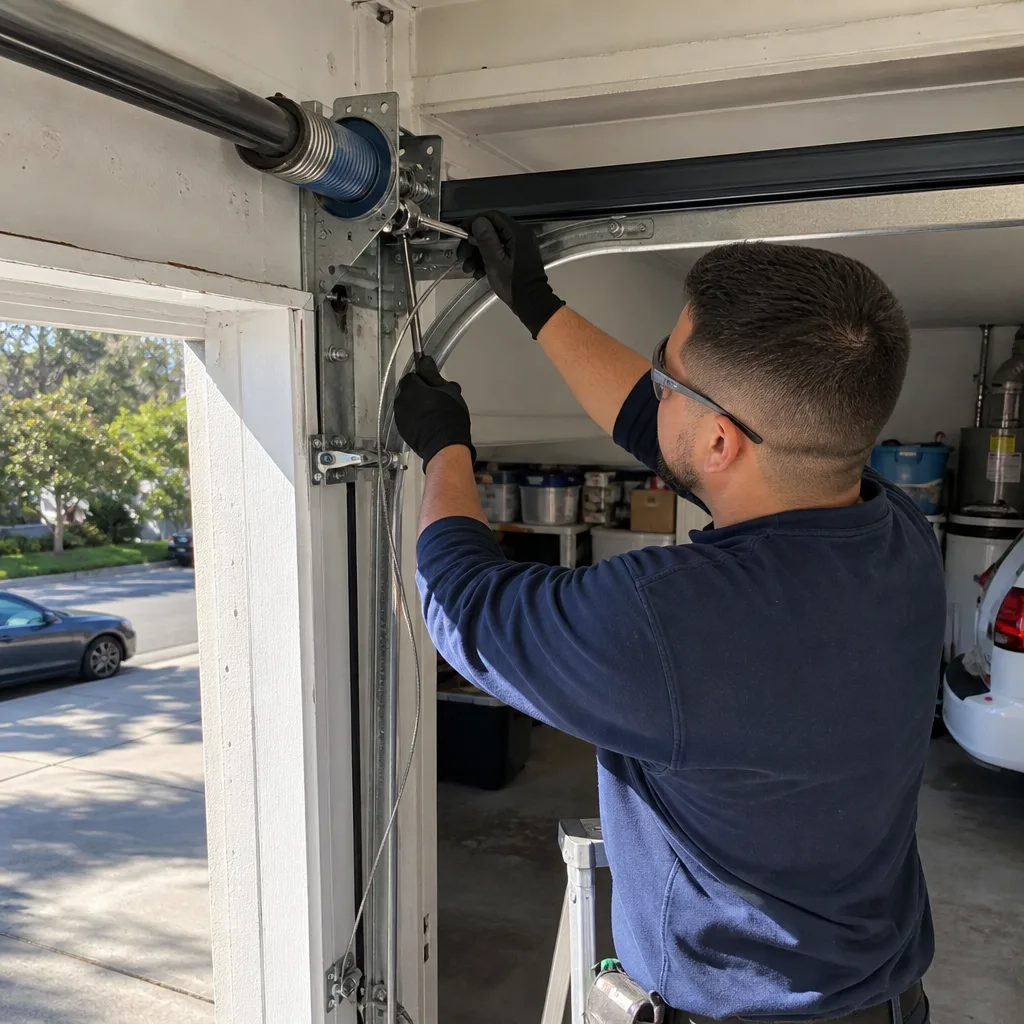 After
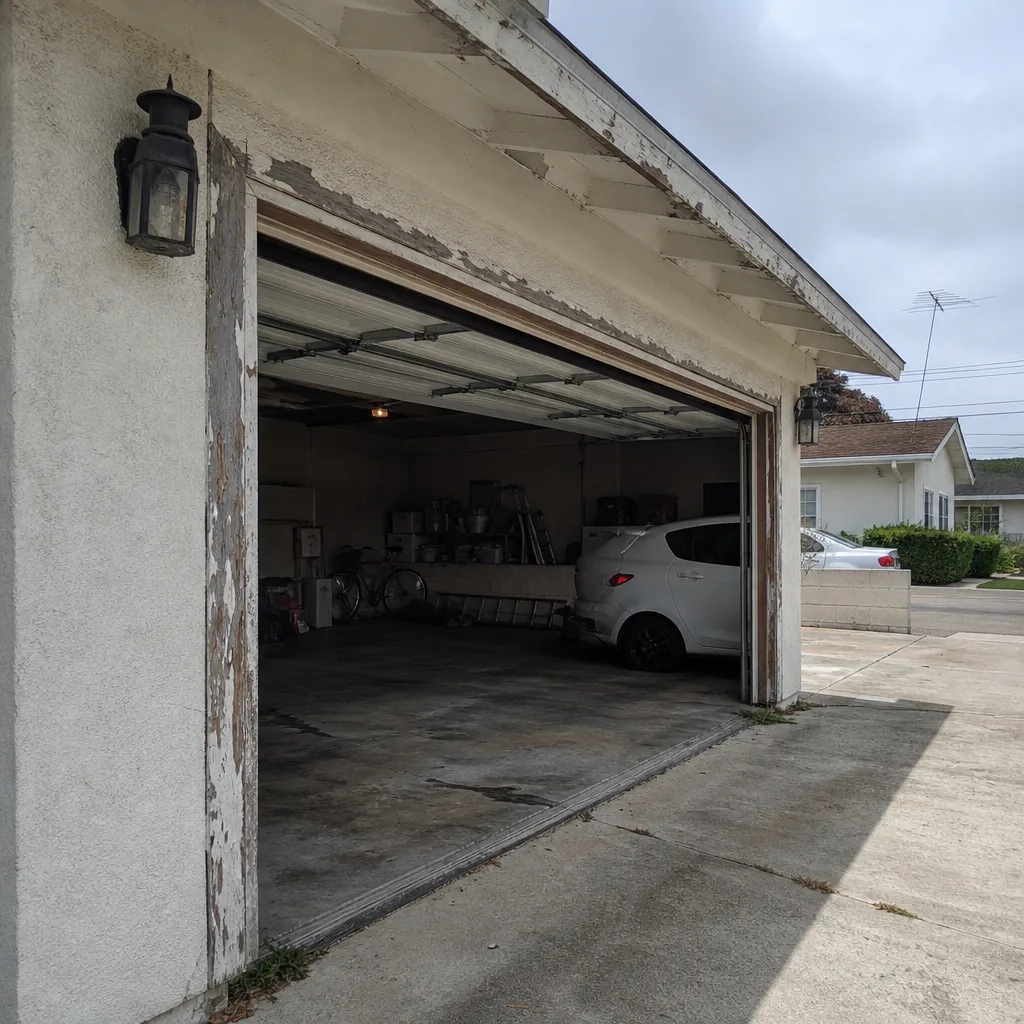 Before
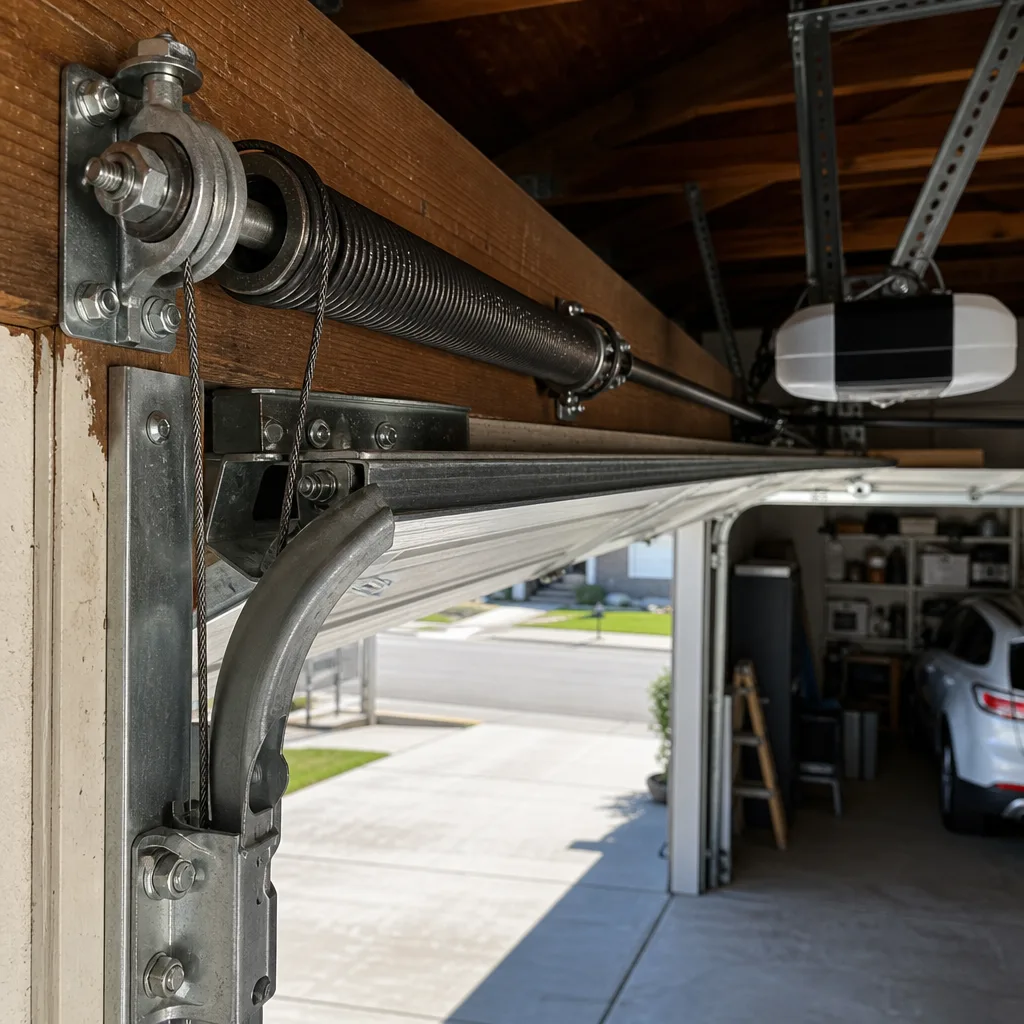 After
When to Call a Professional
Call a professional when the spring is broken, the door is off its track, the cables are frayed or snapped, or the opener won’t respond to any input. Also call when the door feels heavy to lift manually, when you hear grinding, or when the auto-reverse fails. These are not DIY repairs, and the cost of a mistake is measured in hundreds of dollars in damage or a serious injury. If you can’t identify the problem but the door won’t behave the way it did last week, that’s a call, not a guess. Garage Door Installation in Santa Fe Springs covers what full replacement looks like when a door has reached the end of its service life. Torrance Garage Door Service offers free estimates in Torrance – call (855) 341-7719.
Frequently Asked Questions
Stop using the door immediately and call a professional. Do not attempt to lift it manually, even with the opener disengaged – the full weight of the door is no longer counterbalanced, and it can drop suddenly. If the door is open, secure it with vise grips on the vertical tracks or cover the opening from inside. Then call (855) 341-7719 for a free estimate.
Yes, if the springs are intact. Pull the manual release cord (usually red) to disconnect the door from the opener, then lift it by hand. If the door feels heavy or won’t move, the spring has likely failed and you should stop. Test the manual release before you ever need it – Torrance power outages are common enough that you should know your door’s manual operation.
Most spring replacements run $180 to $340 including the part, depending on door weight and spring type. Opener logic board replacements are typically $180 to $300. Cable replacements run $150 to $250. Prices are quoted and agreed before any work starts, so the number you’re told is the number on the invoice. Call (855) 341-7719 for an exact quote – estimates are free.
Most spring replacements are completed in under two hours from arrival. Opener repairs depend on the part, but a stocked service vehicle handles the majority of common failures on the first visit. If you call before 2 p.m., same-day service is usually available in Torrance. Call (855) 341-7719 for current scheduling.
Sometimes. Power surges commonly blow the logic board, which means the opener will appear dead even though the motor is fine. Other times the surge only trips the GFCI outlet the opener is plugged into. Check the outlet first by plugging in a lamp. If the outlet is energized and the opener won’t run, the board is likely damaged. Call (855) 341-7719 for diagnosis.
We work on eight major garage door and opener brands: LiftMaster, Chamberlain, Genie, Clopay, Amarr, Wayne Dalton, Craftsman, and Raynor. We don’t tell you your system is out of scope. Opener problems on Craftsman and Chamberlain units are some of the most common calls we handle in Torrance. Call (855) 341-7719 to schedule.
The Bottom Line
A garage door emergency in Torrance is manageable if you’re prepared. Know where your manual release is and how it works on your specific opener. Test it monthly. Know how to secure a door that won’t close without damaging the track. Understand that a broken spring is a stop-usage situation, not a “lift harder” situation. Keep your door brand, opener model, and a symptom description ready before you call. And after any emergency, insist on a full inspection – spring balance, cables, tracks, opener force settings, and sensors – before the door goes back into daily service. Preparedness costs you ten minutes a month. The alternative costs you a day, a car, or a security breach. For more guides & resources on garage door care, visit our blog. If something doesn’t feel right with your door, call (855) 341-7719 for a free estimate.
Written by the team at Torrance Garage Door Service, serving Torrance since 2013.