Last updated October 31, 2026
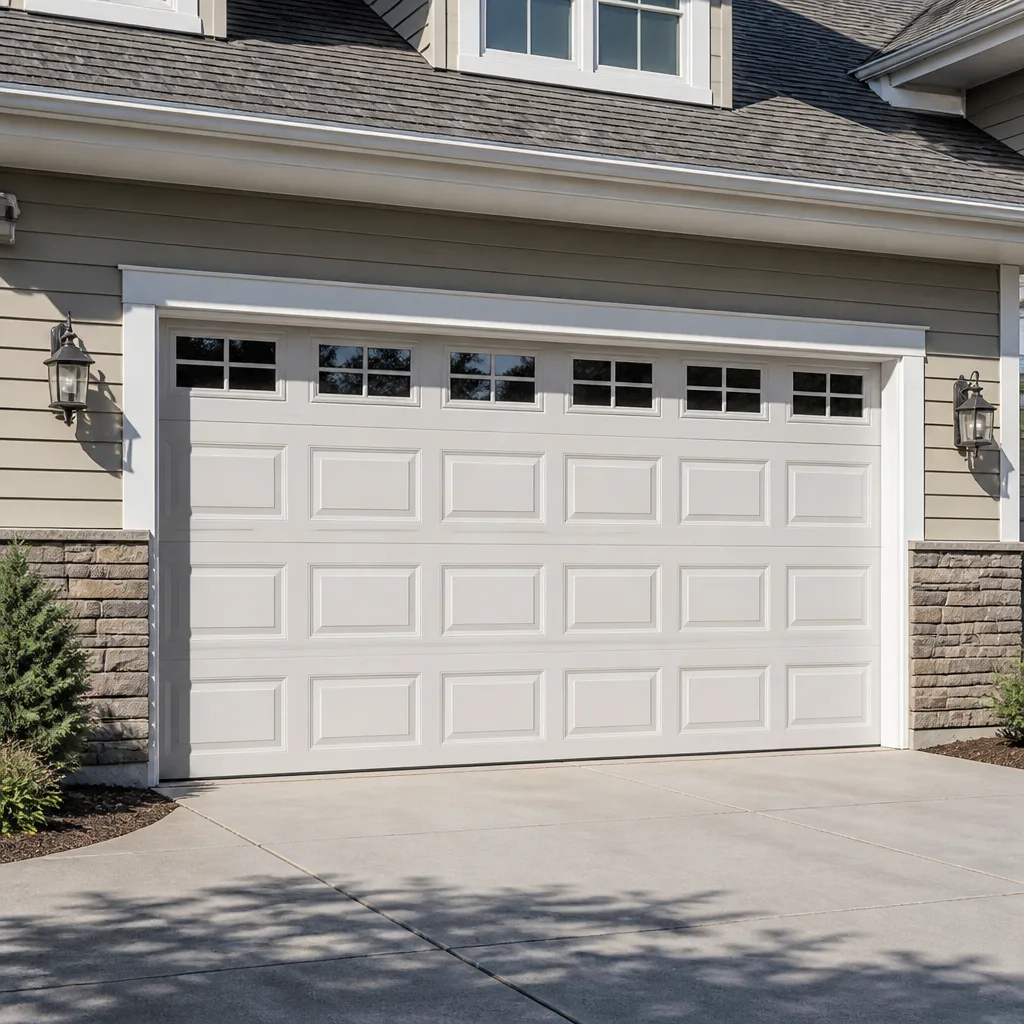 Raised-panel steel
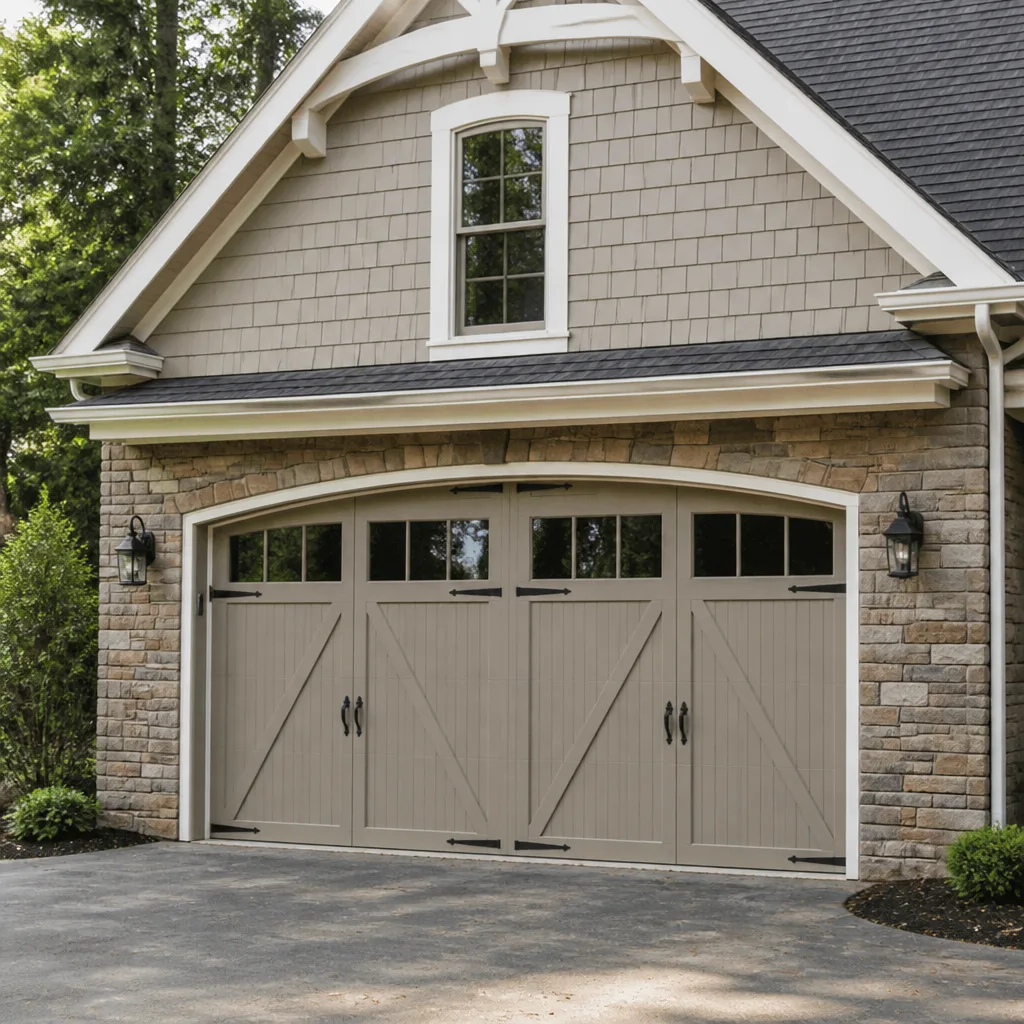 Carriage house
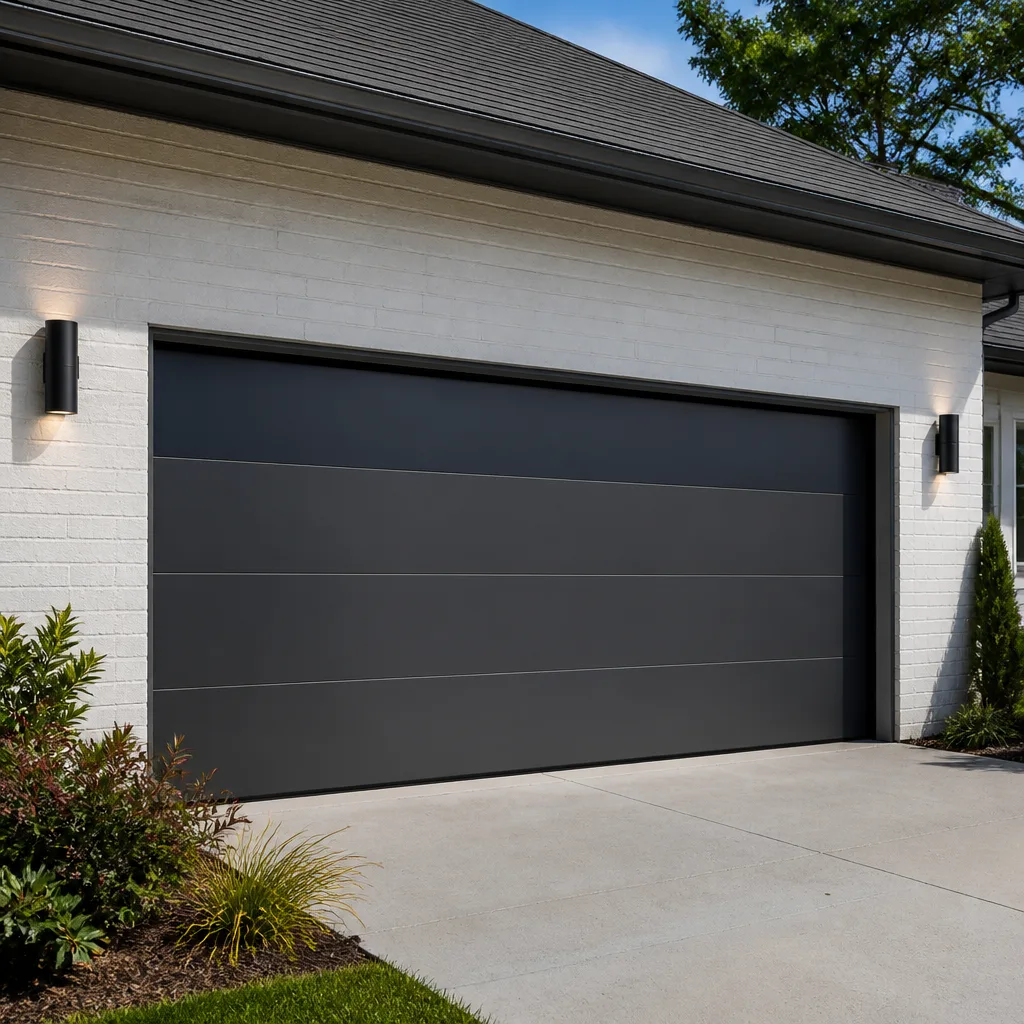 Modern flush
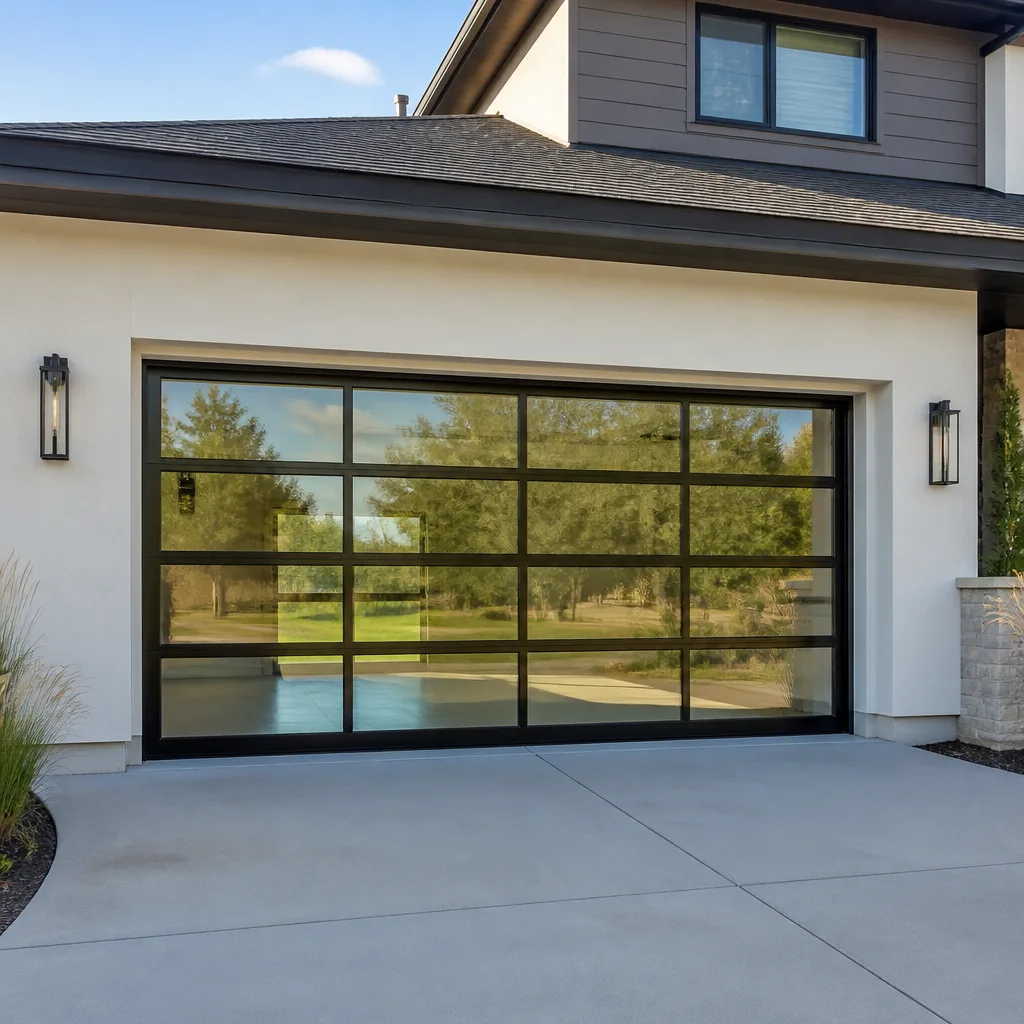 Full-view glass
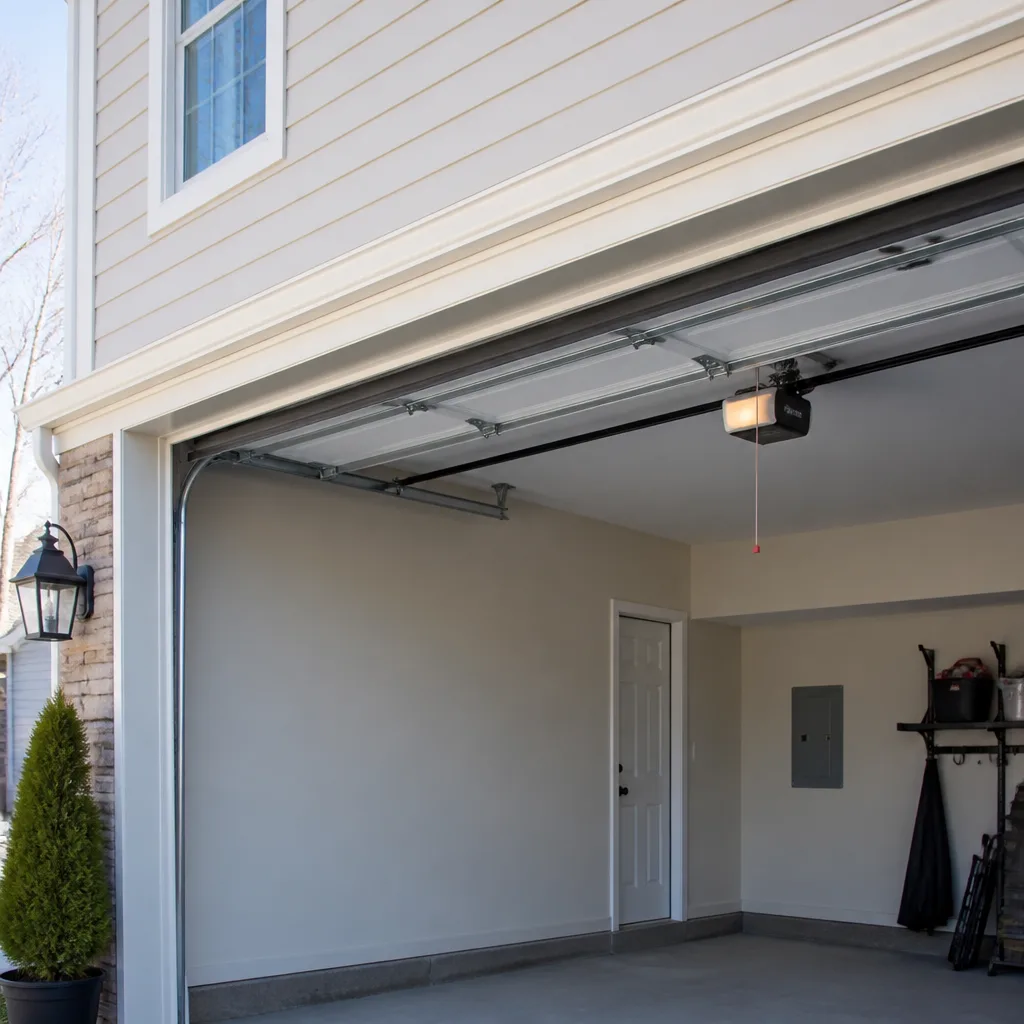 LiftMaster openers
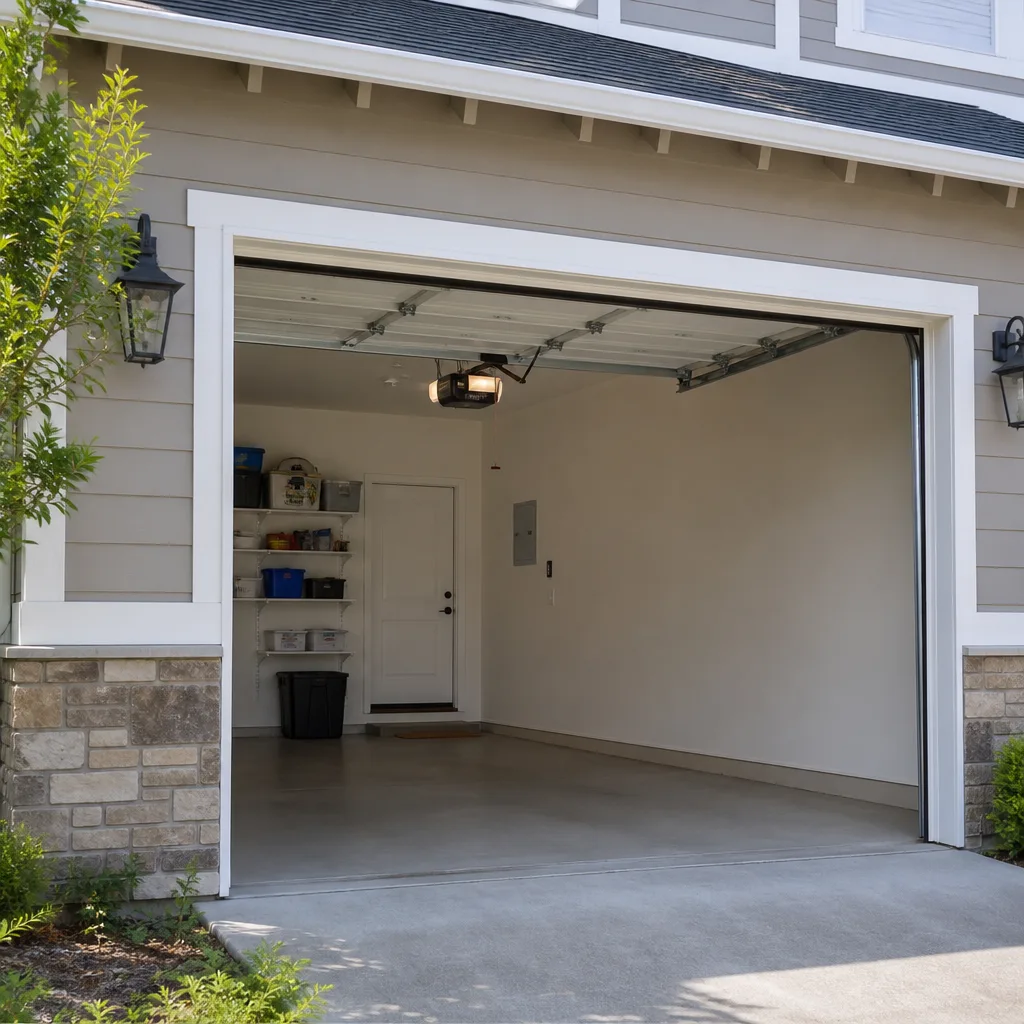 Chamberlain openers
Full 25-point door and opener safety check with every visit - springs, cables, rollers, tracks, and your LiftMaster or Chamberlain opener included
You get a price before we start. It does not change when the truck arrives.
Get your free estimateGarage Door Permits, Codes & Inspections in CA: What You Need to Know
Most homeowners assume a garage door is a garage door. Swap it, bolt it on, done. Then the resale inspection happens. In California, a simple panel replacement usually needs nothing. A full door replacement where the garage is attached to living space, with a new opener wired in? That’s a different conversation entirely, and the permit record from four years ago matters when escrow opens. This guide covers the actual thresholds, the fire-code details inspectors check, how Torrance and LA County layer their own amendments on state code, and what a legitimate contractor’s permit paperwork looks like. For more guides & resources on garage door work in the South Bay, see our blog. If you’re planning any garage door work in Torrance, we’ll help you avoid the expensive version of “nobody told me.”
Quick Answer
In California, garage door repairs (springs, panels, rollers, opener swaps) generally do not require a building permit. A full door replacement on an attached garage may require a permit when it changes the fire-rated separation between garage and living space, alters structural openings, or includes new electrical for the opener. Always verify with your local building department before work starts, because Torrance and LA County add amendments on top of the California Building Code. Our Garage Door Repair Maintenance Checklist for Torrance Homeowners can help you prepare for that conversation.
Styles & brands we work with
Table of Contents
- Repair vs. Replacement: Where the Permit Line Actually Sits
- Fire-Rated Garage Doors: What Inspectors Actually Check in California
- How Local Amendments Layer on Top of the California Building Code
- What Happens When a Non-Permitted Garage Door Replacement Surfaces at Resale
- How to Ask Your Contractor for Permit Documentation Without the Awkwardness
- Garage Door Opener Permit and Code Considerations
- Step-by-Step: The Permit Process for a Garage Door Replacement in Torrance
- What a Garage Door Permit Costs in California
Repair vs. Replacement: Where the Permit Line Actually Sits
The California Building Code (CBC), adopted statewide and amended locally, draws the permit line based on the scope of work, not the door itself. Here’s the practical breakdown we use every day in Torrance:
Work that does not require a permit in California:
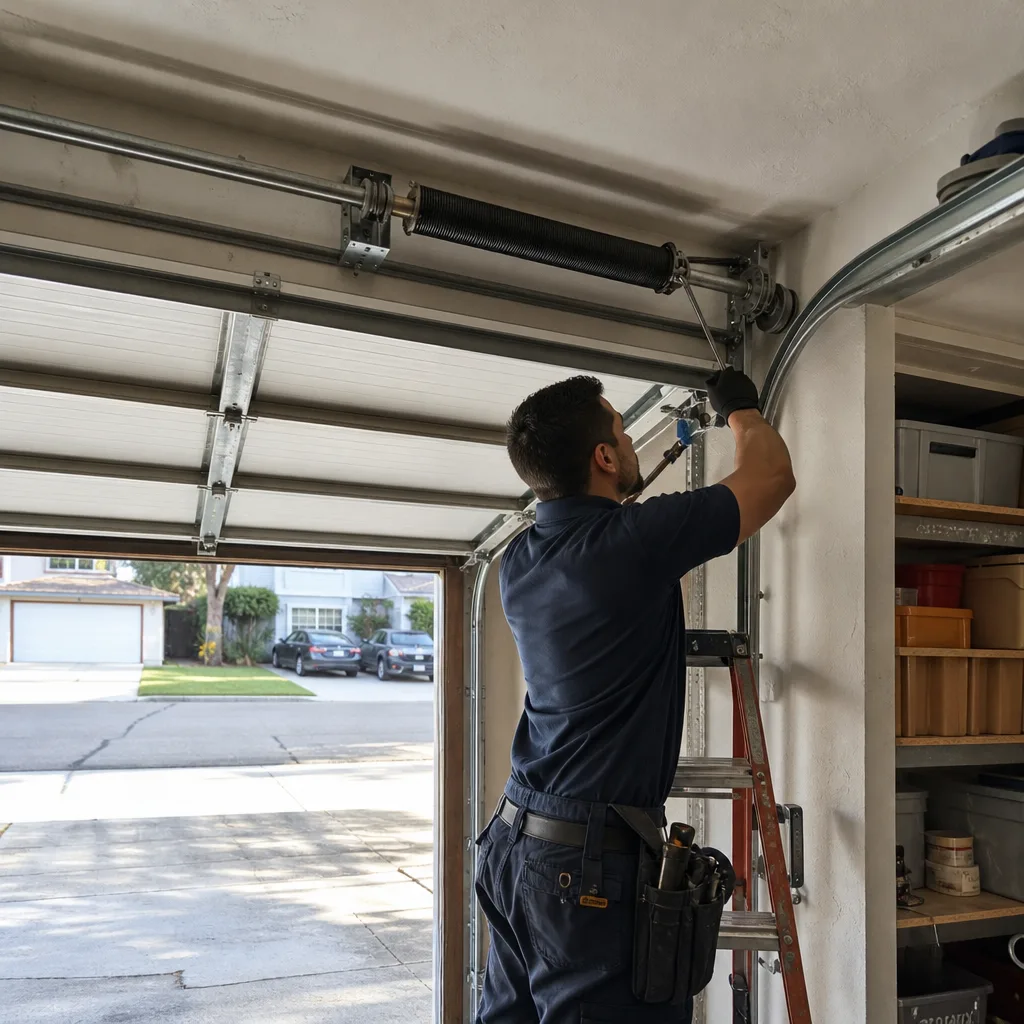
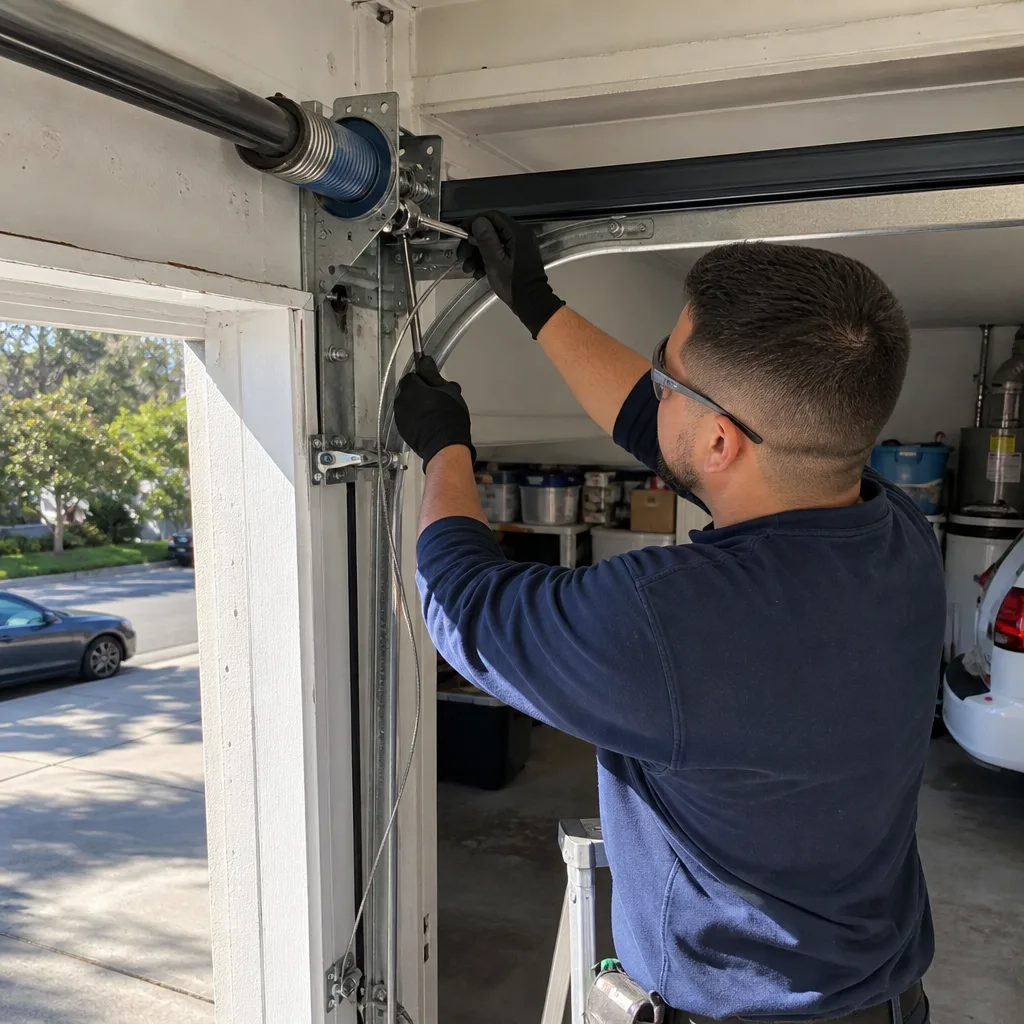
- Replacing broken springs, cables, rollers, hinges, or tracks on an existing door
- Swapping out individual panels (original door remains in place, frame unchanged)
- Replacing a garage door opener with a like-for-like unit using existing wiring and outlet
- Lubrication, alignment adjustments, weatherstripping replacement
- Replacing remote controls, keypads, safety sensors on an existing system
Work that may require a permit in California:
- Complete removal of an existing door and installation of a new door assembly
- Modifying the structural opening: widening, raising the header, removing support posts
- Replacing a door on an attached garage where the garage shares a wall or ceiling with living space (fire-rated separation requirements apply)
- Installing a new electrical circuit or outlet for a garage door opener
- Converting a non-garage space into a garage, or vice versa
What surprises most Torrance homeowners is how often a “replacement” is actually just a repair. If your door’s frame, mounting brackets, and structural perimeter stay intact and you’re replacing worn components, you’re in repair territory. The moment the opening changes size or the existing door gets torn out entirely, the city wants to know. In our experience with homes in South Torrance, the difference between repair and replacement comes down to whether the work touches the structural opening or the fire-rated assembly. If either gets touched, assume a permit conversation is coming.
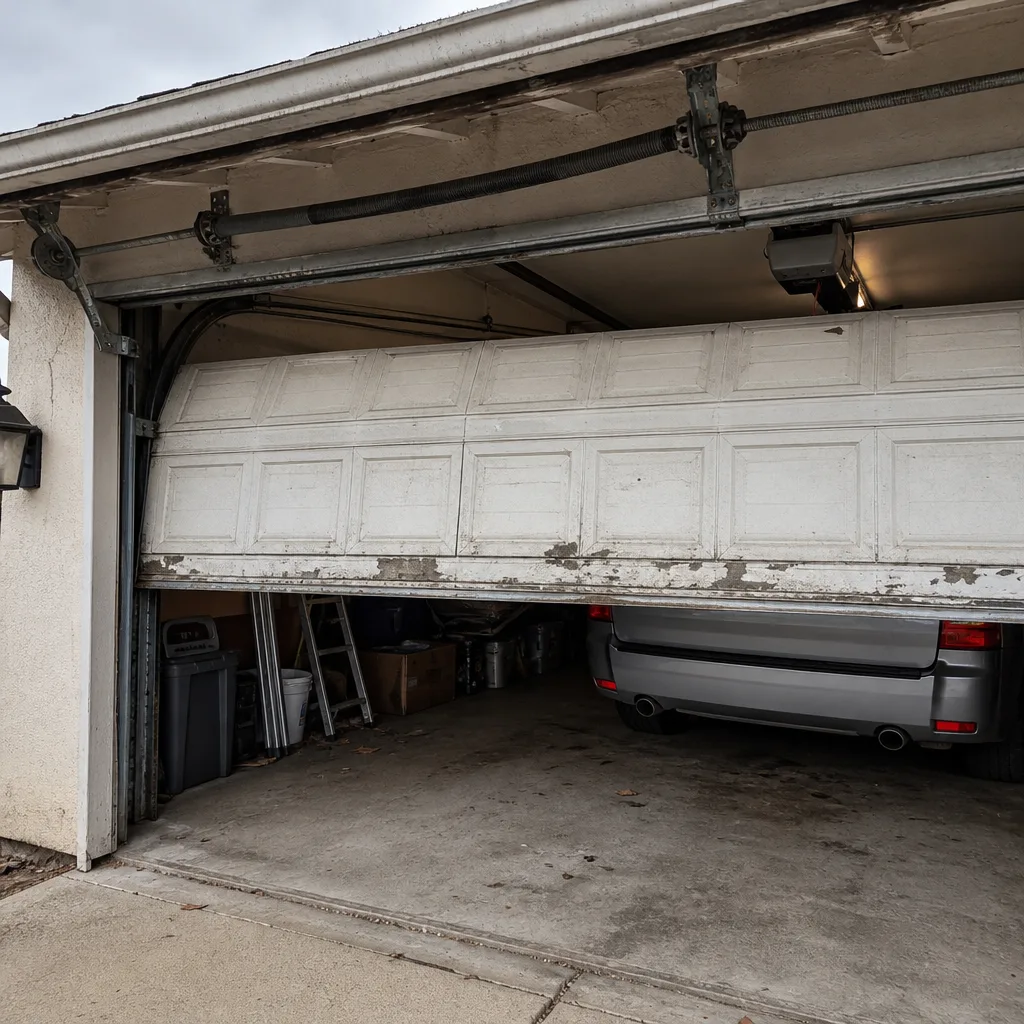
One more nuance: even when a permit is not technically required, some work still needs to meet code standards. A door that’s misaligned because a track was bent puts excessive load on the springs. Replacing springs on a door that’s out of spec because the track was compromised isn’t a code-compliant fix, permit or not. That’s why we always inspect the full door system before doing spring work.
Fire-Rated Garage Doors: What Inspectors Actually Check in California
The fire-rated separation between an attached garage and living space is the part of the California Residential Code (CRC) that catches people at resale. Here’s what the code requires and what inspectors in Los Angeles County actually verify:
California’s residential fire code mandates that an attached garage be separated from the home by a fire-rated assembly. The garage door itself plays a role in this assembly. Specifically, inspectors check for:
- Door construction and listing: The door must be listed or tested to resist fire penetration. Most steel doors from manufacturers like Clopay, Amarr, and Wayne Dalton carry the appropriate UL listing. Inspectors check the door’s edge label for the manufacturer name and listing information.
- Self-closing hardware: In some jurisdictions, garage doors on attached garages require a self-closing device. This is more common in commercial settings, but some LA County inspectors enforce it on newer residential construction or when a variance is involved.
- Proper weatherstripping and threshold: Fire-rated separation isn’t just the door panel. The perimeter seal matters too. Gaps at the bottom corners or sides can fail an inspection because the assembly is only as good as its sealing.
- Door-to-house openings: Any door or ductwork between the garage and home must be fire-rated. The garage vehicle door itself sits in this assembly, and a non-rated replacement door weakens it.
Here’s the practical issue we see in Torrance: a homeowner replaces their original 1980s wood door with a modern steel door from a company like Raynor or Amarr, often missing the Garage Door Warning Signs: A Torrance Homeowner’s Reference Guide indicators that fire-rated details matter. The new door is better in every functional way. But if the original install included a specific fire-rated edge system that the new door doesn’t replicate, a strict inspector can flag it at point of sale. The fix is usually straightforward: adding the correct perimeter seal or replacing a missing fire label. But the cost, time, and stress land during escrow, which is the worst possible moment.
The best advice we can offer is to ask your door installer about the fire-rated listing before the door goes in. A specialist who knows the code will already have the answer. If we’re installing a door on an attached garage in Torrance, that’s one of the first things we verify, because we don’t want our customers sitting across from a resale inspector explaining why the door label is missing.
How Local Amendments Layer on Top of the California Building Code
California isn’t a single code environment. The state adopts the California Building Code (CBC) and the California Residential Code (CRC) as the baseline, but every city and county can amend them. Torrance and Los Angeles County both have local amendments that affect garage door work.
Here’s what we’ve had to account for in Torrance specifically:
- Seismic anchoring: Southern California seismic provisions are stricter. Garage door opening framing, header supports, and track mounting may be subject to additional anchoring requirements in Torrance compared to, say, Sacramento. A full door replacement often triggers a check on how the header is supported and anchored.
- Setback and zoning reviews: If a replacement changes the door’s swing profile, depth, or exterior projection, the planning department may want a zoning check, even if the building department doesn’t require a full plan review.
- Electrical: dedicated circuit requirements: Some LA County inspectors enforce a dedicated circuit for garage door openers on new installations. If you’re replacing a 1970s opener running on a shared circuit, adding a dedicated line can become part of the permit scope.
- Local fire district overlays: Areas near the Torrance hills and the Palos Verdes edge have fire district requirements that affect exterior door materials and cladding.
How do you verify current requirements before work starts? Two practical steps.
- Call the Torrance Building & Safety Division. Ask specifically: “I’m replacing a garage door on an attached single-family home. Does the scope trigger a permit, and what code year are you enforcing?” Write down the answer and the name of the person you spoke with.
- Ask your contractor to confirm in writing. A provider who works in Torrance regularly should know the local amendments without having to call and should be willing to put their permit determination in writing before work begins.
Local amendments change. The 2025 California code cycle brought updates, and LA County has been revising its fire hazard overlays. What was true in 2022 may not be true today. This is precisely why we recommend verifying rather than assuming, especially on an attached garage door replacement.
What Happens When a Non-Permitted Garage Door Replacement Surfaces at Resale
The practical downside of skipping a permit is not a theoretical fine that never comes. It surfaces at the two moments you least want it: selling your home and filing an insurance claim after damage.
At resale:
When a buyer’s home inspector sees a garage door that doesn’t match permit records (or confirms no permit was ever pulled for a door that needed one), it goes into the inspection report. The buyer’s lender may require the permit issue to be resolved before funding. That means retroactively pulling a permit, paying double permit fees in some jurisdictions, and possibly bringing the door into compliance with current code, not the code from when it was installed. If the door doesn’t meet today’s fire-rated requirements, you may be replacing a perfectly functional door. We’ve seen this play out in Torrance escrows, and it’s the worst time to have the conversation because your leverage is gone.
At insurance claim time:
If a garage door is damaged by fire, earthquake, or vehicle impact, the insurer has the right to review whether the door was properly permitted. A non-permitted replacement that doesn’t meet fire code can become grounds for a claim dispute, particularly in a fire loss where the garage door is part of the fire separation. We’re not insurance professionals, but we’ve had customers ask us to provide documentation after the fact because an adjuster asked for proof the work was done to code. If that proof doesn’t exist, the claim can stall.
The frustrating part: most non-permitted garage door replacements happen with a contractor who told the homeowner “you don’t need a permit for that.” For a panel swap, that’s probably true. For a full door replacement on an attached garage, it often isn’t. The contractor is gone. The homeowner is holding the bag at escrow.
How to Ask Your Contractor for Permit Documentation Without the Awkwardness
Most homeowners don’t want to seem difficult by asking a contractor about permits. Here’s what we tell our clients: a legitimate specialist expects this question and answers it directly. A contractor who gets defensive, vague, or dismissive is telling you something useful before you hand them money.
Here’s a script that works, word for word:
“Before we sign anything, can you tell me whether this job triggers a building permit in Torrance? If it does, can you confirm you’ll pull it and include the permit fee in the quote?”
A legitimate contractor’s answer sounds like one of these:
- “Yes, this is a full replacement on an attached garage, so we’ll pull a permit from Torrance Building & Safety. It’s $[amount] and takes [time frame]. We’ll handle the inspection scheduling.”
- “No permit is required for this because we’re only replacing springs and cables on an existing door. Here’s the phone number for the building department if you’d like to confirm independently.”
- “This is a gray area. Let me call the building department and get a written determination before we schedule work. I’ll email you what they say.”
An answer that should give you pause sounds like:
- “You don’t need a permit for garage doors.” (Said flatly, without distinguishing repair from replacement, this is often wrong.)
- “If we pull a permit, it’ll add weeks and cost thousands.” (Permits for garage doors in California are typically processed within days to two weeks and cost a few hundred dollars.)
- “No one actually pulls permits for this.” (They do. We do.)
We’ve worked with Torrance homeowners who’ve had this exact conversation. The ones who asked ended up with clean paperwork. The ones who didn’t became the story in the resale section above.
Garage Door Opener Permit and Code Considerations
Garage door openers get less attention than the door itself, but they carry their own code considerations. The biggest one is electrical. If you’re installing a new opener and you can plug it into an existing dedicated outlet, no permit is typically needed in California. If you’re adding a new outlet or wiring a dedicated circuit, the electrical work generally requires an electrical permit.
New openers must also meet current safety standards. The UL 325 standard for automatic gate and door operators requires entrapment protection: a functioning auto-reverse mechanism and non-contact sensors (the photo eyes near the floor). In California, inspectors and manufacturers both treat these as non-negotiable. An opener installed without functioning safety sensors is not code-compliant and creates real injury risk, especially for children.
This is also where the complexity of modern openers matters. A LiftMaster, Chamberlain, Genie, or Craftsman smart opener with battery backup and Wi-Fi connectivity needs correct power and correct sensor wiring. The mechanical door and the electrical opener are two different code domains, and a general handyman who’s comfortable with the mechanical side may not be comfortable with the electrical side. We work across both: our opener repair and installation team handles the electrical and safety components as part of a dedicated service, not as an add-on. For homes in Santa Fe Springs and surrounding areas, this matters because older construction often has shared circuits and outdated outlets that need evaluation before a modern opener goes in.
Step-by-Step: The Permit Process for a Garage Door Replacement in Torrance
If your replacement does trigger a permit, here’s the actual process in Torrance. This is how it works with our team, and it should look similar with any legitimate provider.
- Scope determination. We assess the existing door, opening, and electrical. We determine whether the work is repair (no permit) or replacement (possible permit). If replacement, we check the fire-rated assembly and structural opening.
- Permit application. We or the homeowner submit a permit application to Torrance Building & Safety. The application includes the door specifications from the manufacturer (Clopay, Amarr, Wayne Dalton, Raynor, or another listed brand), install details, and if electrical is involved, a basic circuit description.
- Permit issuance. Garage door permits in Torrance are typically issued within a few days to two weeks. Fees vary by job but generally run in the low hundreds of dollars for a standard single-door replacement.
- Installation. The door goes in according to the manufacturer’s installation instructions and the California Residential Code. Fire-rated integrity is preserved: proper perimeter seal, proper edge labels, no gaps at corners.
- Inspection. A Torrance building inspector comes out and verifies the installation. They check the door label, the fire-rated separation, structural anchoring, and the opener’s electrical and safety sensor setup if applicable.
- Final approval and documentation. The inspector signs off. The homeowner receives the permit documentation. Keep it with your home records. You will want it at resale.
One thing we’ve noticed over the years: Torrance inspectors are thorough but fair. If the work is done right, the inspection is quick. If corners were cut, the inspector will find them, and the correction orders will come. The best outcome is to do it right the first time and use the inspection as confirmation rather than a gamble.
What a Garage Door Permit Costs in California
Permit costs vary by jurisdiction, but for budgeting purposes in the Torrance and LA County area, expect to pay in the $100 to $400 range for a standard single-car garage door replacement permit. Double-door conversions or structural opening changes cost more. Electrical permits for new circuits add $50 to $200 depending on scope. Plan-check fees if custom plans are required can add another $150 to $300 in rare cases.
Here’s the blunt math. A permit fee of $200 protects a $2,500 door replacement. If you skip it and the resale inspection flags the door, you could be looking at reinstallation costs of $1,500 to $3,500 to bring it to current code, plus escrow delays that sometimes kill deals entirely. The economics aren’t close.
Common Mistakes to Avoid
- Treating the contractor’s word as a permit determination. Contractors are not code officials, however experienced. If a contractor says “no permit needed,” ask them to put that in writing and to cite the code section or a building department confirmation. If they won’t, call the city yourself.
- Assuming “replacement” automatically means “permit.” A panel swap, spring replacement, or track replacement is repair work and typically needs no permit. Don’t over-complicate simple work, but don’t under-complicate full replacements.
- Skipping the fire-rated conversation entirely. On attached garages, the door is part of a fire-separation assembly. Installing a non-listed door or skipping the perimeter seal work saves a little money now and creates a resale problem later.
- Throwing away manufacturer labels. The edge label with the door’s listing information is what inspectors check. Don’t let an installer remove or paint over it. This is a small thing that causes big inspection failures.
- Not keeping permit documentation. Final inspection approval should live in a file with your homeowner records. Ten years later at resale, you’ll want it.
- Burying electrical work inside a “door replacement.” If your project includes adding an outlet or a circuit for the opener, that’s an electrical permit, not just a building permit. Don’t assume the door permit covers it.
- Choosing the cheapest contractor and inheriting their permit shortcuts. We’ve picked up the pieces after unpermitted work failed inspection. Once the cheap contractor is gone, you own the problem. A door replacement is a structural and fire-safety item, not a bargained commodity.
See the difference
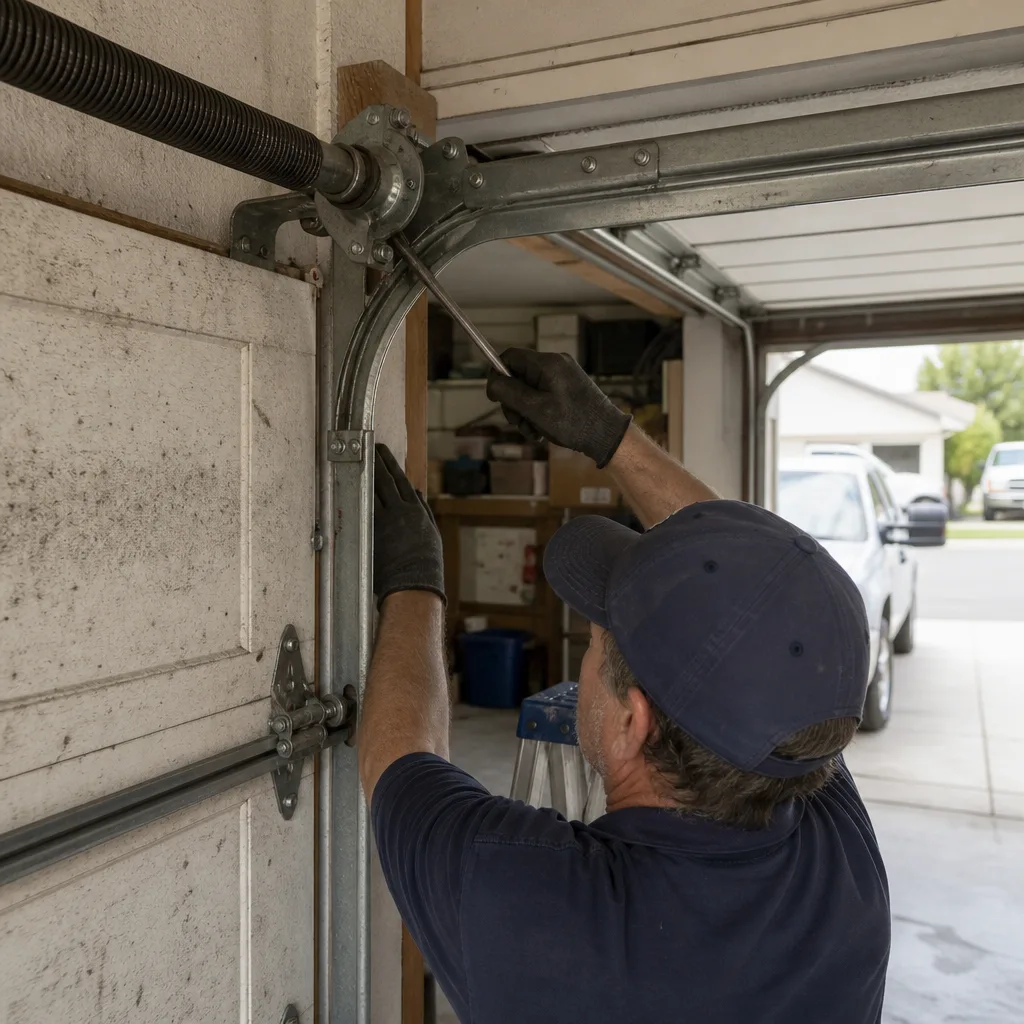 Before
 After
 Before
 After
 Before
 After
When to Call a Professional
If your garage door work involves a full replacement on an attached garage, anything touching the structural opening, new electrical for the opener, or a door you’re being told “doesn’t need a permit” by someone who won’t put it in writing, call a specialist. These are not projects to gamble on. Torrance Garage Door Service offers free estimates in Torrance and will give you a straight answer on whether your specific job needs a permit, what it’ll cost, and how long the inspection will take. Call (855) 341-7719 or visit Garage Door Installation in Santa Fe Springs to schedule an estimate.
Frequently Asked Questions
No permit is typically required to replace a garage door opener with a like-for-like unit using an existing outlet, unless new electrical wiring or a new circuit is being added. If you’re installing a new outlet or dedicated circuit for the opener, the electrical portion requires a permit. New openers must also meet UL 325 entrapment-protection standards, which means functioning auto-reverse and safety sensors are required even when no permit is needed. Call (855) 341-7719 for a free estimate on your opener replacement.
Full garage door replacements on attached garages, any work modifying the structural opening, and new electrical circuits for openers all typically require permits in Torrance. Repairs like spring, cable, roller, track, and panel replacement on an existing door do not. The safest approach is to call Torrance Building & Safety or ask a licensed contractor to confirm in writing before work starts.
Garage door permits in California typically cost between $100 and $400 for a standard single-door replacement, with additional fees for electrical work or plan review when needed. Torrance-specific fees follow this general range. The permit cost is small compared to the risk of an unpermitted installation surfacing at resale, where bringing a non-compliant door to current code can cost ten to twenty times the original permit fee.
An unpermitted garage door replacement commonly surfaces during the buyer’s home inspection at escrow. Your leverage is gone, the buyer can demand a credit or repair, and some lenders will not fund until the permit issue is resolved. In some cases, you’ll pay double permit fees retroactively and may need to bring the door into compliance with today’s code, even if the old door was legal when installed. If the door is on an attached garage and lacks proper fire-rated listing, the inspector may require replacement.
Yes. California operates under UL 325, which requires all automatic garage door openers to have functioning entrapment protection, including non-contact safety sensors near the floor and auto-reverse. An opener installed without working safety sensors is not code-compliant and creates a serious injury risk. If you’re unsure whether your sensors are functioning correctly, Garage Door Repair in Santa Fe Springs and our Torrance team can inspect them during a service call.
Newer construction often requires a dedicated circuit for garage door openers, especially in LA County jurisdictions. In older Torrance homes, openers are commonly found on shared circuits, which is generally grandfathered in for existing installations. If you’re adding a new opener to a home that never had one, or adding a new outlet, you may need an electrical permit and a dedicated circuit. The motor load from modern smart openers with battery backup is higher than older units, so we evaluate the circuit before recommending a replacement.
The Bottom Line
The permit question in California is not a yes or no answer; it’s a scope-of-work answer. Panel swaps, spring replacements, and track repairs are not permit events. Full door replacements on attached garages, structural opening changes, and new opener wiring often are. The consequences of getting it wrong land at resale and insurance claim time, when your leverage is gone and the costs compound. Verify with Torrance Building & Safety before work starts, ask your contractor to confirm permit requirements in writing, keep your documentation, and don’t let anyone remove the fire-rating labels from your door. These steps cost almost nothing and save real money later. If you’re unsure about your specific job, call (855) 341-7719 and we’ll give you a straight answer and a free estimate, whether the work turns out to be a repair or a full replacement.
Written by the team at Torrance Garage Door Service, serving Torrance since 2013.