
Last updated October 31, 2026
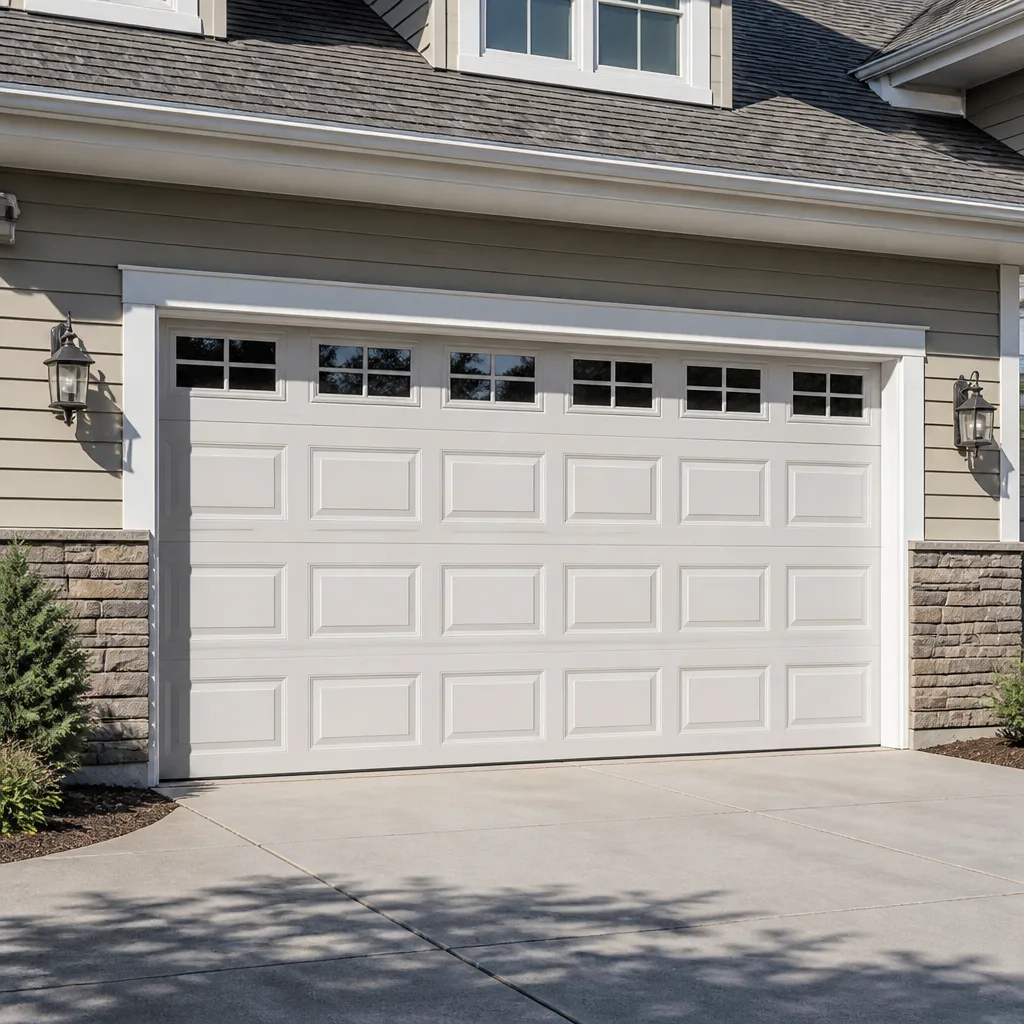 Raised-panel steel
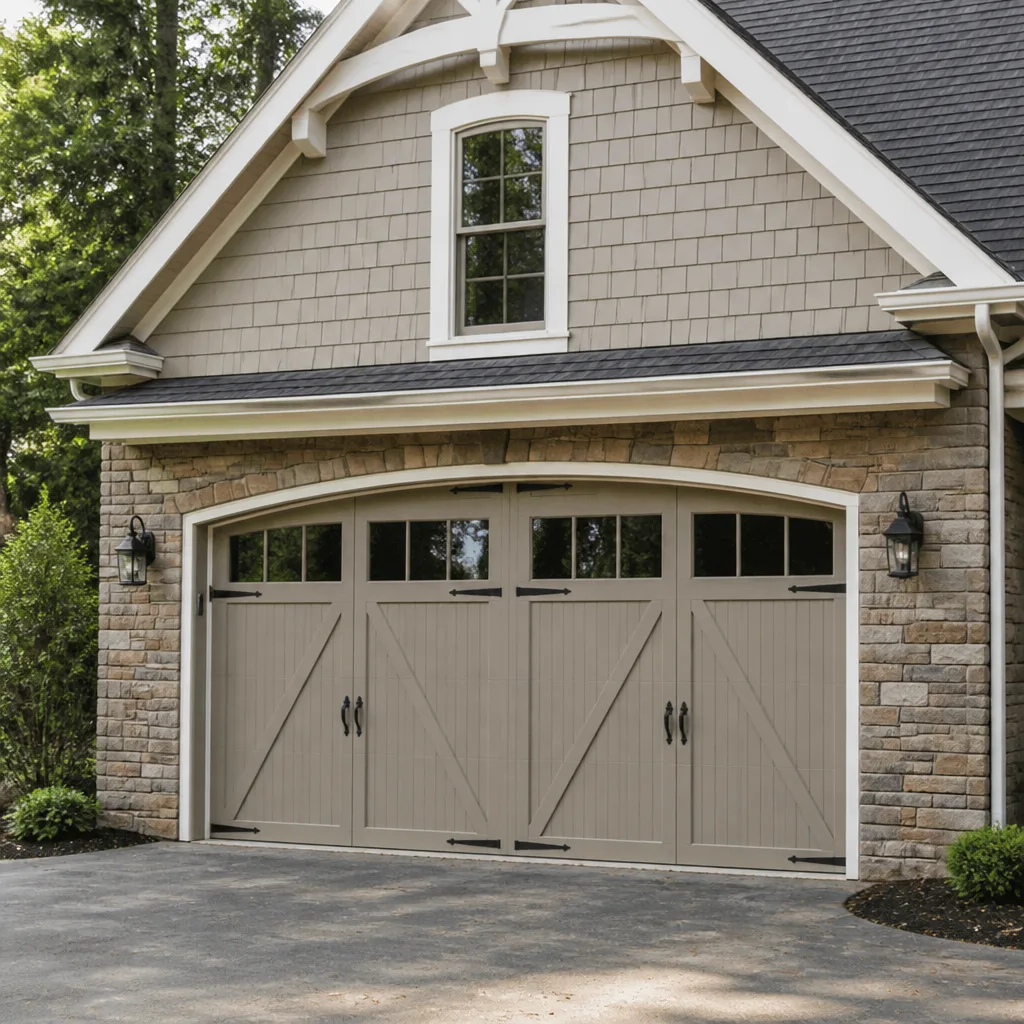 Carriage house
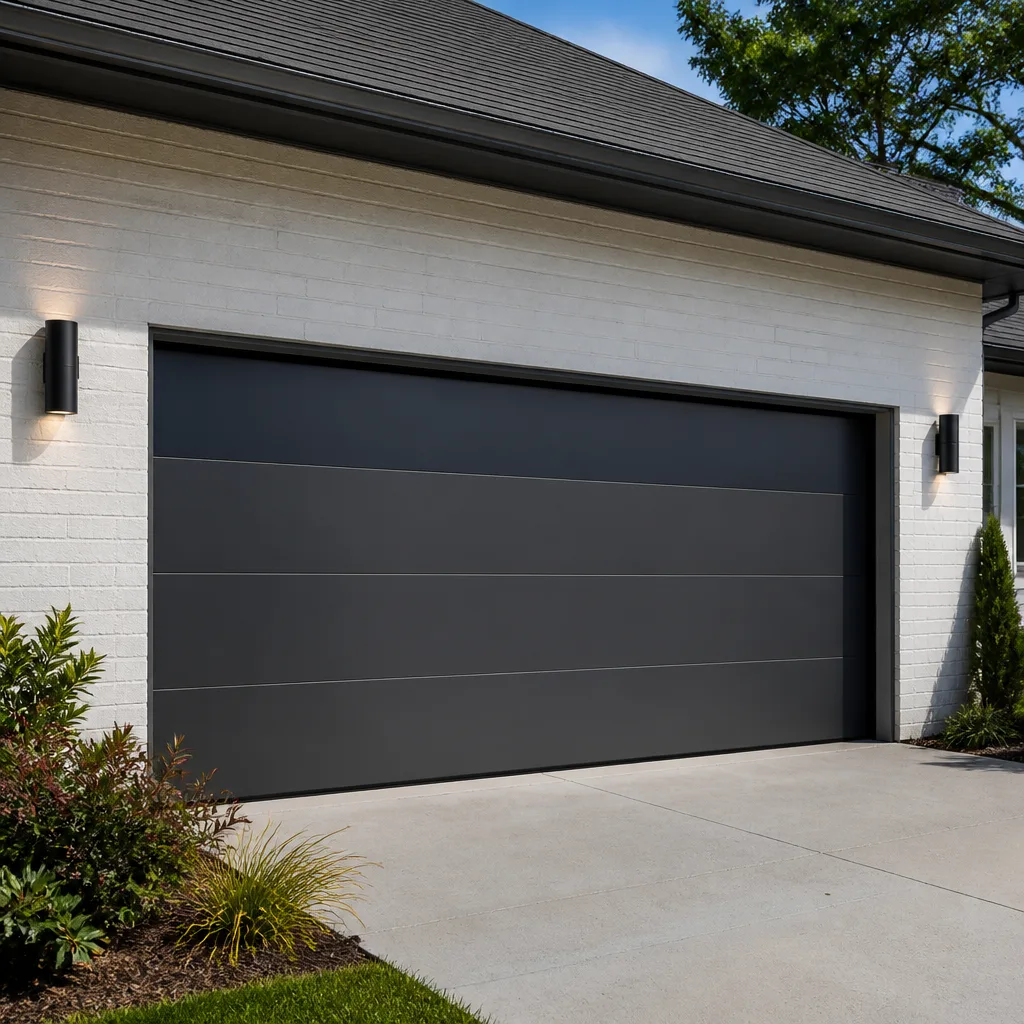 Modern flush
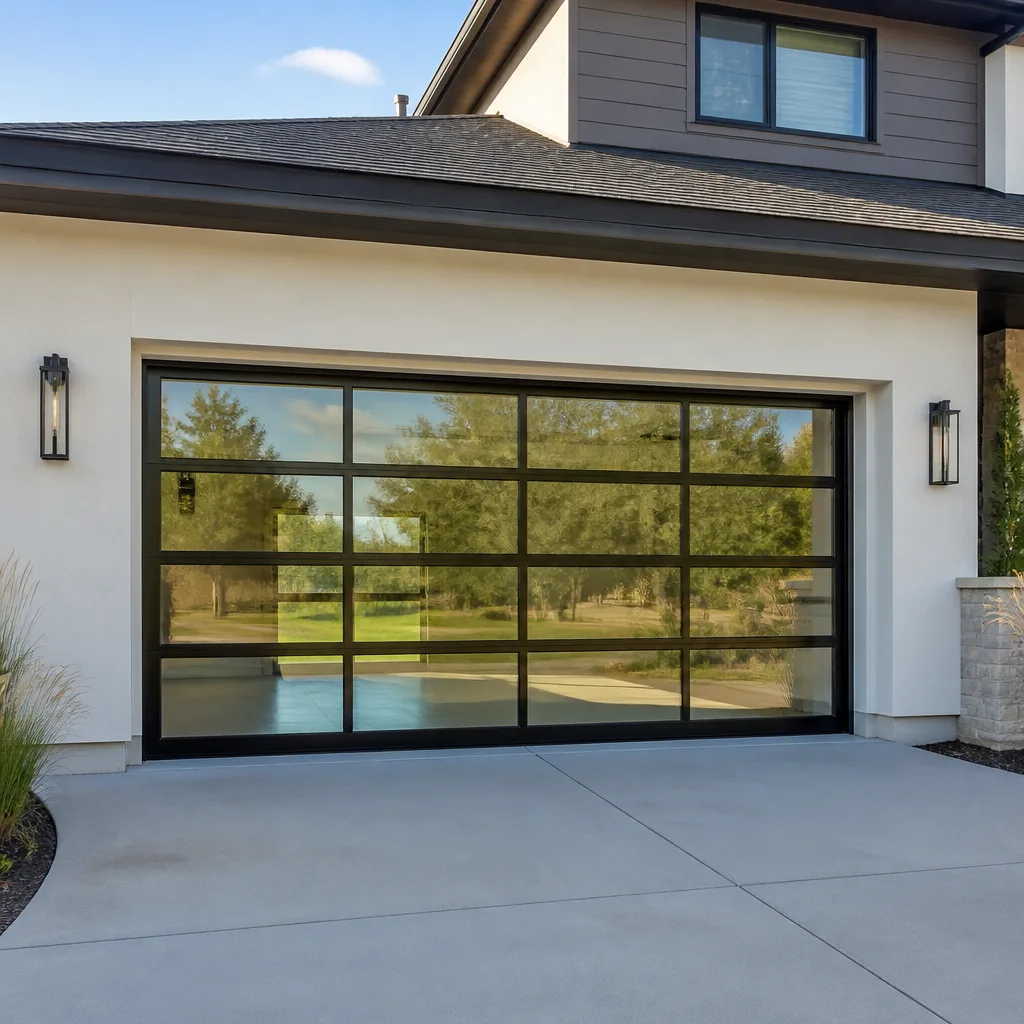 Full-view glass
 LiftMaster openers
 Chamberlain openers
Full 25-point door and opener safety check with every visit - springs, cables, rollers, tracks, and your LiftMaster or Chamberlain opener included
You get a price before we start. It does not change when the truck arrives.
Get your free estimateGarage Door Repair Troubleshooting: Common Problems and How to Fix Them
The most common garage door troubleshooting mistake isn’t skipping steps. It’s fixing the symptom that’s visible while the actual cause keeps running up wear on components that cost three times more to replace. A door that shudders on the way up might get lubricated and “fixed” for a week, while a failing torsion spring silently loses tension every cycle until it snaps on a Wednesday morning with your car trapped inside. In Torrance, where salt air from the Pacific accelerates corrosion on hardware and rail systems, this mistake costs homeowners hundreds more than it should. This guide walks through the five failures we see most often in Torrance garages, how to diagnose them properly, and when a 60-second test can tell you whether you’re dealing with a $15 part or a $400 opener. For Garage Door Warning Signs: A Torrance Homeowner’s Reference Guide, see our dedicated resource. You’ll learn to read what your door is telling you before it yells.
Styles & brands we work with
Quick Answer
Troubleshooting starts with one critical distinction: is the problem mechanical (springs, cables, rollers, tracks) or electrical (opener, sensors, logic board)? If you’re unsure, our Garage Door Repair services can help diagnose it quickly. Most no-open situations can be diagnosed in under two minutes by pulling the manual release cord and lifting the door by hand. If it opens smoothly, the door is fine and the opener is the problem. If it’s heavy, stuck, or unbalanced, you have a mechanical fault that needs immediate attention before it becomes dangerous.
Table of Contents
- Opener Runs But Door Won’t Move: The Disconnect Problem
- Door Opens a Few Inches Then Reverses: Reading Sensor Codes
- Door Feels Heavy or Won’t Budge: Spring vs. Cable vs. Opener
- Grinding or Screeching During Operation: What the Noise Means
- Door Slams Shut or Closes Too Fast: The Cable and Tension Warning
- Remote or Keypad Dead: Opener Logic vs. Signal Problems
- Slow or Jerky Operation: Rollers, Rails, and Realignment
- Common Mistakes to Avoid
- When to Call a Professional
- Frequently Asked Questions
- The Bottom Line
Opener Runs But Door Won’t Move: The Disconnect Problem
You press the wall button. The opener motor hums. The chain or belt spins. But the door sits there like it didn’t get the message. Before you replace anything expensive, check the emergency release cord. This handle, usually red and dangling from the opener rail, disconnects the door from the trolley so you can operate it manually during a power outage. If someone pulled it and forgot, the trolley travels along the rail while the door stays put. Fixing it takes fifteen seconds: run the opener through a full cycle until the trolley reattaches to the carriage. On most LiftMaster and Chamberlain units, the trolley re-engages automatically when the opener reaches the correct position on the rail.
If the release cord wasn’t pulled and the trolley is still moving, check the coupler. On older Craftsman openers, a plastic coupler between the motor shaft and the gear assembly was designed to strip as a sacrificial part. When it fails, you’ll hear the motor spinning but the chain won’t move. It’s a $10 part and a twenty-minute repair. On Genie models with a belt drive, inspect the belt tension. A slack belt will slip on the pulley, producing exactly this symptom: motor runs, door doesn’t. We’ve walked into Torrance garages where homeowners had already priced out a new opener for what turned out to be a stripped coupler. Knowing which part to inspect first is the difference between a $30 fix and a $450 replacement.
If the trolley moves and the door still doesn’t lift, you’ve got a broken spring or a detached cable. The opener is trying to do the work that the spring no longer supports. Stop running it immediately. Continuing to cycle the opener with a broken spring will destroy the gear assembly on a LiftMaster or Chamberlain unit in under a dozen attempts. This is one of those cases where the visible symptom (door won’t open) has an invisible cause (spring failure) that’s actively damaging your opener while you troubleshoot.
Door Opens a Few Inches Then Reverses: Reading Sensor Codes
A door that starts to open, lifts six inches, then reverses back down is telling you something specific. It’s not “stuck.” It’s not “old.” The opener’s force-sensing circuit is detecting resistance beyond its programmed threshold and reversing to prevent damage or injury. The question is what’s creating that resistance. There are four likely answers, and they lead to very different repairs.
1. Misaligned photo-eye sensors. The two sensors at the bottom of the door track, one transmitting an infrared beam and one receiving it, will stop the door if the beam is interrupted. If they’re knocked out of alignment by a trash can, a rake, or a kid on a bike, the door will lift a few inches and reverse. Check the small LED light on each sensor. On LiftMaster and Chamberlain units, a solid green light on the receiving sensor means the beam is aligned. A flickering or amber light means it’s not. Twist the sensor bracket slightly until the light goes steady.
2. A dirty or cloudy sensor lens. In Torrance, where fine dust blows in from the Palos Verdes hills and salt mist coats exterior surfaces, sensor lenses get filmed over faster than you’d expect. Wipe both lenses with a dry microfiber cloth. If the problem disappears, clean them monthly. If the lens is scratched or yellowed, replace the sensor pair.
3. Excessive door weight. This is the one that separates a nuisance from a hazard. If the door is heavy because a spring has lost tension or snapped, the opener strains to lift it, detects the load, and reverses. Pull the manual release and try to lift the door by hand. If it takes serious effort or you can’t lift it past waist height, the problem isn’t the opener. It’s the spring. Continuing to cycle the opener will burn out the motor and the gear assembly. A door that’s properly balanced should feel almost weightless when you lift it manually.
4. Force settings knocked out of adjustment. If you live in a Torrance neighborhood where the power flickers during Santa Ana winds, a voltage dip can reset the opener’s force settings to factory defaults, which may be too sensitive for a heavier wood or double-wide door. Consult your opener manual for force adjustment procedures. On most LiftMaster models, it’s a small screw or a menu setting on the wall panel. Increase force in small increments and test after each adjustment. If the door needs significant force setting increases to operate, that’s not a settings problem. That’s your spring quietly failing, and the opener is compensating. A well-functioning door should open at or near the factory default force setting.
Door Feels Heavy or Won’t Budge: Spring vs. Cable vs. Opener
The single most important diagnostic step in garage door troubleshooting costs nothing and takes sixty seconds. Pull the red emergency release cord. This disconnects the door from the opener entirely. Now lift the door manually by its bottom handle or from the outside lift handle. What you feel tells you everything.
If the door lifts easily and stays open by itself: The door is mechanically fine. Springs are doing their job. Cables are engaged. Rollers are rolling. Your problem is in the opener: a stripped gear, a bad logic board, a blown capacitor, or a limit switch fault. This is the scenario where your opener is the repair target, not your door. If your opener is a LiftMaster, Chamberlain, Craftsman, or Genie unit, we can diagnose it over the phone in about five minutes and usually arrive with the right part on the truck.
If the door feels heavy and wants to fall: Your springs have failed or lost tension. This is the most common cause of a door that won’t open, and it’s also the most dangerous repair on the entire system. Torsion springs are wound under hundreds of pounds of torque. When they break, they release that energy instantly. If a spring is broken, you’ll usually see a gap in the coil about halfway across the bar above the door. Extension springs on older Wayne Dalton or Raynor systems will be visibly separated, with a section of spring hanging from the track. Do not attempt to remove or replace a torsion spring without the correct winding bars and experience. This is the repair where we most often see homeowners in Torrance end up in urgent care or with a damaged door after following a DIY video. The spring is not the place to save money.
If the door lifts a few feet and then suddenly jerks sideways: You have a broken or slipping cable. The cable runs from the bottom bracket, up around a pulley, and anchors to the spring system. When it frays or snaps, the door becomes unbalanced and can jam in the track. Look at the cables on both sides of the door. If one is loose, frayed, or detached from the drum at the top, stop operating the door. A door with one functional cable and one broken cable will rack in the frame, bend the track, and can pull the bottom bracket through the panel. That’s a $50 repair turning into a $900 panel replacement.
If the door is stuck about halfway and won’t move either direction: Check for a bent track, an object wedged in the track channel, or a broken roller that’s jammed the carriage. In Torrance, where houses built in the 1960s and 70s often have single-car garages with original tracks, we see track sag and misalignment that eventually causes exactly this jam. A track that’s out of plumb by more than half an inch will bind the rollers. The fix may be as simple as tightening lag bolts and realigning the track with a level, or it may require replacing a section of track that’s been torqued out of shape.
Grinding or Screeching During Operation: What the Noise Means
Garage doors make noise. Some of it is normal. Some of it is the sound of money leaving your bank account. Here’s how to tell the difference in a Torrance garage where doors run multiple times a day as people come and go for work, school, and beach runs.
A high-pitched squeal that gets worse with each cycle: This is almost always dry rollers or a dry bearing. Steel rollers with no ball bearings, common in entry-level installations, ride metal-on-metal on the shaft. They squeal when the bearing surface dries out. The fix is lubrication: white lithium grease on the roller shafts and bearings, never on the track itself. Lubricating the track is a mistake that makes the problem worse by attracting dirt and creating sludge that the rollers have to push through. If you have steel rollers and the squeal persists after lubrication, the bearings are worn. Replacement with nylon rollers solves the noise permanently and reduces wear on the operator.
A grinding sound when the door moves: Listen carefully to where it’s coming from. If it’s from the opener motor, you’re hearing the gear assembly chewing itself up. LiftMaster and Chamberlain openers sold in the last decade use a plastic worm gear that’s designed to be the replaceable wear point. When it strips, the motor spins and the gear teeth grind. The repair is a replacement gear kit, not a new opener, as long as the motor itself is still solid. If the grinding is from the door track area, check the rollers. A roller that’s seized and sliding instead of rolling will grind a flat spot into itself and eventually groove the track. Replace seized rollers before they damage the track.
A rhythmic thumping or banging as the door moves: Something is hitting something else on every revolution. On a belt-drive opener, a cracked belt will produce a thump every time the crack passes over the pulley. On the door itself, a loose hinge or a warped section will slap against the track. In Torrance’s coastal humidity, wooden doors from the 70s and 80s warp enough to catch a track bracket on the way up. The thump is the door flexing past the obstruction. Left alone, the warped section eventually cracks or the hinge tears out of the panel.
A loud bang when the door reaches the fully open position: This is a limit switch problem. The opener is driving the door past the correct stop point and the trolley is slamming into the end of the rail. Adjust the up-limit setting on the opener’s control board. On Genie and LiftMaster units, it’s typically a small screw or a programmable setting. Ignoring this will eventually crack the rail mount, strip the gear, or pull the opener free from the ceiling. We’ve seen all three in Torrance garages where homeowners assumed the bang was “just how it sounds.”
Door Slams Shut or Closes Too Fast: The Cable and Tension Warning
A garage door that closes too fast, or worse, falls from the open position, is the single most dangerous symptom on this list. This is not an inconvenience. A falling door in Torrance, where garages serve as workshops, play areas, and entry points for kids coming home from school, is a serious injury risk. The cause is almost always loss of spring tension or a snapped cable.
When a torsion spring breaks, the counterbalance force that holds the door up disappears. The remaining spring on a two-spring system may hold the door for a day or two, then fail as it takes the full load alone. When both springs are gone, the opener’s brake is the only thing keeping the door up. That brake is not designed to hold a 150 to 400 pound door indefinitely. If you hear a loud snap from the garage and the door suddenly feels impossibly heavy, assume a spring has broken. Do not try to lower or raise the door manually. Pull the release cord only if the door is fully closed. If it’s open, leave it. Call for service immediately.
With extension springs on older Raynor or Wayne Dalton systems, the failure mode is different but the danger is similar. The spring stretches alongside the horizontal track. When it breaks, it usually separates into two pieces, one of which may fly across the garage. Modern systems include a safety cable running through the spring to contain it. Older Torrance homes without that safety cable are a genuine hazard. If you have extension springs, check whether the safety cable is present. If it’s not, replacement of the spring system should be a priority, not a someday project.
Cable failure produces a similar symptom but the visual is distinct. If a cable snaps while the door is opening, the door will lurch sideways and jam in the track. If a cable frays and lets go while the door is in the open position, the door will drop on one corner, torque the entire door, and bind. In either case, the door is now supported unevenly. Don’t try to muscle it back into the track. The tension that’s still in the system can cause the door to shift violently when the jam releases. This is a spring and cable replacement job, not a cable-only fix. When a cable fails, the springs usually have worn unevenly and need to be replaced as a set for the door to operate safely again.
Remote or Keypad Dead: Opener Logic vs. Signal Problems
You walk up the driveway, press the button on the visor remote, and nothing. Or the keypad outside the garage takes your code four times and then locks you out. Before you assume the opener is dead, work through the simplest explanations first.
The wall button works but the remote doesn’t. The opener is fine. The issue is in the remote link. Check the remote battery first. Then check whether the remote’s code has been erased from the opener’s memory. Power surges from Santa Ana wind events can reset older Chamberlain and Craftsman openers to factory defaults, wiping stored remote codes. Re-pairing takes a minute: press the Learn button on the opener (it’s usually on the back of the motor unit) and then press the remote button. If the opener light blinks, the code is stored. If the remote still won’t work after re-pairing, the remote itself has likely failed. On older Craftsman models with fixed-code systems, interference from nearby Torrance radio infrastructure can also block the signal. A 390 MHz remote in a neighborhood full of WiFi routers and wireless security systems is fighting for a crowded slice of spectrum. Switching to a dual-frequency remote solves most interference cases.
Neither remote works and neither does the wall button. Check the outlet. It sounds obvious, but we’ve diagnosed plenty of dead openers in Torrance only to find a tripped GFCI outlet or a breaker that’s off. Garage outlets are on the same GFCI circuit as outdoor outlets in many homes. If a leaf blower tripped the outdoor outlet, the opener is dead. Reset the GFCI and the opener powers back up. If the outlet is good and the opener is completely dark, you’re looking at a failed logic board, a blown transformer, or a fried motor. On most LiftMaster and Chamberlain units, the logic board is a $150 to $200 part that’s replaceable in under an hour. On a fifteen-year-old opener, replacement of the entire unit is often the smarter financial call.
The keypad works sometimes but not others. The most common culprit is the keypad’s mounting position. If it’s mounted on a wall that gets direct afternoon sun in a Torrance summer, the battery compartment heats up and the battery degrades faster. If the keypad is more than five years old, the keypad membrane itself may be worn: the buttons that get used most stop registering reliably. A new universal keypad solves this. On Genie systems, keypad pairing is done through the Learn button, same as remotes. On newer LiftMaster units with MyQ integration, the keypad may need to be added through the MyQ app rather than the physical Learn button, which confuses plenty of homeowners who are used to the old pairing process.
Opener problems are its own category of repair for a reason. The logic boards, safety reversing systems, and smart-home integrations on modern LiftMaster and Chamberlain units are closer to networking equipment than mechanical hardware. That’s why Garage Door Opener Repair in Santa Fe Springs is a standalone service, not an add-on. If you’re in Santa Fe Springs or the surrounding area and your opener is doing things that don’t match any of the patterns in this guide, a specialist who lives in opener diagnostics will resolve it faster than a general contractor who changes the battery and hopes.
Slow or Jerky Operation: Rollers, Rails, and Realignment
A door that used to run smoothly and now shudders, binds, or crawls through its travel is exhibiting wear that’s usually concentrated in three places: rollers, rails, and the opener’s drive mechanism. The fix is rarely a new door. More often, it’s fifteen dollars in parts and an hour of alignment.
Rollers. Steel rollers with plain bearings wear out. The bearing surface develops play, the roller wobbles, and the door starts to chatter as it moves through the radius of the track. Nylon rollers with sealed ball bearings run smoother, quieter, and require less maintenance. If your door has steel rollers and they show flat spots or wobble on their shafts, replacement is a straightforward job. Remove the bottom bracket bolts one at a time with the door clamped open, swap the roller, and move up the door. Do the bottom rollers first; they carry the most load.
Rails. Torrance homes built in the 60s and 70s often have garage door track that’s still original. Over five decades, the lag bolts holding the track to the wall work loose from repeated door cycles and minor seismic activity. A track that’s sagged a quarter inch creates a bind point where the rollers have to force their way through. The result is a door that’s slow in one section of its travel and smooth in another. Realigning track requires a level, a socket wrench, and patience. The bolts should be tightened evenly, checking plumb and alignment as you go. If the track is bent or kinked rather than just loose, a new section of track is the fix. Continue operating a door with a bent track and the rollers will eventually jump the track entirely.
Drive mechanism. On chain-drive openers, a stretched chain produces a rattling, sloppy movement that’s especially noticeable when the door starts to move. Chain tension is adjusted at the trolley with a turnbuckle. A properly tensioned chain should have about half an inch of deflection when pushed with a finger. On belt-drive openers, belt tension is fixed and not easily adjusted; if the belt is loose, it’s either stretched beyond spec or the tensioner spring has failed. On screw-drive openers, the screw rail needs periodic lubrication with a specific screw-drive grease. A dry screw drive makes a distinctive grinding whine and moves the door much slower than normal. The fix is lubrication, applied sparingly to the screw rail only.
In our experience, jerky operation is the symptom that most often goes unrepaired because it’s easy to live with. The door still opens. It still closes. It just does both badly. But every jerky cycle is hammering the hinges, the rollers, and the opener gear assembly with impact loads that a smooth door doesn’t produce. The door is telling you it’s wearing out. Listening now costs less than waiting for the component that fails.
Common Mistakes to Avoid
- Lubricating the track. Garage door tracks are not meant to be lubricated. Grease on the track attracts dirt and creates a paste that increases resistance and accelerates roller wear. Lubricate the roller bearings, hinges, and spring coils only. If a Torrance garage sees coastal dust plus track grease, the rollers will grind through themselves in half their normal life.
- Replacing the opener when the spring is broken. If the door is heavy and the opener won’t lift it, the opener may be working exactly as designed, protecting itself from an overload. Replace the spring first, then evaluate the opener. Most openers that “failed” due to a broken spring are fine once the door is properly balanced.
- Adjusting force settings to compensate for door weight. Cranking up the opener’s force setting to lift a heavy door works for a few weeks. Then the spring weakens further and the opener strips its gear or burns its motor winding. Force settings should stay near factory defaults on a properly balanced door. If you need significant increases, you need spring service.
- Ignoring a door that closes too fast. A door that drops the last few feet of travel has lost spring tension. It’s not a quirk. It’s a safety hazard that will eventually drop fully, possibly on a person, a car, or a pet. The longer it goes unfixed, the more damage the remaining components take.
- Running the opener repeatedly with a jammed door. If the door hits something and reverses, don’t stand there holding the button down to force it through. Each attempt is stripping gear teeth or cooking the motor. Clear the obstruction first. If the door jams at the same spot every time, find out why, don’t force it past.
- Attempting torsion spring replacement without training. YouTube makes this look like a ten-minute job with a pair of winding bars. In reality, torsion spring replacement is the most dangerous repair in residential construction. The spring holds thousands of pounds of stored energy. A winding bar that slips becomes a projectile at the speed of a firearm. In Torrance, where many homes have older, rusted spring anchors that don’t release cleanly, the risk is even higher than in the videos. This is the one repair where calling a professional isn’t about convenience. It’s about not going to the emergency room.
- Replacing a broken cable without inspecting the springs. Cables rarely fail in isolation. They fail because the spring lost tension, the door became unbalanced, and the cable took the uneven load until it snapped. Replacing only the cable leaves the underlying spring problem in place, and the new cable will fail the same way within months.
When to Call a Professional
Some garage door repairs are genuinely DIY-accessible: replacing a remote battery, wiping sensor lenses, lubricating rollers, tightening track bolts. Others are not. Any repair involving torsion springs, extension springs, or cables falls firmly into the professional-only category. The stored energy in a wound spring is enough to break bones, sever fingers, or worse. If your door is open and won’t respond, leave it open and call for service. If your door dropped or slammed and is now jammed, don’t force it back onto the track. If you’ve worked through the troubleshooting steps in this guide and the door still isn’t right, the problem is likely in the spring system or the opener’s internals, both of which need a specialist’s tools and training. Torrance Garage Door Service offers free estimates in Torrance. Call (855) 341-7719 and we’ll diagnose the exact problem over the phone before anyone rolls a truck.
Frequently Asked Questions
Most garage door repairs in Torrance fall between $120 and $300 for common fixes like roller replacement, sensor alignment, and spring adjustment. Cable replacement and spring replacement run higher, typically $180 to $450 depending on the spring type and door weight. Opener repairs on LiftMaster, Chamberlain, Genie, and Craftsman units range from $150 to $350 for parts like logic boards and gear kits. The price is quoted and agreed before any work starts, so you’ll never face a surprise bill after the fix. Call (855) 341-7719 for an exact quote on your specific problem.
Yes. Torrance Garage Door Service handles same-day repairs for most mechanical and opener failures in Torrance, and our trucks carry the common parts for LiftMaster, Chamberlain, Genie, Clopay, Amarr, Wayne Dalton, Craftsman, and Raynor systems. A first-visit resolution means the right part, the right fix, one visit, not a diagnosis visit followed by a repair visit next week. Call (855) 341-7719 to lock in a repair window today.
An opener that runs without input usually has one of three causes: a shorted wall button wire, a remote that’s sending a signal with a stuck button or interference, or a failing logic board on the opener. In Torrance, where many homes have older Genie and Craftsman units from the 90s and early 2000s, logic board aging is the most frequent culprit we find. The wall button wire is the second most common: a staple driven through the wire or a bare section contacting the metal frame will trigger the opener. Disconnect the wall button and see if the behavior stops. If it continues, the problem is in the opener itself.
We recommend an inspection and lubrication every 12 months for a garage door that sees normal daily use. Find more guides & resources on our blog for year-round maintenance tips. In Torrance’s coastal climate, where salt air accelerates corrosion on springs, cables, and hardware, that annual check catches cable fraying and spring wear before they become failures. Homes with older steel rollers or original 60s-era track benefit from more frequent checks, every 6 to 8 months. The cost of prevention is a fraction of the cost of a sudden spring failure or a dropped door.
We’re certified to work on eight major brands: LiftMaster, Chamberlain, Genie, Clopay, Amarr, Wayne Dalton, Craftsman, and Raynor. We work on your brand. Since garage doors are all we do, our technicians diagnose faster on these systems than a generalist who sees a Genie this week and a plumbing job next week. Torrance Garage Door Service home is the starting point for understanding how our brand-agnostic approach applies to your specific door.
At around 20 years, the financial math shifts. A door that age likely has worn rollers, tired springs, a dated opener, and panels that show their years. Individual repairs will keep it running, but the cost of replacing each component separately often exceeds the cost of a new installed door. If the door is a Clopay, Amarr, Wayne Dalton, or Raynor panel that’s structurally sound, targeted repair makes sense. If it’s sagging, warped, or rusting through, Garage Door Installation in Santa Fe Springs is the cleaner financial path. We’ll give you an honest assessment either way, not a sales pitch. Call (855) 341-7719 for a free evaluation.
The Bottom Line
Garage door troubleshooting is a sequence of elimination, and the order matters. Start with the sixty-second manual release test. It separates mechanical problems from opener problems instantly and saves you from replacing the wrong component. Read the sensor lights before you touch the sensors; they tell you what the opener sees. Listen to the noise, because a grind, a squeal, and a thump each point to a different wearing part. And respect the springs. They are the only component on this list that can hurt you, and they’re the component most likely to be the hidden cause behind symptoms that look like opener failure. In Torrance, where doors run daily through salt air and sun, these systems need a specialist’s eye. When the fix is beyond the scope of a DIY adjustment, call (855) 341-7719 for a free estimate. The right part, the right fix, one visit.
Written by the team at Torrance Garage Door Service, serving Torrance since 2013.
See the difference
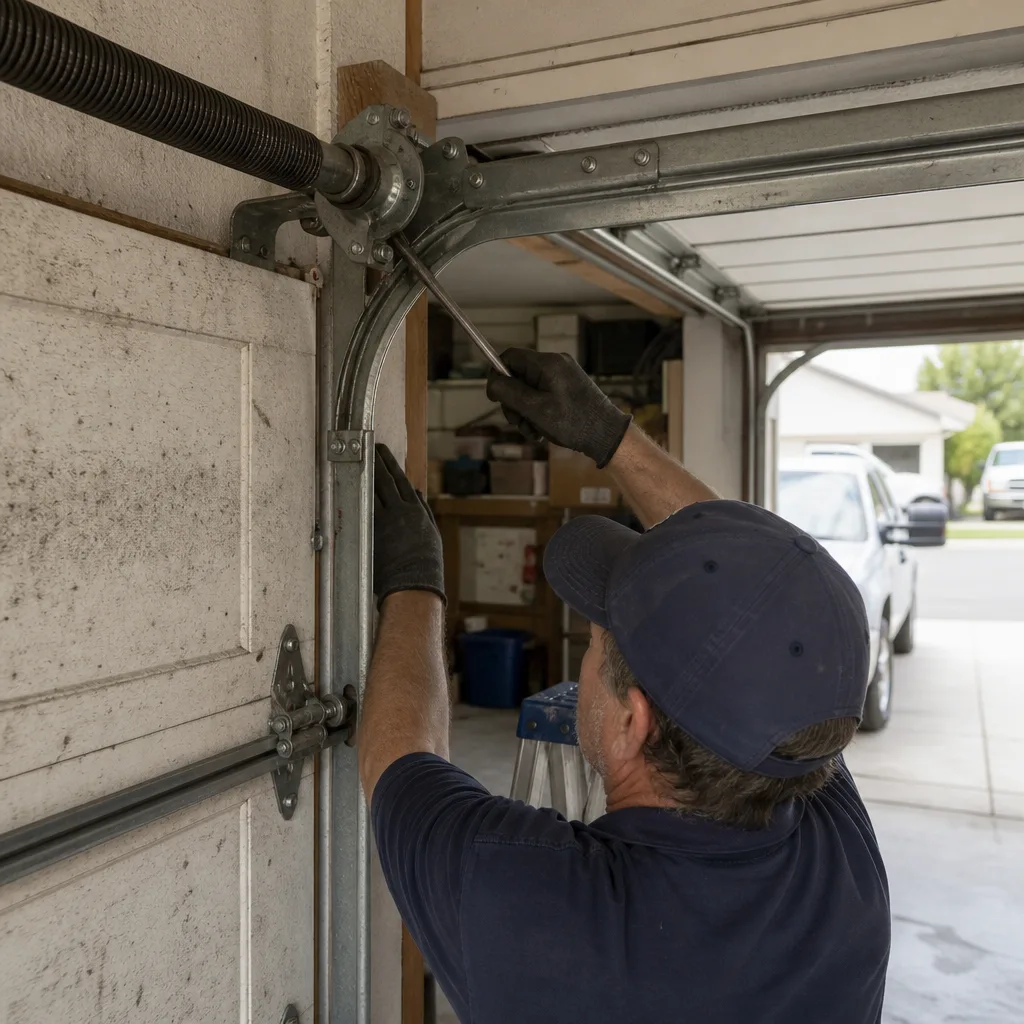 Before
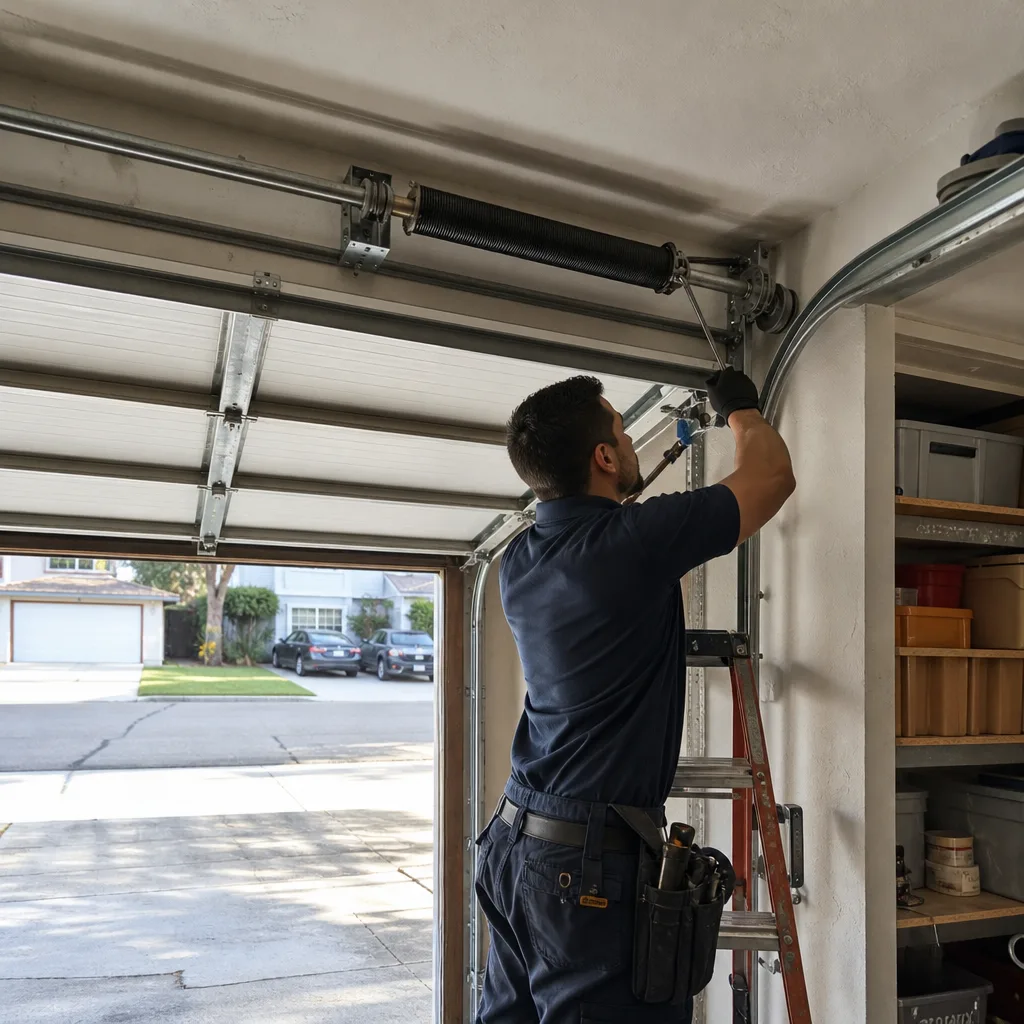 After
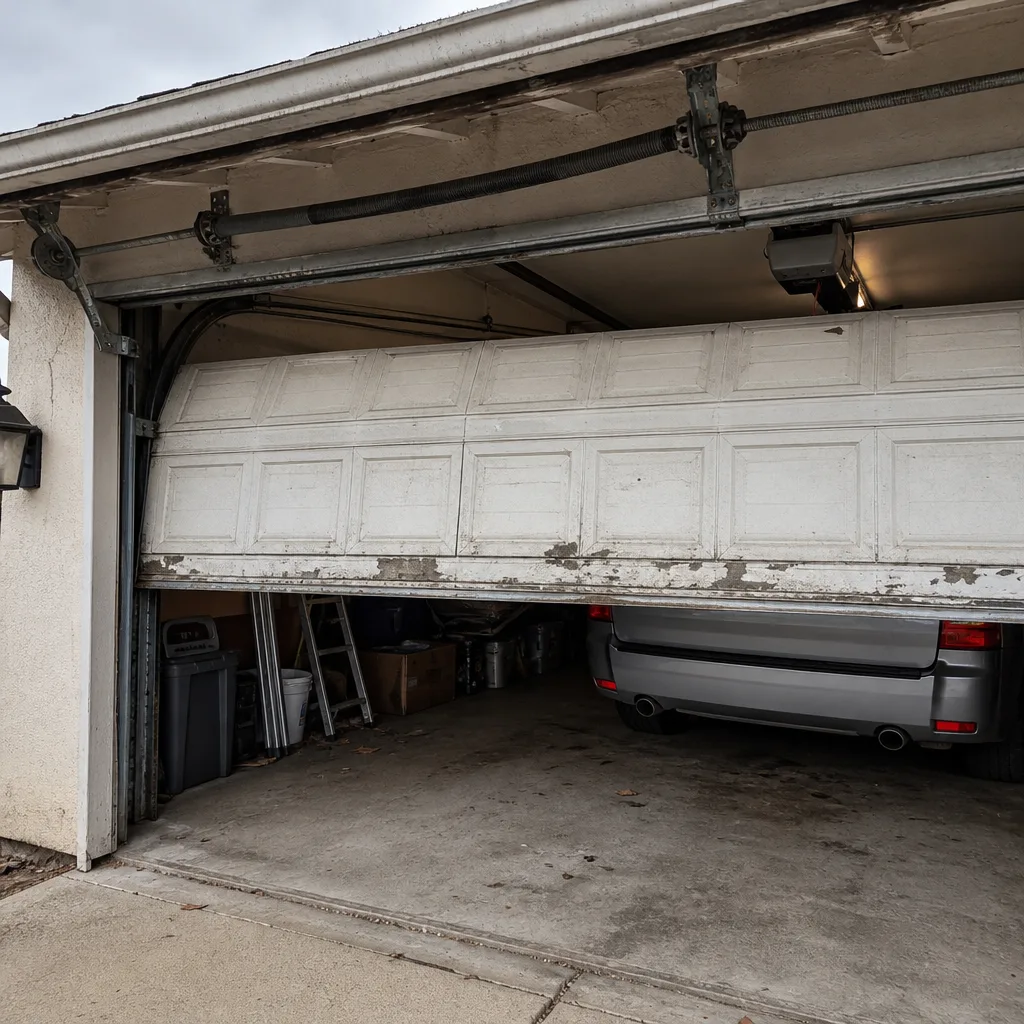 Before
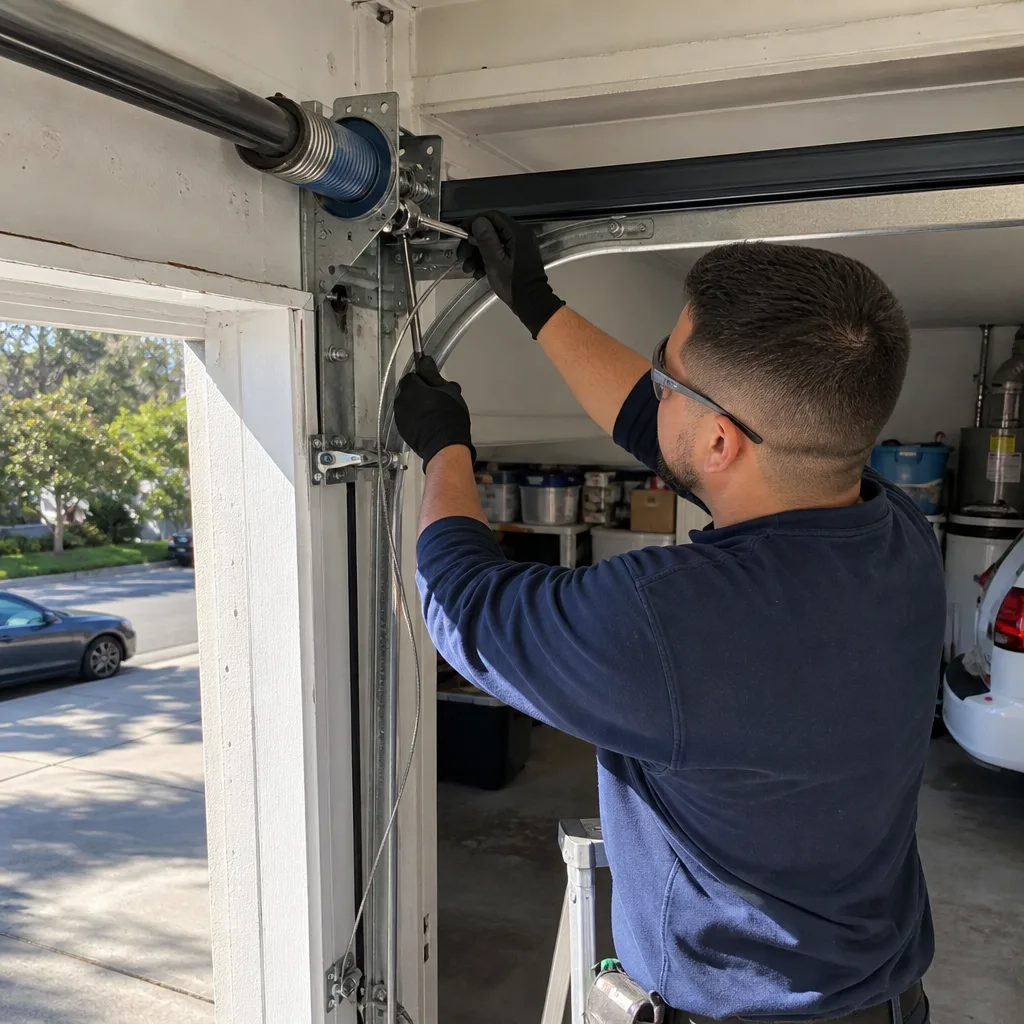 After
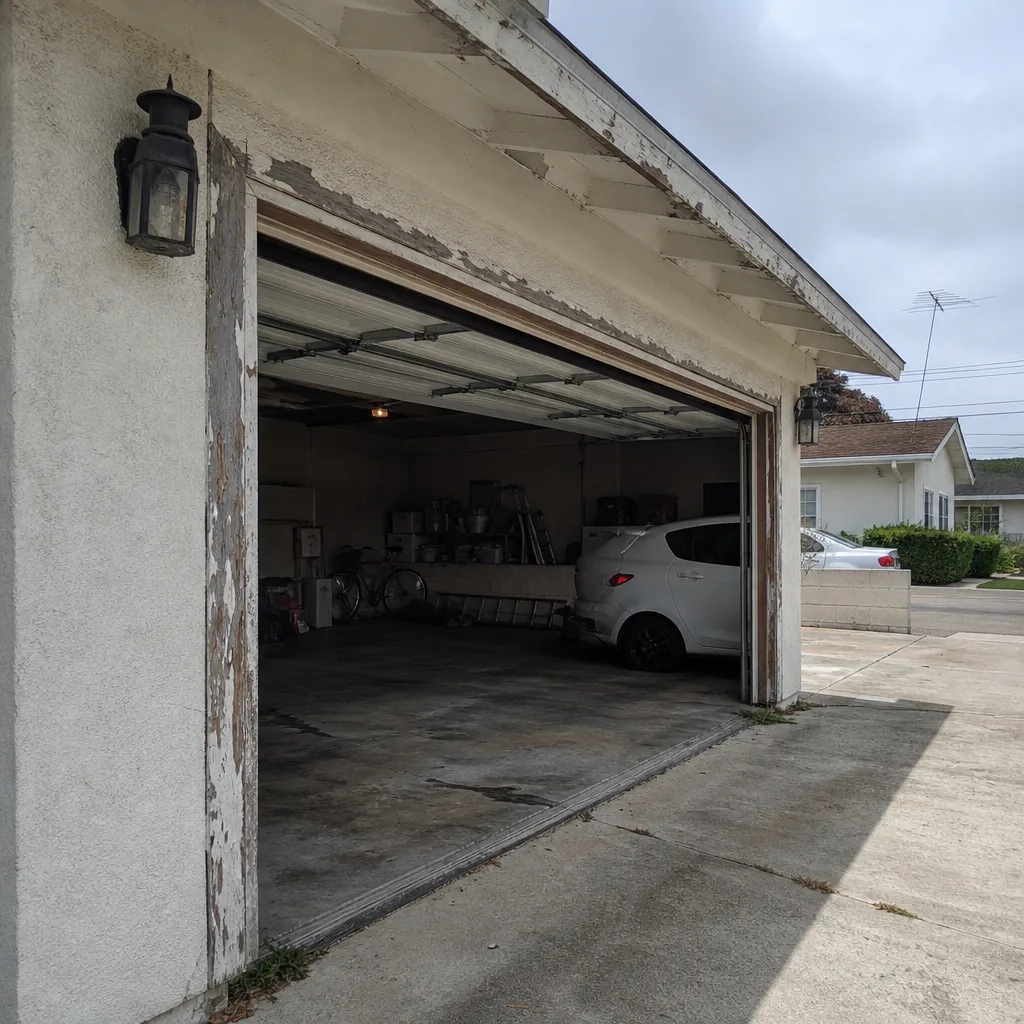 Before
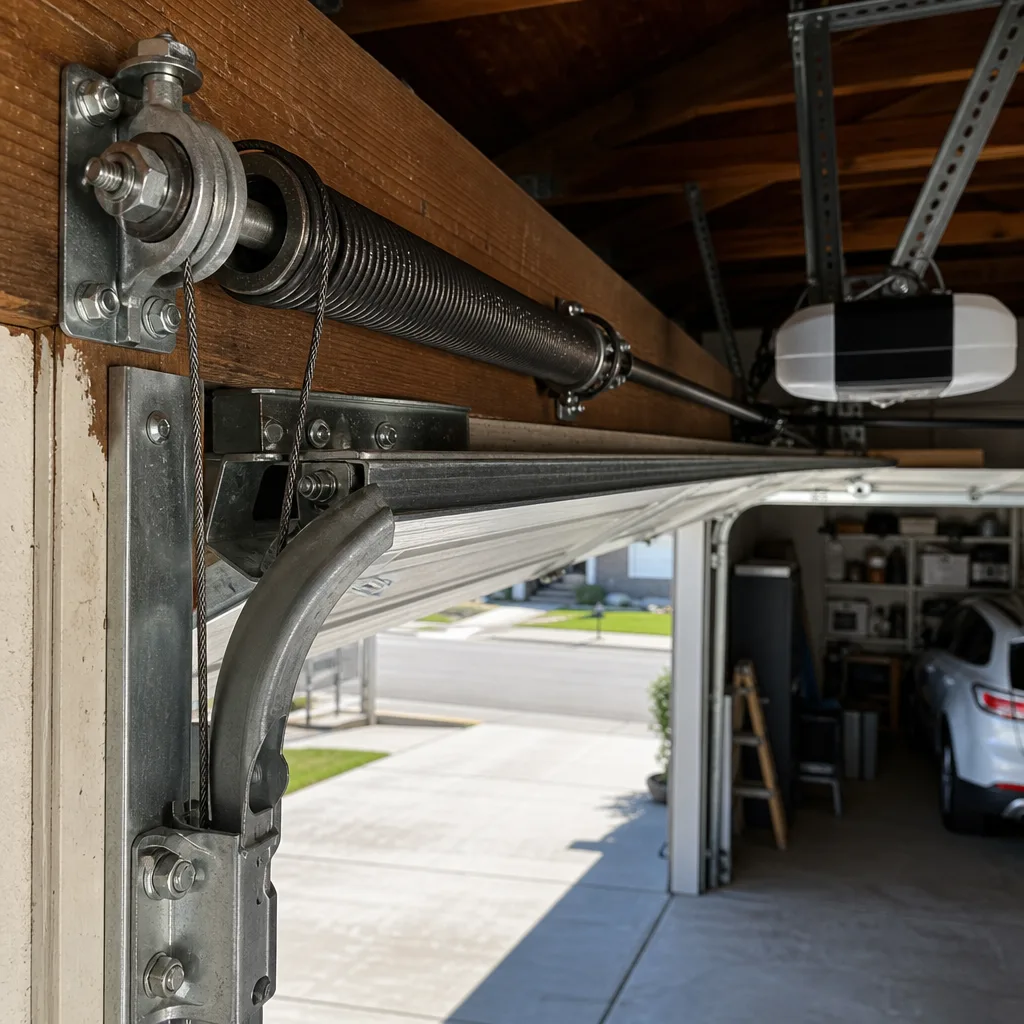 After